- Category
- World
Russia Assembles Massive Arctic Tanker Fleet to Push Record Oil Shipments via Northern Sea Route
 Prefer U24 Media on Google
- Authors

-c439b7bd9030ecf9d5a4287dc361ba31.jpg "Photo of Katherina Popilnichenko")
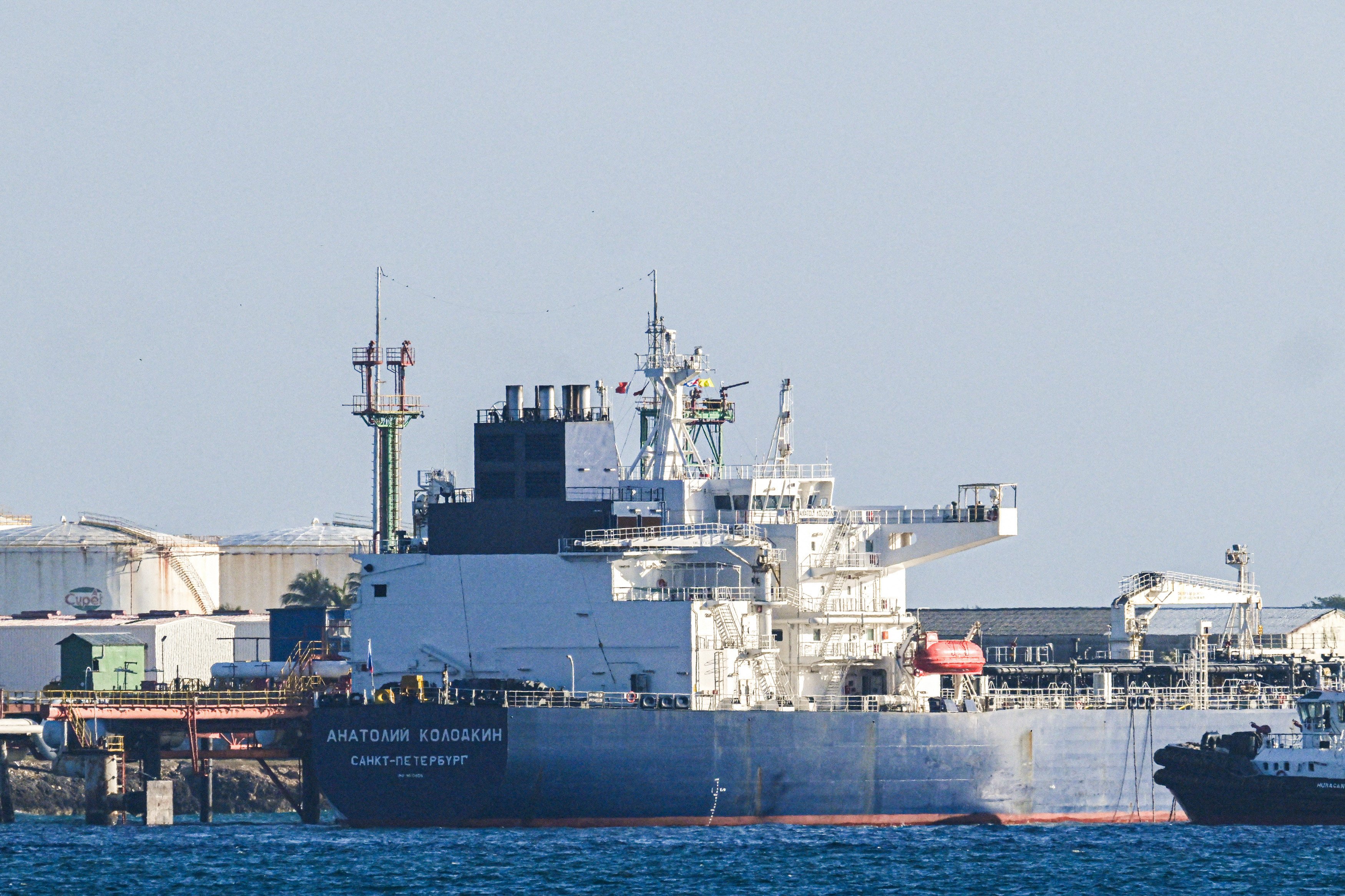
Russia has assembled an unprecedentedly large fleet of tankers, which have either begun or are preparing to transport nearly 8 million barrels of crude oil through the Northern Sea Route (NSR).
This volume represents approximately 60% of all oil delivered through the Arctic to Asian markets during the entire summer-autumn navigation season last year, according to The Moscow Times on August 3.
We bring you stories from the ground. Your support keeps our team in the field.
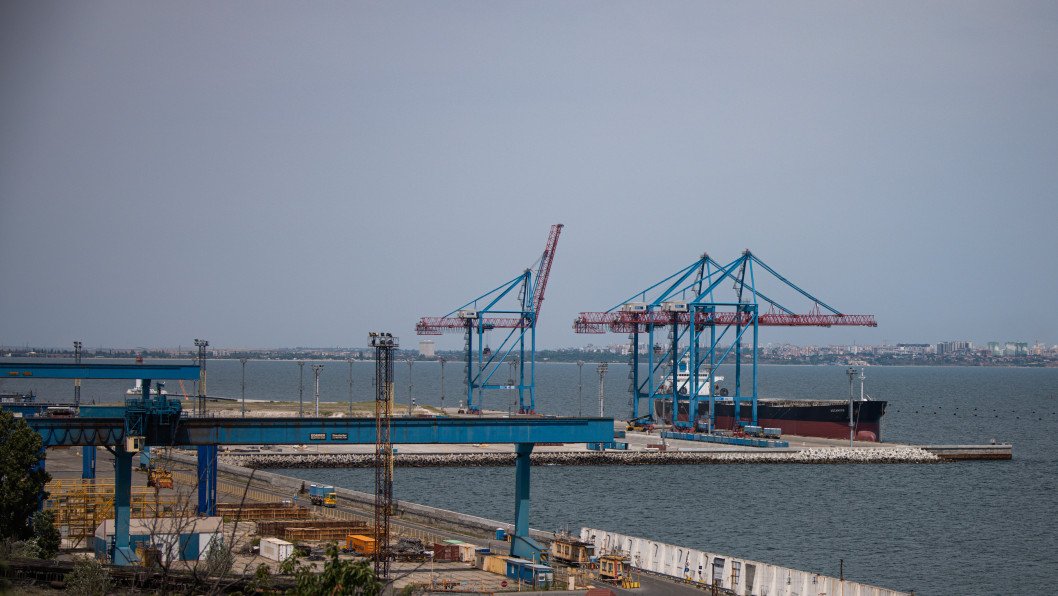
As Ukrainian drones strike Russian shipping in the Black and Azov Seas and Western authorities seize shadow fleet vessels, the Arctic passage is taking on critical strategic importance for Moscow’s hydrocarbon exports.
Around 15 oil tankers were either navigating the NSR or waiting in the Kara Sea, located between the Novaya Zemlya archipelago and the Taimyr Peninsula. Most of these ships were holding position, likely awaiting nuclear icebreaker escorts or improved ice conditions to proceed eastward.
Currently, three tankers are actively traversing the NSR, with one nearing the end of its Arctic transit. Two additional vessels are traveling northward from the west through the Norwegian and Barents Seas. To facilitate their passage, three nuclear-powered icebreakers have been assigned to escort the fleet.
Throughout the entirety of last year, approximately 13.1 million barrels of crude oil were shipped via the NSR. The massive volume prepared for transit at the very start of this year’s most accessible navigation window underlines the growing reliance on the Arctic passage as security and geopolitical risks intensify along traditional maritime trade routes.
The summer-autumn navigation season generally spans from late June to early November, with sea ice reaching its thinnest levels in late September.
During this period, tankers can navigate the NSR independently or rely on icebreaker assistance through challenging sections. However, a shortage of ice-class tankers capable of operating in the Arctic without support remains a major bottleneck for northern delivery expansion.
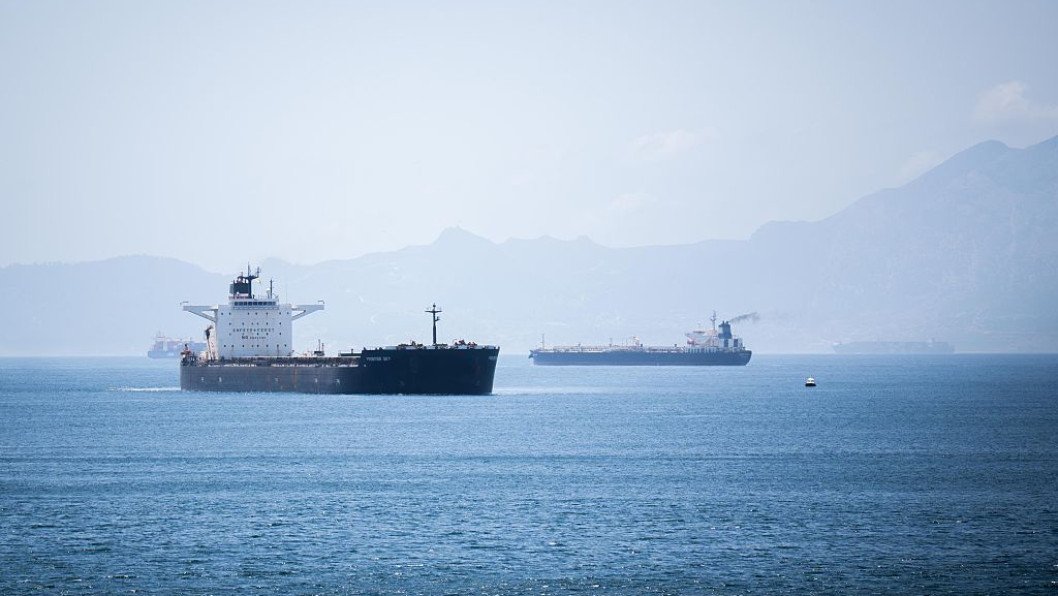
Russia built a parallel maritime infrastructure across the Middle East and Africa to circumvent historic Western sanctions and maintain its lucrative oil exports.
Moscow systematically exploited weak jurisdictions by transferring hundreds of shadow fleet tankers to African "flags of convenience ," including those of Gabon, Guinea-Bissau, Gambia, and Sierra Leone.
To further obscure ownership and obscure sanctioned vessels, the administration of these registries and vessel operations was frequently delegated to intermediary firms based in third-party countries such as the United Arab Emirates and Türkiye.
Discuss this article:




-111f0e5095e02c02446ffed57bfb0ab1.jpeg "Photo of Roman Kohanets")