- Category
- World
Russia May Be Developing Orbital Nuclear Weapon, German Space Commander Says
 Prefer U24 Media on Google
- Authors


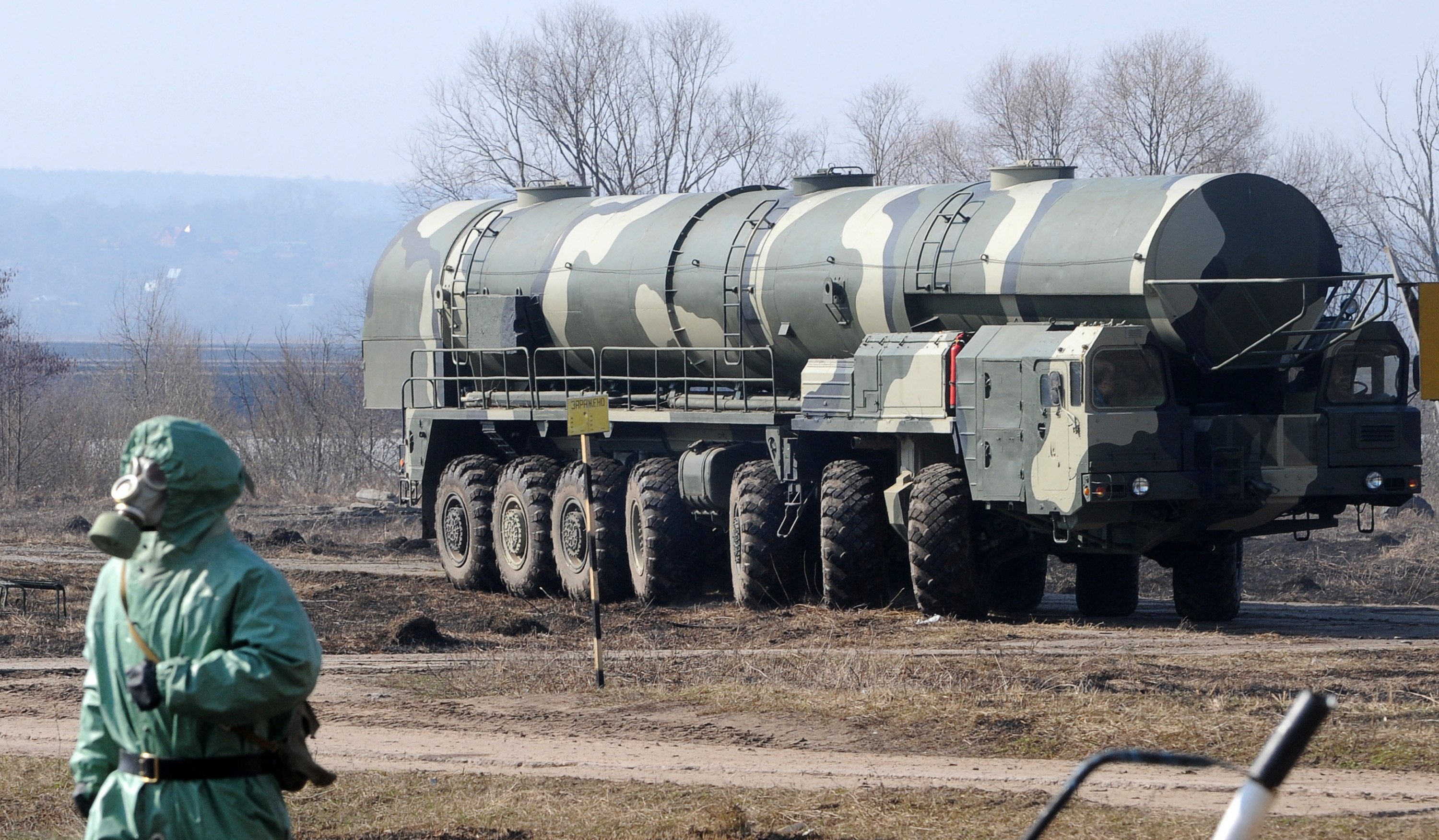
Germany’s top military space official has said Russia may be working on technology capable of placing a nuclear device in orbit, warning that such a scenario could severely disrupt satellite-dependent infrastructure and military systems worldwide.
We bring you stories from the ground. Your support keeps our team in the field.
According to Politico on June 13, Major General Michael Traut, commander of Germany’s Space Command, said he could not rule out the possibility that Moscow is pursuing such capabilities as part of a potential future escalation.
“At the very top of the escalation ladder, there is a suspicion that Russia may be working on technology to place a nuclear explosive device into orbit,” Traut said in an interview with Politico. When asked whether he considers such a scenario realistic, Traut responded: “I cannot exclude it.”
-689076dcf5f357589547d1dbf6facd41.png)
According to Politico, Traut said the consequences of a nuclear detonation in space would differ significantly from a conventional nuclear strike on Earth but could have far-reaching effects on modern societies that rely on satellites for communications, navigation, banking services, transportation, weather forecasting, and military operations.
The German commander pointed to the United States’ Starfish Prime nuclear test conducted in 1962 as an example of how a high-altitude nuclear explosion can affect satellites and space infrastructure. According to Politico, Traut warned that a similar event today could disable up to one-third of all satellites operating in low Earth orbit over the following weeks and months.
He also said such an incident could worsen the growing problem of space debris and increase the risk of cascading collisions known as the Kessler syndrome.
“It is entirely possible that certain orbital altitudes would no longer be usable for decades,” Traut told Politico.
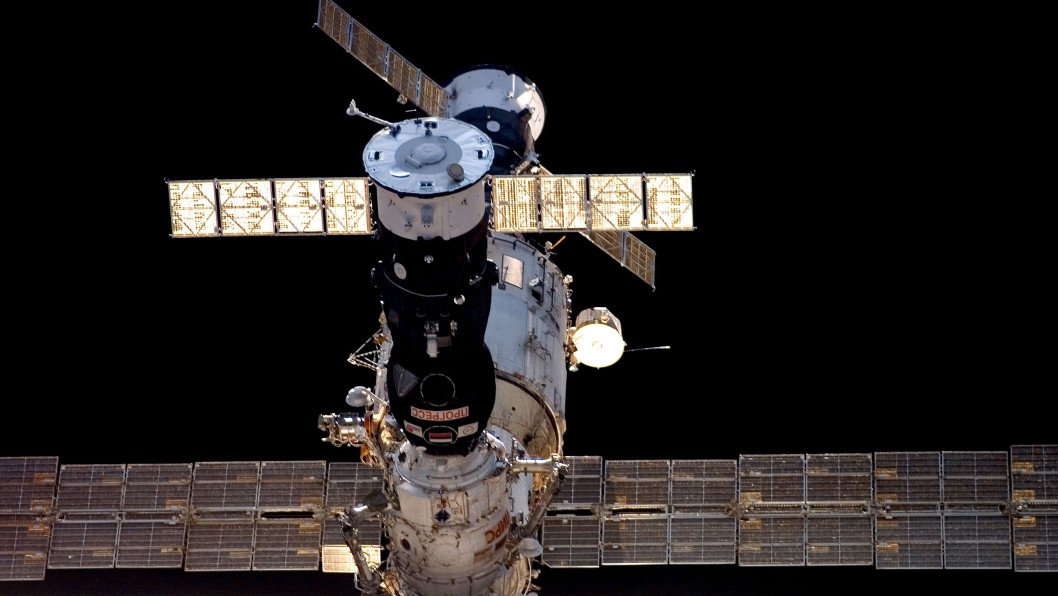
The interview comes amid growing concerns among Western governments about threats to space-based systems. According to Politico, Traut said space-related risks have expanded in recent years, ranging from GPS jamming and laser interference to direct attacks on satellites.
“The best example is GPS jamming in the Baltic region,” Traut said, adding that the disruptions affect both civilian aviation and maritime traffic.
Earlier, a joint investigation by German broadcasters WDR and NDR, citing NATO intelligence assessments, reported that Russia may be developing a classified project known as Skif, aimed at placing nuclear-capable missile systems on the Arctic Ocean seabed.
The alleged system would allow missiles hidden in underwater silos or containers to remain dormant for extended periods before being activated remotely, potentially circumventing international restrictions under the 1971 Seabed Arms Control Treaty.
Discuss this article:
-9a7b3a98ed5c506e0b77a6663f5727c5.png)


-c439b7bd9030ecf9d5a4287dc361ba31.jpg "Photo of Katherina Popilnichenko")