- Category
- World
Russia Misses Unmanned Systems Specialist Training Target by Nearly 75%
 Prefer U24 Media on Google
- Authors

-111f0e5095e02c02446ffed57bfb0ab1.jpeg "Photo of Roman Kohanets")
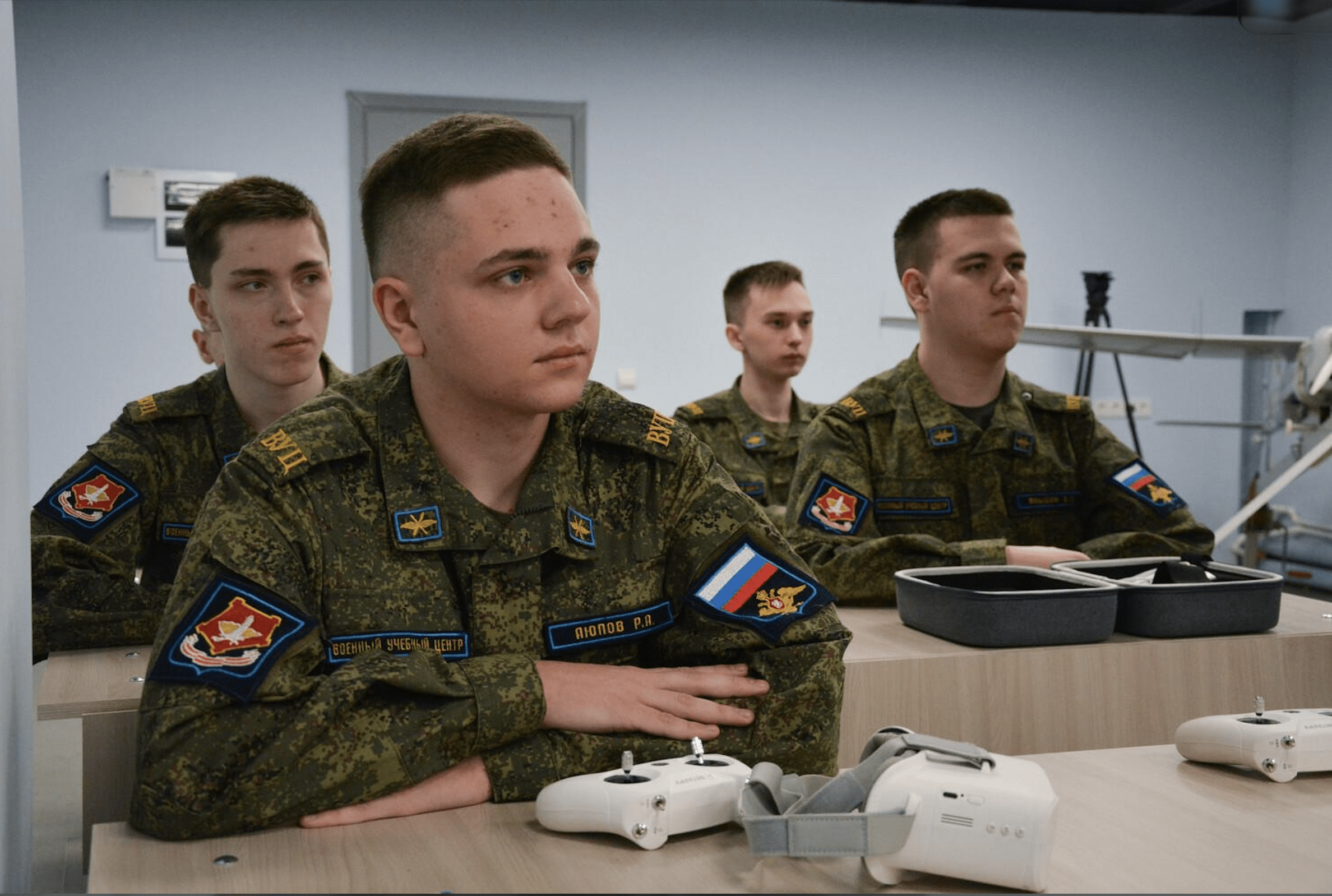
Russia missed its target for training unmanned-systems specialists by roughly three-quarters during the first half of 2026.
The assessment came from analysts at the Conflict Intelligence Team on June 21. They calculated that Russia prepared about 8,000 specialists for its unmanned systems forces in the first six months of the year, roughly a quarter of the 34,400 the plan required.
We bring you stories from the ground. Your support keeps our team in the field.
For all of 2026, the Russian military intended to bring 78,800 people into the unmanned systems forces. Of those, 58,000 were to come from students, graduates of DOSAAF drone-piloting courses, former aviation personnel, and women with relevant training.
Another 10,800 were to be drawn by converting conscripts to contract service, with 10,000 more transferred from existing units.
Because personnel from other units might already possess the required skills, roughly 68,800 recruits required fresh training. An even annual pace would have delivered about 34,400 trained specialists by mid-year.
On July 17, at a meeting of the Russian Defense Ministry's board, Deputy Minister Alexei Krivoruchko stated that more than 8,000 specialists had been trained for the unmanned systems forces in the first half of the year. That output amounted to about a quarter of the calculated requirement.
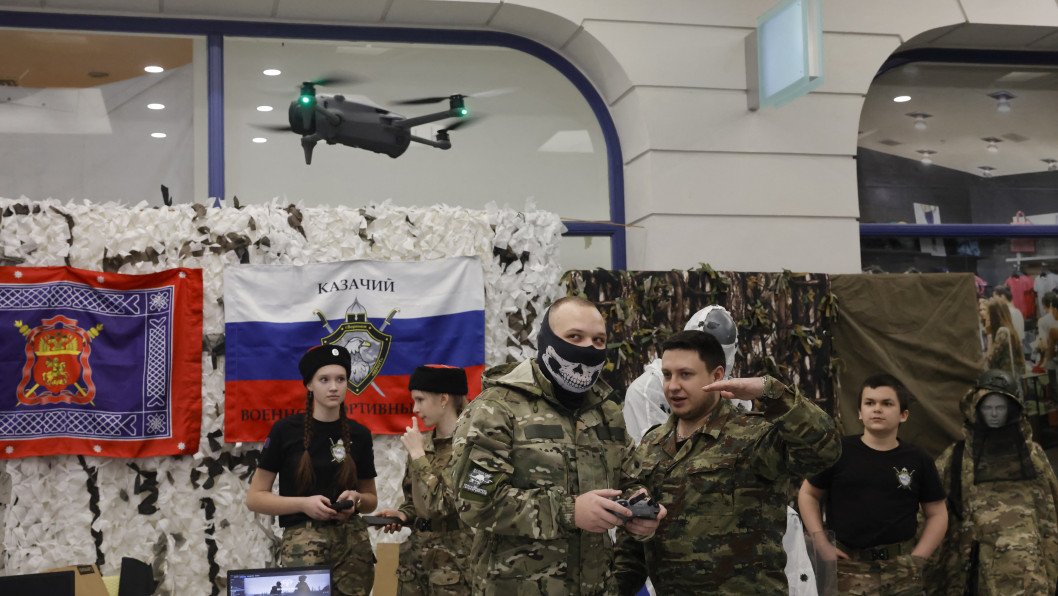
At the end of June, it emerged that Russian students who signed "special" drone-operator contracts were being granted the status of ordinary servicemen. That opened the way for commanders to reassign them, including to assault operations.
Russian military lawyer Sergei Mamontov, whom relatives of affected students repeatedly contacted, reported that recruits expecting drone operator training were instead sent to firing ranges and then into assaults.
In May, journalists documented the first known death of a student recruited into the unmanned systems forces. Valery Averin, a 23-year-old from Buryatia, died in the Luhansk region on April 6, days after reaching the front. He had signed his contract with the Russian Defense Ministry in early January and trained as a drone operator.
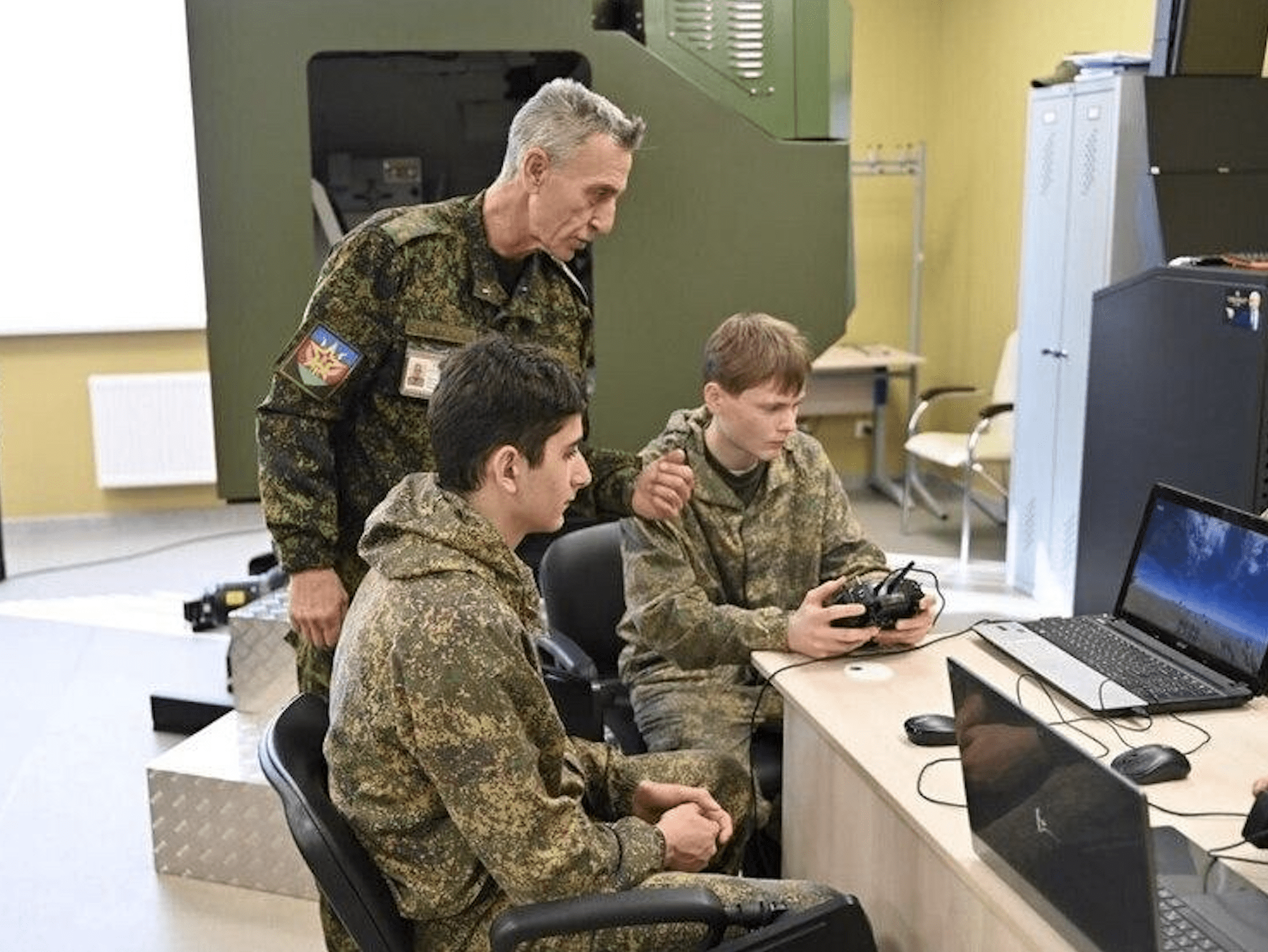
This dependence on volunteer contracts has become a recurring weakness across the Russian force. Nationwide contract recruitment fell by roughly a third this spring, and daily sign-ups dropped to about 800 in the first quarter of 2026, the lowest rate in three years.
In Moscow, 1,708 contract soldiers reached the front in April and 1,378 in May, roughly a thousand fewer each month than a year earlier
Some units now stand at 30 to 40 percent of strength, and in mid-June, authorities staged mass round-ups of draft-eligible men in Penza, manning checkpoints to press those detained into signing contracts.
Discuss this article:
-9a7b3a98ed5c506e0b77a6663f5727c5.png)




-c439b7bd9030ecf9d5a4287dc361ba31.jpg "Photo of Katherina Popilnichenko")