- Category
- World
Kremlin Runs Out of Volunteers, Reportedly Forcing Officials to Plan Unpopular Autumn Mobilization
 Prefer U24 Media on Google
- Authors

-c439b7bd9030ecf9d5a4287dc361ba31.jpg "Photo of Katherina Popilnichenko")
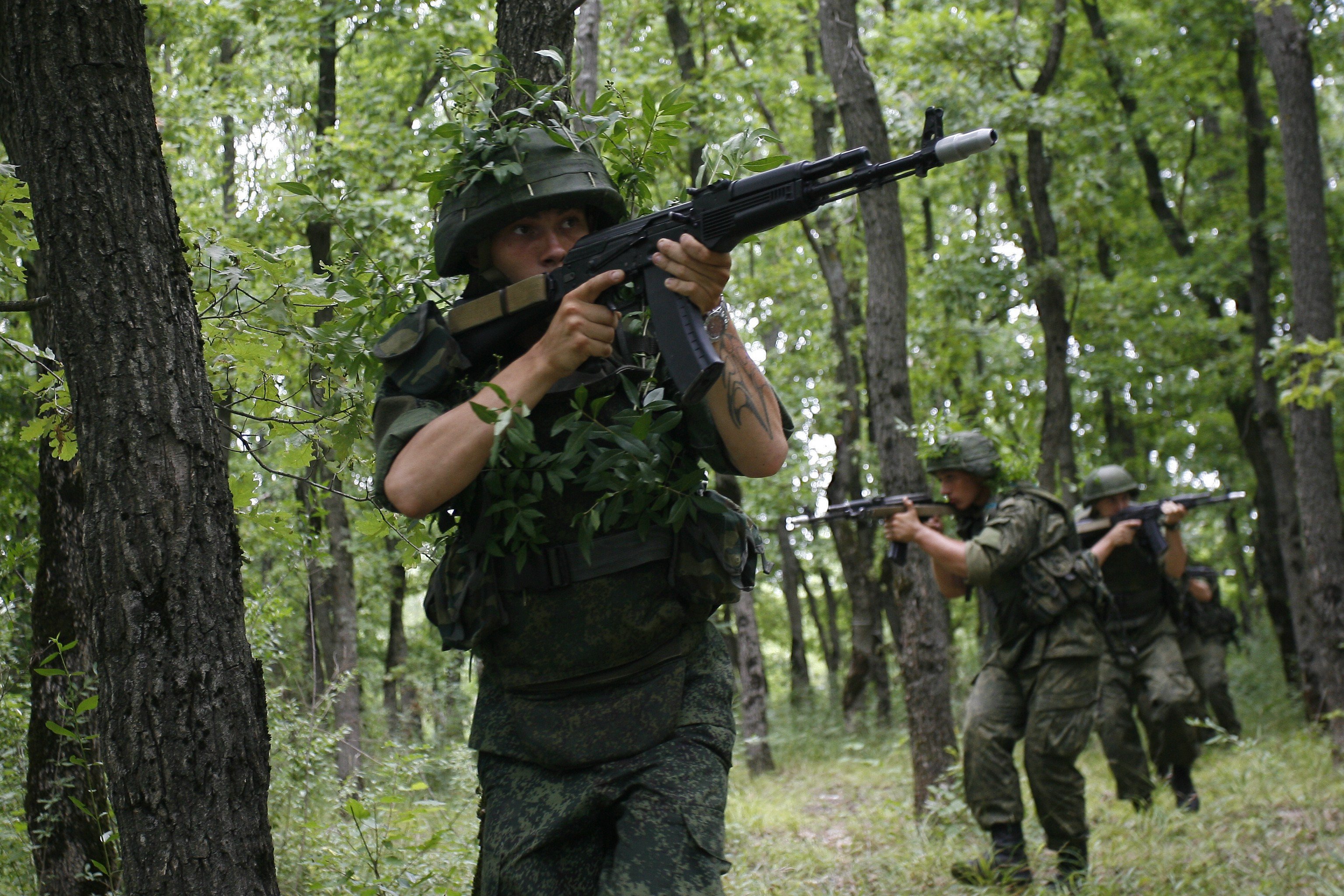
Russian authorities are actively debating a potential new wave of military mobilization for October 2026, driven by a sharp drop in voluntary contract enlistments.
Contract recruitment across Russia plummeted by 50% in the final quarter of 2025 compared to the same period in 2024, according to Meduza on June 24.
We bring you stories from the ground. Your support keeps our team in the field.
This downward trend persisted into early 2026, with an estimated average of only 800 new contracts signed daily in the first quarter—the lowest recruitment rate recorded in three years.
While regional financial incentives briefly pushed this figure to approximately 1,000 contracts per day in the second quarter of 2026, the overall intake remains insufficient to meet the military’s ongoing needs.
Internal discussions regarding a future mobilization are currently taking place across multiple levels of the Russian government. Officials eyeing the period immediately following the upcoming State Duma elections.
Military commanders on the ground report that the current reliance on alternative recruitment methods is yielding poor results. To maintain numbers, regional draft offices are increasingly dependent on processing detained individuals, offering to drop criminal charges in exchange for military service.
Servicemen report that these new recruits are frequently older, physically unfit, and prone to desertion, describing them as "a burden for everyone" who "can't even walk in gear."
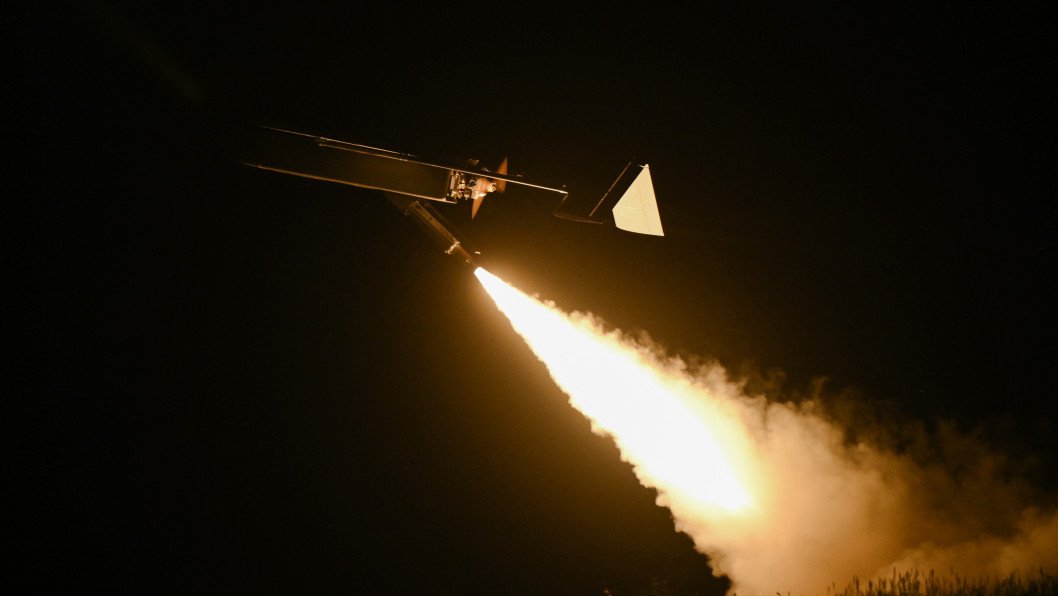
To counter these shortages, the Kremlin has intensified public campaigns and increased financial bonuses. Authorities have also used misleading tactics, such as offering young students short-term contracts in specialized drone units that legally bind them to indefinite service.
While some officials favor a less disruptive plan—such as moving existing reserve personnel from logistical roles to active combat zones—the expectation of a broader draft remains high.
Previously, the Kremlin had issued strict regional directives to increase the enrollment of contract soldiers, prompting local authorities who failed to meet their assigned quotas to intensify the operations of military enlistment offices and security services.
Those most affected included individuals with significant debts listed in enforcement databases and former prisoners under administrative supervision, who were being detained on a large scale and coerced into signing contracts with the Russian armed forces.
Discuss this article:




-111f0e5095e02c02446ffed57bfb0ab1.jpeg "Photo of Roman Kohanets")