- Category
- World
Russia Prepares Sea-Launched Drone Attacks on Mediterranean NATO
 Prefer U24 Media on Google
- Authors


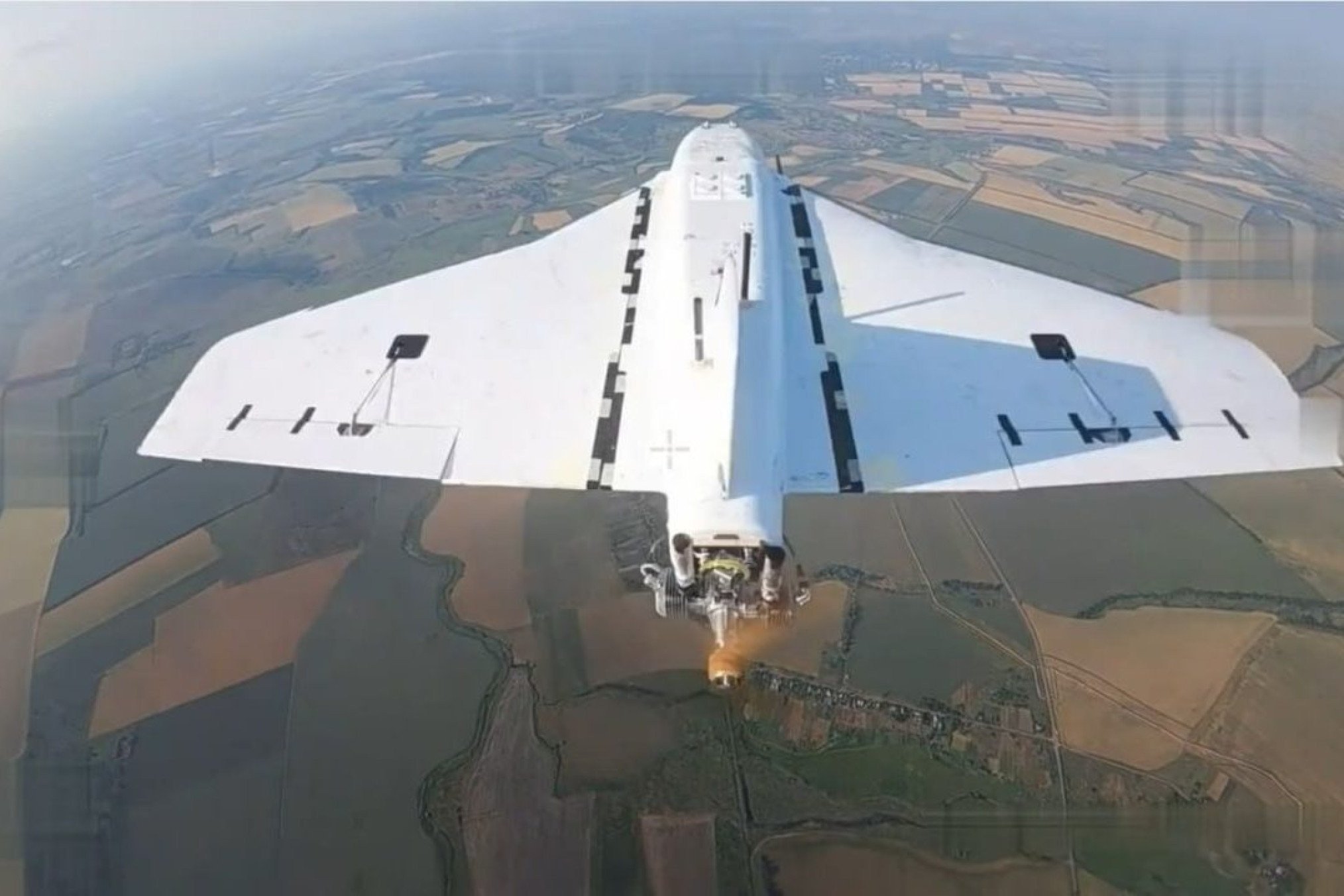
Russia is preparing a new wave of drone operations in Europe that could target Mediterranean countries, with Spain, France, and Italy among the states potentially at risk, El Mundo reported on September 23, citing intelligence information and sources familiar with the warning.
According to the Spanish newspaper, US intelligence services have gathered information about alleged Kremlin plans for further escalation and shared it with several European governments.
We bring you stories from the ground. Your support keeps our team in the field.
“They will use drones concealed inside shipping containers and launched from the sea; it is not difficult at all,” said a source close to Lithuania’s Ministry of Defense, who spoke on condition of anonymity.
According to El Mundo, the governments of Spain, France, and Italy have been informed about the reported plans.
Until now, Russia has largely remained below the level of direct military confrontation, avoiding actions that could prompt a coordinated response from NATO, while European governments have accused Moscow of involvement in sabotage and other hybrid activities.
Russia plans to target Italy, Spain and France with attack drones launched from "shadow fleet" vessels.
— SPRAVDI — Stratcom Centre (@StratcomCentre) September 24, 2026
According to Spanish media, US intelligence has warned Spain, France and Italy of a potential Russian operation involving drones concealed aboard merchant vessels and launched… pic.twitter.com/u9vAEHhozK
According to the outlet, Lithuanian authorities believe Russia could use Gerbera drones in potential operations against Mediterranean countries. The drone is approximately two meters long, has a wingspan of about 2.5 meters, weighs up to 18 kilograms, and can reach speeds of around 160 kilometers per hour, according to the report.
Its maximum reported range is approximately 600 kilometers, although the actual distance depends on factors including payload and weather conditions. El Mundo reported that commercial vessels could potentially carry several Gerbera drones, which are easier to launch than larger Shahed or Geran-type attack drones.
If launched from a vessel positioned 200 to 300 kilometers offshore, a Gerbera could reach the coast in roughly one hour and 15 minutes to two hours, depending on its speed. While its relatively small payload would limit the scale of physical destruction, the report said such a drone could potentially start fires, damage exposed infrastructure, or temporarily disrupt operations at ports or airports.

The reported plans come amid broader concerns over Russian hybrid operations against European countries supporting Ukraine. Russia has generally operated below what security experts describe as the threshold of direct military conflict with NATO, while European governments have accused Moscow of involvement in sabotage and other hybrid activities. El Mundo noted that recent drone incidents have heightened concerns that such operations could be used to test European defenses and gauge NATO countries’ responses.
Concerns over possible further escalation have also been raised elsewhere in Europe. Polish Prime Minister Donald Tusk warned that countries supporting Ukraine, including Poland, could face Russian hybrid attacks involving drones and missiles in the coming months.
Tusk said there was a risk that drones or missiles could enter the territory of one or more NATO countries along the alliance’s eastern flank and potentially cause damage, with such incidents subsequently portrayed as accidental.
Discuss this article:



-72b63a4e0c8c475ad81fe3eed3f63729.jpeg "Photo of Cyril Barabaltchouk")
-9ac2babc22fb5599acef753ff4c50139.jpg "KN-30 ballistic missile launch.")



-206008aed5f329e86c52788e3e423f23.jpg "Photo of Oleksandr Moiseienko")