- Category
- World
Russia Wants FSB Encryption Built Into Every 5G Smartphone—From iPhones to Samsung
 Prefer U24 Media on Google
- Authors


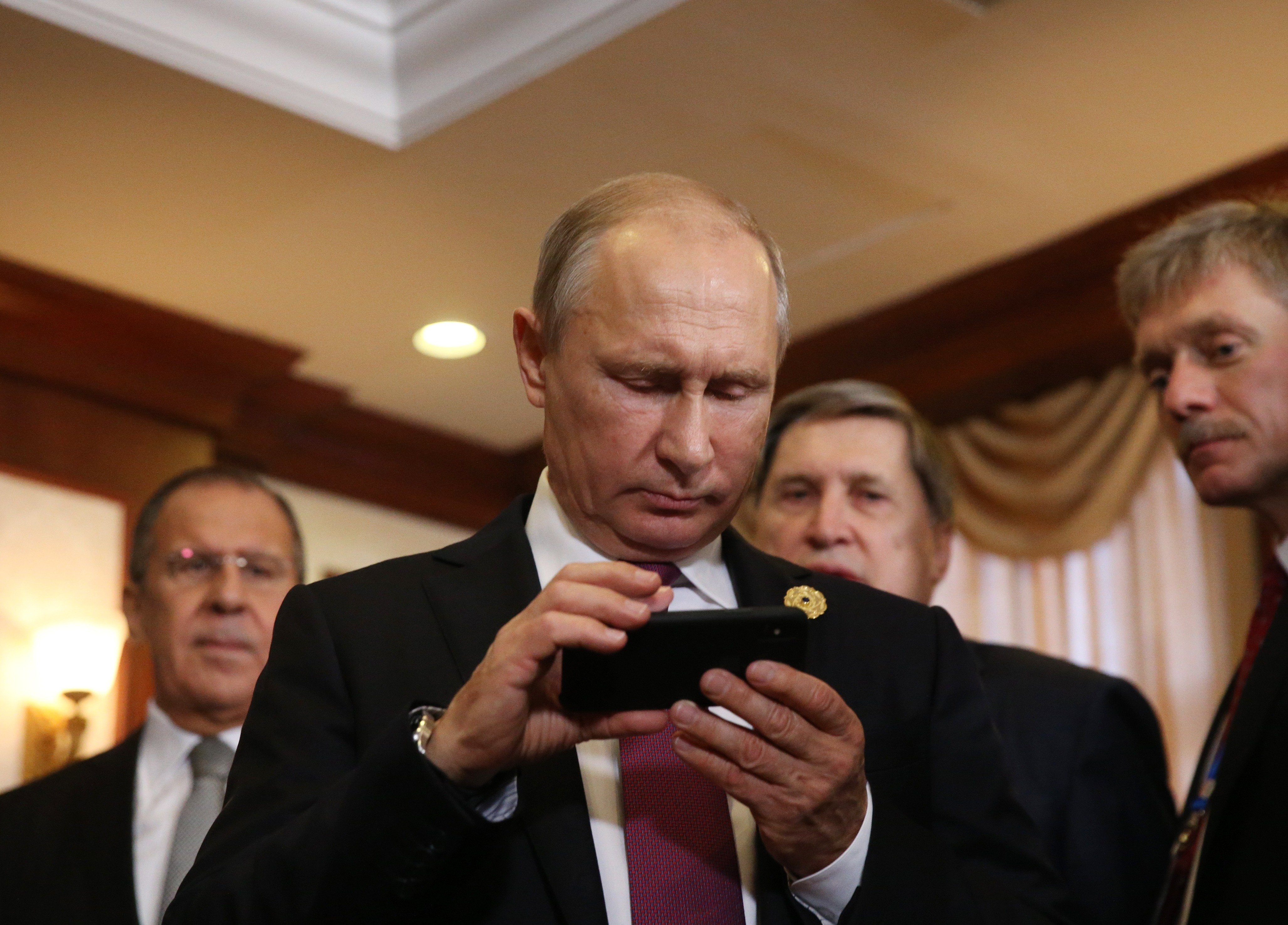
Russia is preparing to require smartphone manufacturers to build an encryption algorithm developed by the FSB directly into devices that use the country’s future 5G networks, a move that could affect virtually every major smartphone brand sold in Russia, including Apple, Samsung, and Chinese manufacturers.
The proposed requirement appears in a draft order from Russia’s Ministry of Digital Development cited by Russian media outlet RBC on October 15.
We bring you stories from the ground. Your support keeps our team in the field.
It would make support for the Russian encryption algorithm known as Kuznyechik mandatory beginning March 1, 2032.
Under the plan, Kuznyechik would be used in 5G networks to encrypt mobile traffic and verify its integrity. Until the 2032 deadline, foreign smartphones that do not support the algorithm would continue operating on Russian 5G networks normally. During that transition period, Russian encryption would only be activated when both the smartphone and the network’s base station support it.
The technical challenge is that mobile-network encryption takes place directly inside a smartphone’s modem chipset. Current foreign devices using Qualcomm and Unisoc hardware do not include Kuznyechik, RBC noted, meaning support cannot simply be added through an ordinary software update or by replacing a SIM card.
-50c64d019d3899de5677f8b898913418.jpg)
For mass-market smartphones, the Russian algorithm would have to be implemented at the modem hardware level. That would require cooperation from chipmakers and device manufacturers, potentially forcing companies to produce Russia-specific hardware or alter future global modem designs.
The task is further complicated by the fact that Kuznyechik is not part of the international 3GPP standards that define how modern mobile networks operate.
Alexei Alyasev, CEO of Russian base-station manufacturer Signaltek, said implementation in smartphones would likely not be technically possible before 2030 and would require significant investment.
Russia’s own telecommunications infrastructure is also only partly ready. Domestically produced base stations can already support Kuznyechik at the software level, according to RBC, but additional modifications would be required to use the algorithm to protect the radio connection between phones and cellular infrastructure. That work could take another one to two years.
Previously, Russia’s Federal Antimonopoly Service (FAS) opened a case against Apple over the company’s failure to enable the preinstallation of two Russian applications—the Max messenger and the RuStore app marketplace —on iPhones and iPads.
Discuss this article:



-72b63a4e0c8c475ad81fe3eed3f63729.jpeg "Photo of Cyril Barabaltchouk")

-111f0e5095e02c02446ffed57bfb0ab1.jpeg "Photo of Roman Kohanets")