- Category
- Latest news
iPhones Pile Up in Russia as Prices Fall and Demand Fades
 Prefer U24 Media on Google
- Authors


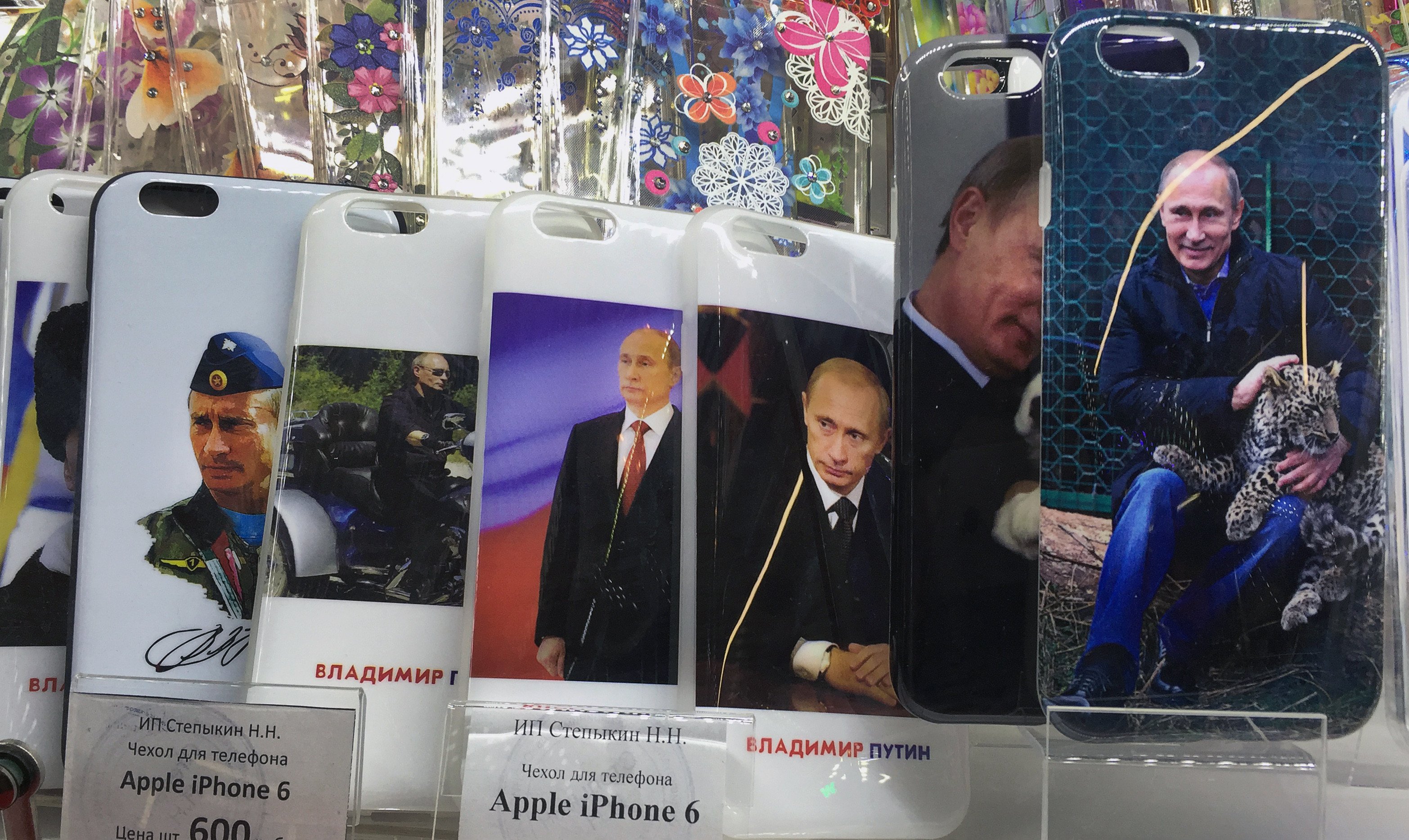
Russia is facing a growing surplus of unsold Apple and Samsung smartphones, as weakening consumer demand forces retailers to cut prices and rethink their sales strategies, market participants told Russian media outlet Izvestia on April 21.
We bring you stories from the ground. Your support keeps our team in the field.
Large electronics chains significantly increased their inventory purchases toward the end of 2025, anticipating stronger demand. Instead, they are now struggling to move stock, particularly at higher price points.
“By late 2025, major retailers had stocked up so heavily on devices that they now can’t sell them—at least not at premium prices,” said Eldar Murtazin, a leading analyst at Mobile Research Group.

As a result, prices have started to decline across the market. According to Russian retailer M.Video, the iPhone 17 has dropped by 25 to 30 percent since the beginning of the year, while older models have seen reductions of 15 to 20 percent.
Samsung devices have also been discounted, with the base Galaxy S26 model down by around 5 percent, the S26+ series falling by 5 to 10 percent, and the S26 Ultra models declining by up to 15 percent.
Other industry estimates suggest average price reductions for Apple and Samsung devices are currently in the range of 8 to 10 percent. Analysts say retailers misjudged consumer demand and are now offering discounts to offload excess inventory.
Apple products normalising genocide - it’s call being a sponsor of war - using opaque and documented parallel supply chains - but make no mistake, they are all thick as thieves.
— Beefeater (@Beefeater_Fella) April 16, 2026
The prices of the iPhone 17 have plummeted to 61,000 rubles. At the beginning of the year, the… pic.twitter.com/kE9hGVIe5F
Demand has also cooled following the peak holiday season. “After the New Year and holiday promotions, demand traditionally slows,” a representative of Fplus explained.
“At the same time, consumers’ purchasing power is declining, and the second quarter is typically a low season for electronics sales,” he said.
Retailers are under pressure to clear inventory quickly, as holding unsold stock ties up capital and increases storage costs.
“The longer goods sit in warehouses, the more resources they consume,” Fplus noted, adding that discounting is a necessary step to free up cash.
-50c64d019d3899de5677f8b898913418.jpg)
Analysts say high-end smartphones are no longer a priority for many consumers, with most early adopters having already made purchases shortly after launch.
As premium models struggle to sell, retailers are expected to shift focus toward more affordable devices, particularly from Chinese manufacturers, in an effort to match current demand.
Earlier, reports emerged that Russia’s supply of luxury goods has been disrupted by the war in Iran, which has hit import routes through the Middle East.
Premium cars, jewelry, accessories, and gadgets had been reaching Russia through Gulf states, especially the United Arab Emirates.
Discuss this article:
-4a56a6b482ec132402c16ef6fcabf9a2.png)