- Category
- World
Russian Airlines Face Superjet Fleet Loss Without State Engine Subsidies
 Prefer U24 Media on Google
- Authors

-72b63a4e0c8c475ad81fe3eed3f63729.jpeg "Photo of Cyril Barabaltchouk")
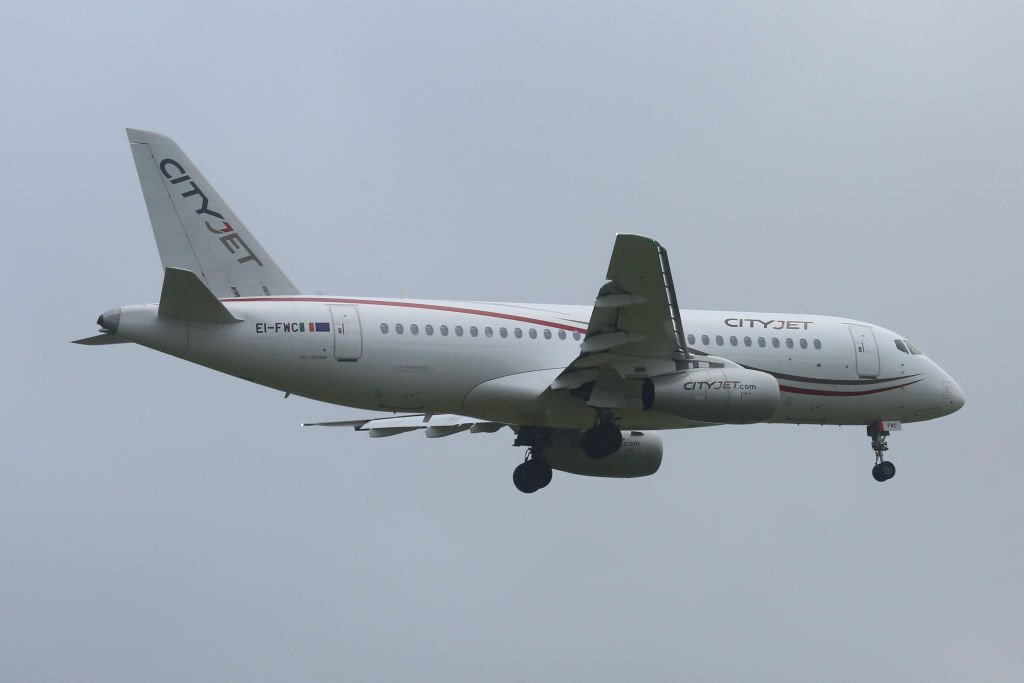
Russian airlines will face a gradual loss of their Sukhoi Superjet 100 (SSJ-100) fleets because they cannot afford to replace the aircraft’s foreign-made engines with domestic ones without significant government subsidies, Aeroflot CEO Sergei Alexandrovsky warned, The Moscow Times reported on September 7.
Speaking to the Russian state media outlet, Alexandrovsky stated that installing the import-substituted engines is only feasible “with certain measures of state support,” The Moscow Times wrote. He cautioned that a lack of government subsidization for the re-engining process would inevitably lead to “a gradual phase-out of the fleet for all companies operating the SSJ-100.”
We bring you stories from the ground. Your support keeps our team in the field.
The struggle to replace domestic engines is part of a larger technical crisis facing Russia’s commercial aviation sector under Western sanctions. Between 2023 and 2025, Russian authorities suspended the operations of over 480 aircraft, nearly half of the country’s entire commercial fleet.
This happened due to severe technical defects and falsified maintenance records. Safety regulators found widespread non-compliance with flight fitness requirements driven by airlines' inability to access authorized repairs and spare parts.
While Alexandrovsky did not specify the exact volume of state funding required, he noted that airlines will be forced to compensate for the retiring planes by redistributing flight hours across their remaining fleets and relying on the introduction of new MS-21 aircraft, according to The Moscow Times.
The financial and economic viability of re-engining the SSJ-100 has been a pressing crisis for the Russian aviation industry since 2022. That year, the French aerospace company Safran withdrew from its joint venture with Russia’s United Engine Corporation (UEC), The Moscow Times noted. Safran was previously responsible for manufacturing and servicing the hot section of the Superjet’s original SaM-146 engines.
Industry sources estimated the cost of replacing the SaM-146 engines with Russia’s domestic PD-8 engines at 2.1 to 2.3 billion rubles (24.2$ million to 26.5$ million) per aircraft, The Moscow Times reported.
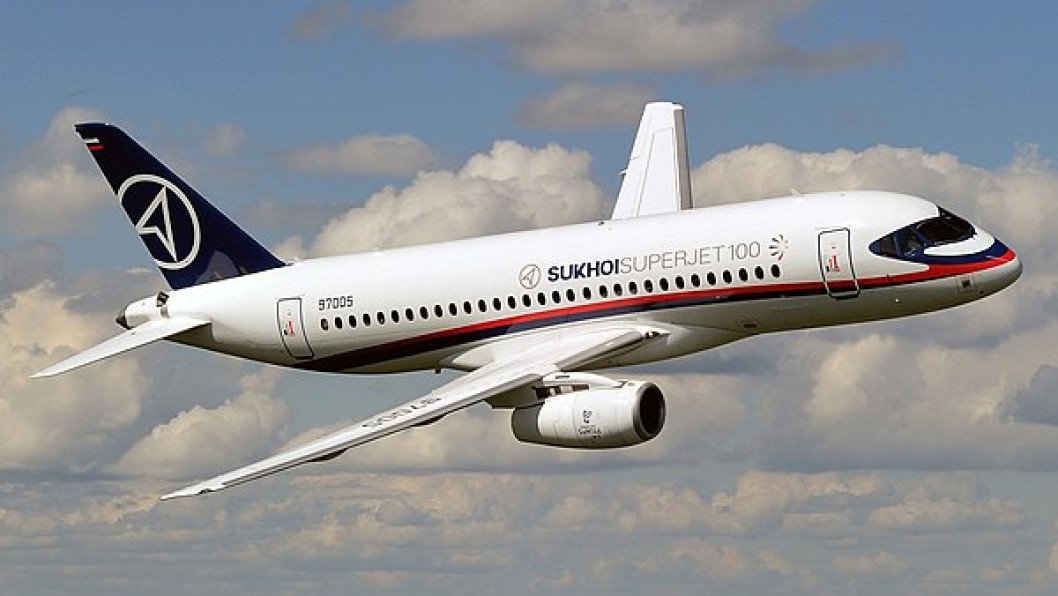
However, some insiders warned that this figure is likely an underestimate, pointing out that the production cost of a single PD-8 already exceeded 1 billion rubles (11.5$ million) in 2024 and has continued to rise. While some hope the price will drop once serial assembly begins, lingering doubts remain over whether UEC can actually manufacture the PD-8 engines in sufficient quantities.
The re-engineering process is also highly complex. According to The Moscow Times, the SSJ-100 manufacturer acknowledged in 2023 that the overhaul requires state support because it involves far more than simply swapping the engines; engineers must also replace engine nacelles and extensively modify wing pylons, the wing box, onboard cable networks, and auxiliary power unit systems.
Due to expiring engine lifespans, UEC previously forecasted the retirement of nearly the entire existing SSJ-100 fleet by 2030, The Moscow Times reported. Russian airlines currently operate around 160 of the aircraft, with 78 flying for Rossiya Airlines, a subsidiary of the Aeroflot Group.
During operator meetings at the United Aircraft Corporation (UAC), industry representatives concluded that it only makes economic sense to replace engines on approximately 50 aircraft due to severe lifespan limitations on other critical components, according to The Moscow Times.

However, UAC head Vadim Badeha later offered a conflicting assessment, claiming that engines could be replaced on 50 to 100 aircraft. Contradicting the Aeroflot CEO’s warnings, Badeha asserted that the cost to airlines would not be prohibitive and that state assistance would not be required.
In a separate legal development regarding Russian aviation, Canada’s Federal Court recently upheld Ottawa’s refusal to lift sanctions against Russian cargo operator Volga-Dnepr Airlines. The ruling maintains the sanctions and serves as a test of Canada’s enforcement framework, which allows for the seizure and forfeiture of sanctioned assets.
The decision keeps Volga-Dnepr’s Antonov An-124 cargo aircraft grounded at Toronto Pearson Airport, where it was seized following the 2022 invasion. The Canadian government has indicated that if the aircraft is permanently forfeited, its value could be redistributed as direct support for Ukraine.
Discuss this article:


-c439b7bd9030ecf9d5a4287dc361ba31.jpg "Photo of Katherina Popilnichenko")