- Category
- World
Russian Ammonium Nitrate Production Falls 9%—Why It Matters for the War Machine
 Prefer U24 Media on Google
- Authors

-111f0e5095e02c02446ffed57bfb0ab1.jpeg "Photo of Roman Kohanets")
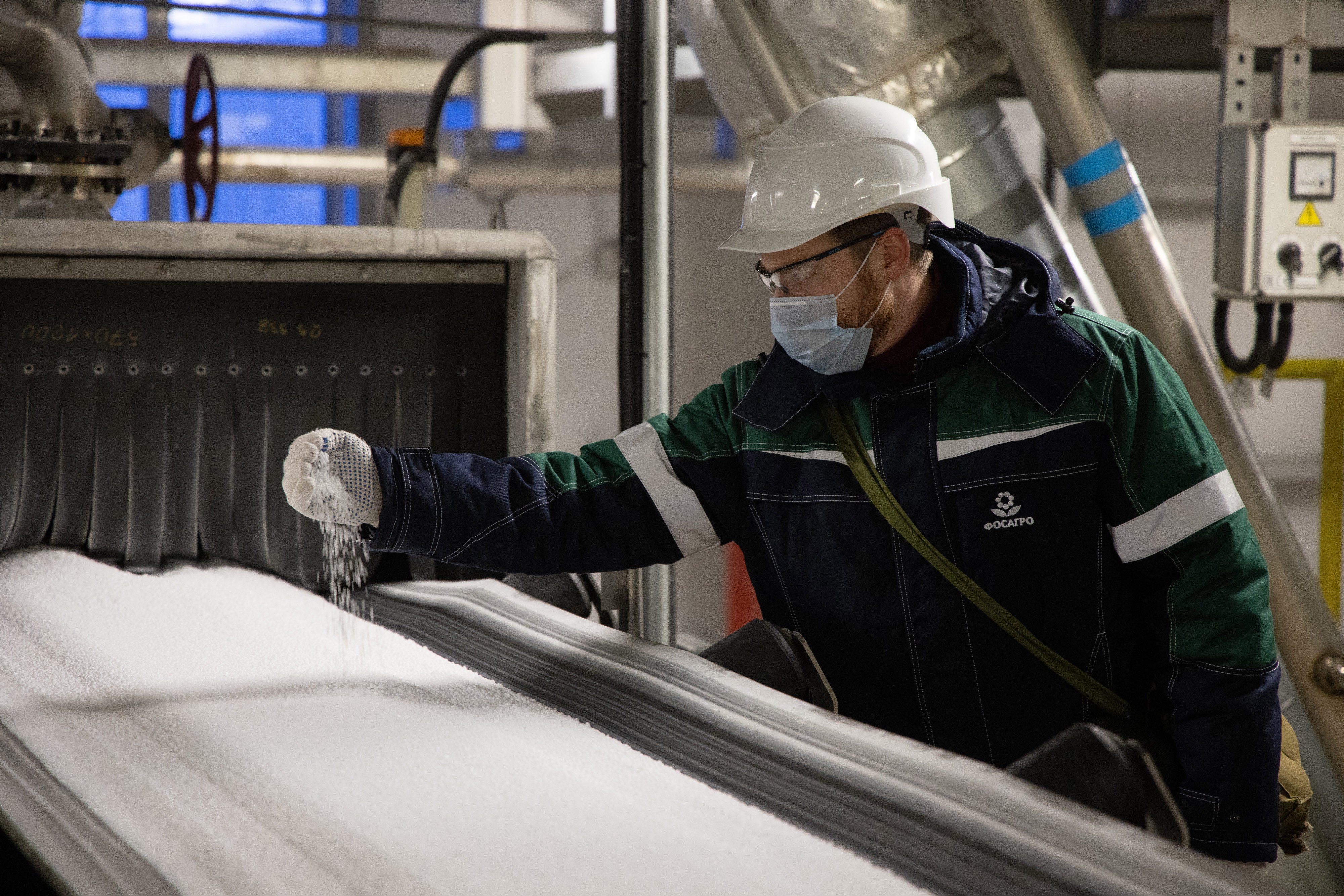
Russia's output of ammonium nitrate, a dual-use chemical feeding both its farms and its weapons plants, has fallen sharply under sustained Ukrainian long-range strikes on the country's chemical sector.
This was reported by Ukraine's Center for Countering Disinformation (CPD) on its official website on July 5.
We bring you stories from the ground. Your support keeps our team in the field.
Citing figures from Russia's state statistics service, Rosstat, the center noted that ammonium nitrate output fell by 9% compared with the same period a year earlier. In May alone, the decline reached 14% year-on-year, the steepest fall Russia has recorded since the start of the year.
Ammonium nitrate is a dual-use product, serving as a vital fertilizer for Russia's agricultural sector while also supplying its military-industrial complex.
Moscow has blamed the collapse in fertilizer output on "unscheduled repairs," a term the center characterized as a euphemism Russian propaganda uses to obscure the damage from Ukrainian strikes, the center added.

Among the recently struck sites is the Azot chemical plant in the Tula region, one of the largest producers of chemical goods for Russia's defense industry.
The center framed the falling chemical output as further evidence of the effectiveness of Ukraine's long-range operations. It emphasized that, despite Russian attempts to downplay the effect of Ukrainian drones, Moscow's own official statistics point to the opposite conclusion.
The Azot plant has become a recurring target of Ukraine's deep-strike campaign, hit again in late June, as residents around Novomoskovsk reported the smell of ammonia and electricity supply interruptions. The facility produces nitrogen fertilizers as well as components used in the manufacture of explosives.
Discuss this article:
-9a7b3a98ed5c506e0b77a6663f5727c5.png)


-a0d157e1f6f04033b54a1b71f05dabe3.jpg "Russia’s Military Is Expanding Across Africa. Suspiciously, So Is Its Church")



-72b63a4e0c8c475ad81fe3eed3f63729.jpeg "Photo of Cyril Barabaltchouk")