- Category
- World
Russian-Linked Saboteurs Tried to Blow Up Ukrainian An-124 at Leipzig Airport, Investigation Finds
 Prefer U24 Media on Google
- Authors


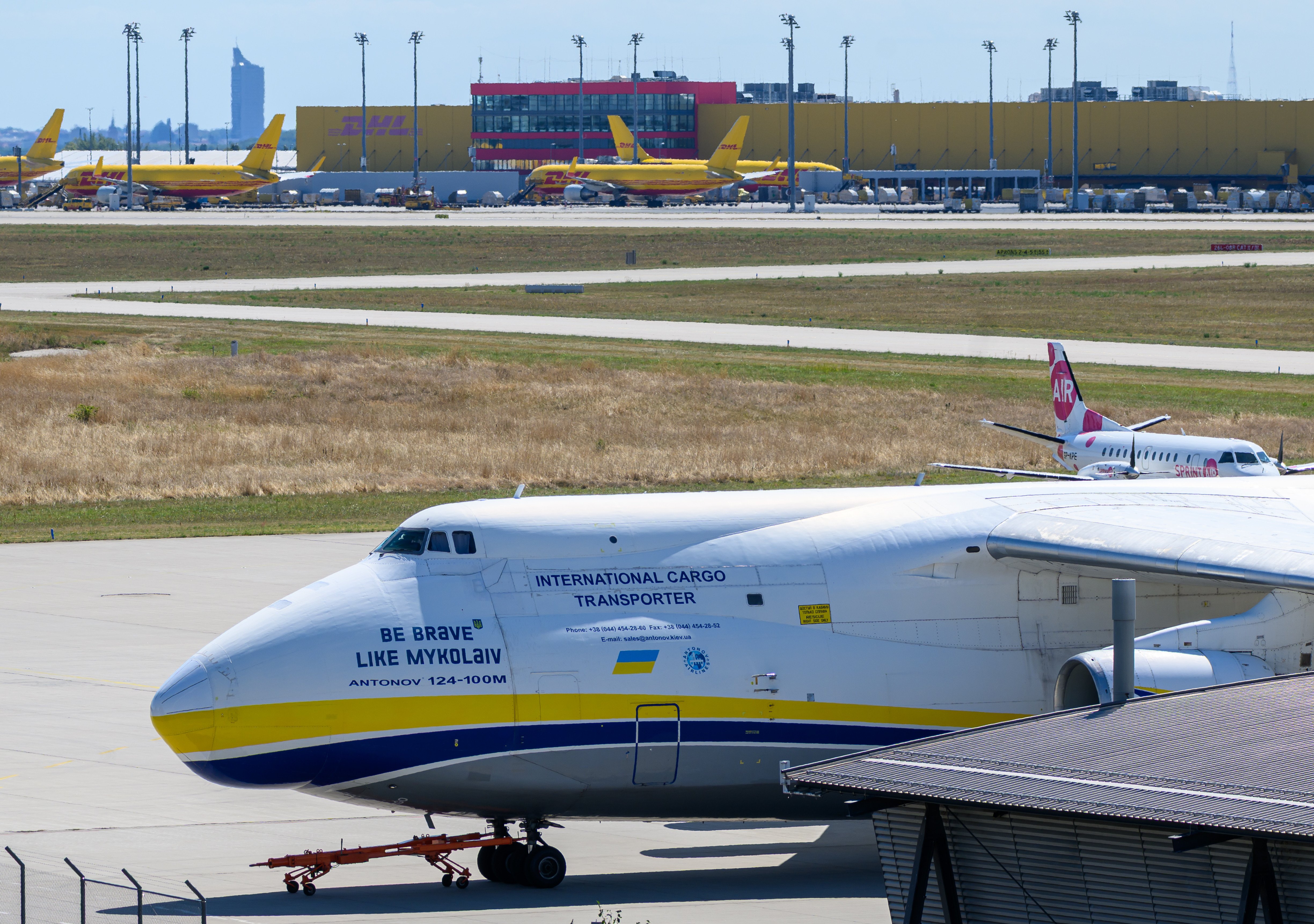
A Russian national with alleged ties to a senior Russian military intelligence figure is suspected of masterminding a failed sabotage attack targeting Germany’s Leipzig-Halle Airport, according to a joint investigation by The Telegraph and Welt am Sonntag.
The investigation identified Oleg Levushkin, a Russian passport holder, as the suspected organizer of the operation, which involved a drone carrying a container packed with explosives. The drone struck the wing of a parked Ukrainian Antonov An-124 cargo aircraft at the airport but failed to detonate.
We bring you stories from the ground. Your support keeps our team in the field.
Citing classified intelligence documents from Germany, Lithuania, and Poland, as well as interviews with senior Western intelligence officials, the outlets reported that Levushkin traveled to Germany with a proxy agent to prepare the attack. German investigators suspect he planned the operation before instructing Belarusian national Andrei Karshakou, described by officials as a “disposable agent,” to carry it out.
Levushkin has maintained contact for years with Denis Smolyaninov, whom Lithuanian intelligence identified in a December 2025 report as the head of the Ukraine department within Russia’s GRU military intelligence service, according to The Telegraph. The report described Smolyaninov as specializing in psychological operations and linked him to covert sabotage campaigns in Europe organized through Telegram.
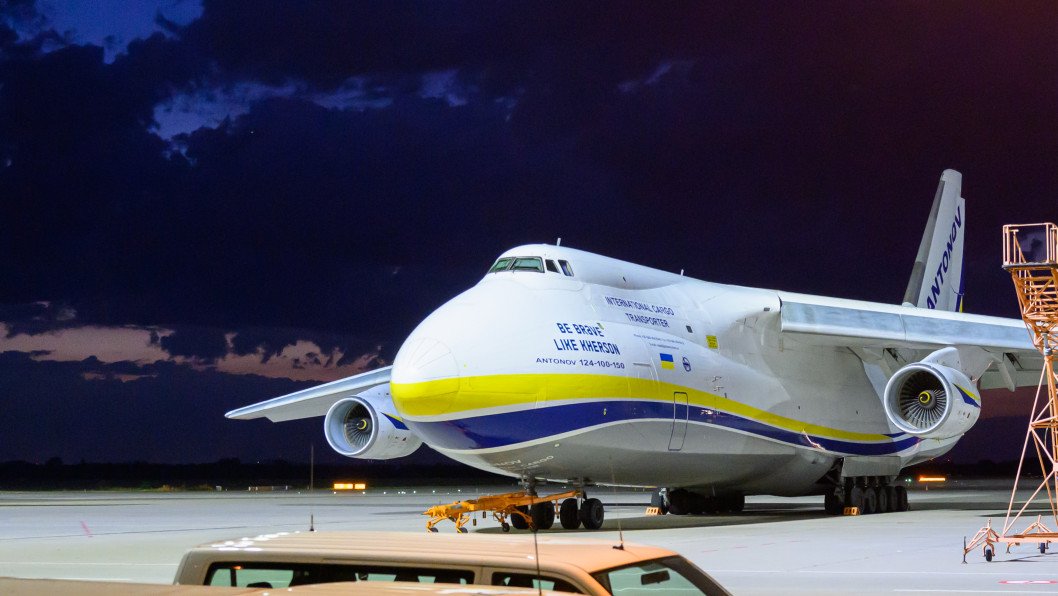
The Leipzig operation has been linked to GRU unit 29155, which German intelligence officials regard as a key force behind Russian sabotage operations in Europe. A senior German intelligence official told the outlets that Germany was increasingly becoming an “operational theatre” for Russian intelligence services, with activities previously considered isolated now occurring on a broader scale.
According to the investigation, Levushkin traveled to Germany via Türkiye and rented a vehicle at Berlin Airport about a week before the attack. Investigators said location data from the rental car indicated that he traveled to several suspected weapons caches and conducted reconnaissance near the terminals at Leipzig-Halle Airport on July 31.
Investigators suspect that 1.8 kilograms of Semtex used in the operation was smuggled into Germany via Bulgaria and Serbia, hidden in compartments inside trucks. Five days after Levushkin allegedly surveyed the airport, a drone carrying the explosives hit the wing of the Ukrainian An-124 and fell onto the runway without exploding.
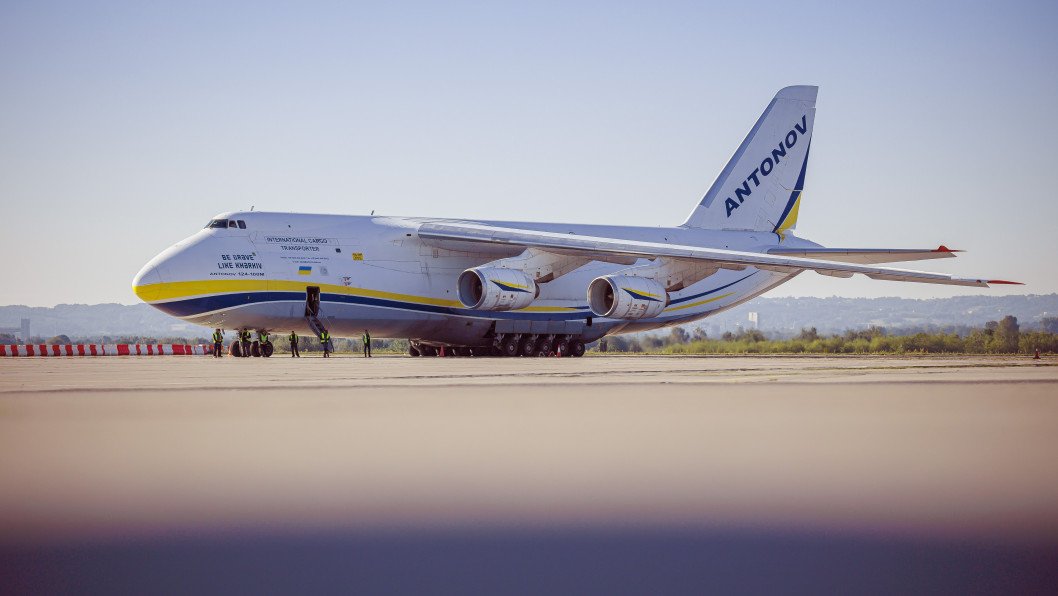
The aircraft was carrying approximately 25,000 liters of jet fuel at the time. Investigators assessed that an explosion could have caused severe damage at the airport. Police subsequently recovered debris from two additional drones and discovered an improvised antenna array attached to a nearby tree, which investigators believe was used as a control relay, The Telegraph reported.
DNA matching Karshakou was later recovered from a fragment of a glove attached to the antenna. His DNA profile had previously been registered in Finnish and Lithuanian criminal databases, and Polish authorities subsequently linked him to a 2024 arson attack at a home improvement store in Łódź that prosecutors classified as state-sponsored sabotage.
The investigation also found similarities between the explosive device recovered in Leipzig and devices discovered in other suspected Russian sabotage operations across Europe. Lithuanian forensic reports found that metal components from homemade bombs recovered at several locations had been manufactured using the same equipment.
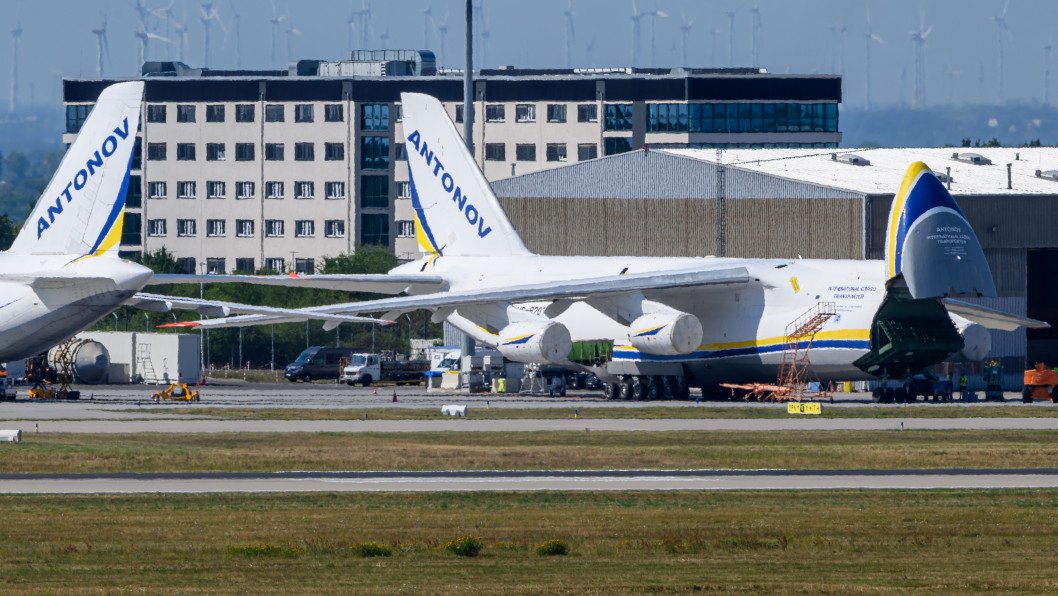
The Russian Embassy in Berlin rejected allegations of Russian involvement, describing them as “baseless accusations” and accusing European governments of using such claims to justify increased military spending.
“The purpose of this is obvious. Arguments are needed to maintain a persistently high level of anti-Russian paranoia that would justify the European elites’ immense military expenditure, as well as their misguided political and economic decisions. Since no such arguments exist and Russia does not in fact pose a threat to Europe, they have to be invented and disseminated to the public,” the embassy stated, according to The Telegraph.
The incident has also drawn a response from European Commission President Ursula von der Leyen, who described the attempted attack at Leipzig-Halle Airport as an operation carried out by Russian intelligence operatives using military-grade materials on European Union territory.
Von der Leyen said that if Moscow had intended the incident to weaken European support for Ukraine, it had instead strengthened European countries’ determination to continue backing Kyiv.
Discuss this article:



-421e8a9c474cc6ae67d60a56d7572c56.jpg "Russian ruble coins and one hundred dollars are seen on a table. (Source: Getty Images)")
-72b63a4e0c8c475ad81fe3eed3f63729.jpeg "Photo of Cyril Barabaltchouk")

-c439b7bd9030ecf9d5a4287dc361ba31.jpg "Photo of Katherina Popilnichenko")

-111f0e5095e02c02446ffed57bfb0ab1.jpeg "Photo of Roman Kohanets")