- Category
- World
Poland Simplifies Shoot-Down Rules as Russian Drones Threaten Its Airspace
 Prefer U24 Media on Google
- Authors

-72b63a4e0c8c475ad81fe3eed3f63729.jpeg "Photo of Cyril Barabaltchouk")
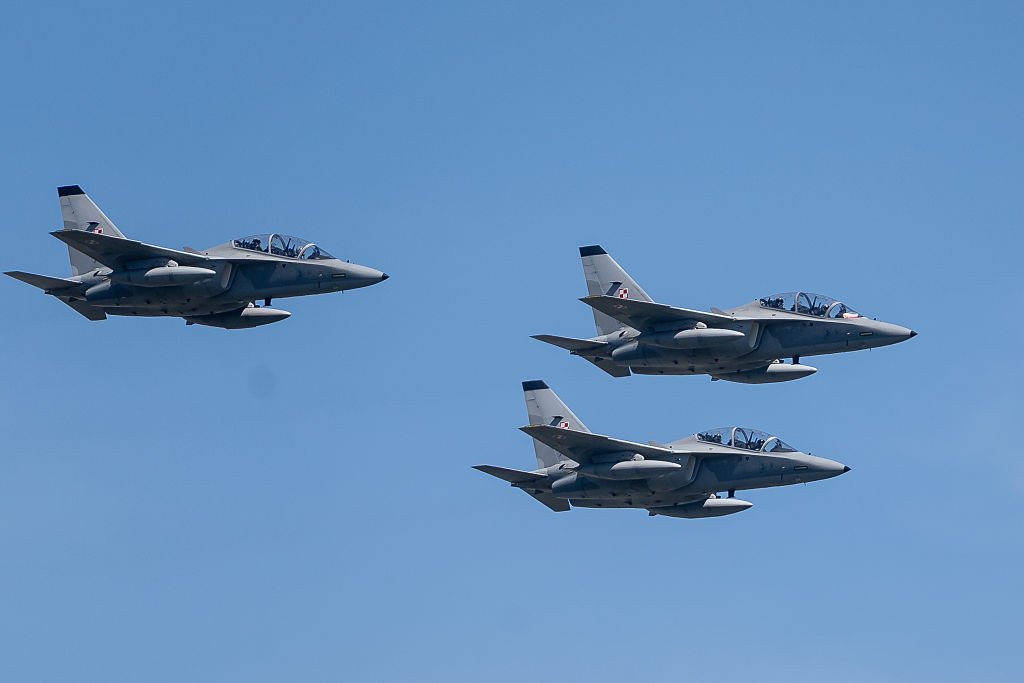
Poland has introduced simplified rules allowing its military to identify and shoot down foreign objects in its airspace without visual confirmation, Gazeta Prawna reported on September 30.
The new procedures took effect on October 1 as Poland adapts its air defense rules to repeated risks from Russian drone and missile attacks on neighboring Ukraine. Defense Minister Władysław Kosiniak-Kamysz confirmed that the military had completed preparations for the change.
We bring you stories from the ground. Your support keeps our team in the field.
UNITED24 Media recently documented a sharp rise in Russian drone and missile incursions near NATO’s eastern flank, with 2026 recording almost as many confirmed and likely Russian-origin incidents as 2024 and 2025 combined. Poland has responded by strengthening air defenses and revising procedures for dealing with unidentified aerial threats.
Under the previous peacetime rules, Polish fighter pilots generally had to approach an unidentified object closely enough to identify it visually before engaging it. Gazeta Prawna noted that the requirement is being replaced by so-called positive identification.
Pilots or commanders will now be able to authorize an interception using information from radars and other surveillance systems, as well as data provided by Ukraine during Russian aerial attacks.
Kosiniak-Kamysz stated that Operational Commander General Ireneusz Nowak had reported that the new procedures were fully prepared and being implemented.
“October 1 is always a good moment not only to begin the academic year, but also to introduce new procedures,” Kosiniak-Kamysz stated.
-51cec302c5cc2357376be73c961c99d5.png)
The changes do not require amendments to Polish law and are being implemented at the military level, Gazeta Prawna wrote. The defense minister described the new rules as clear procedures that pilots and other personnel involved in air defense would be expected to follow.
Under existing Polish law, the Operational Commander of the Armed Forces remains responsible for protecting national airspace through the Air Operations Center. The commander can order an intruding object to be shot down or delegate that authority to fighter pilots.
Deputy Defense Minister Cezary Tomczyk earlier explained that the previous visual-identification requirement was designed to reduce the risk of mistakenly shooting down civilian aircraft during peacetime. Poland’s current security environment, however, required different procedures.
“Until now, we did not use this type of capability because it is usually reserved for a state of war or martial law,” Tomczyk stated.
“Poland today faces the possibility of drones entering our territory every day, so we have to introduce these changes for both our pilots and the security of the state,” he continued.
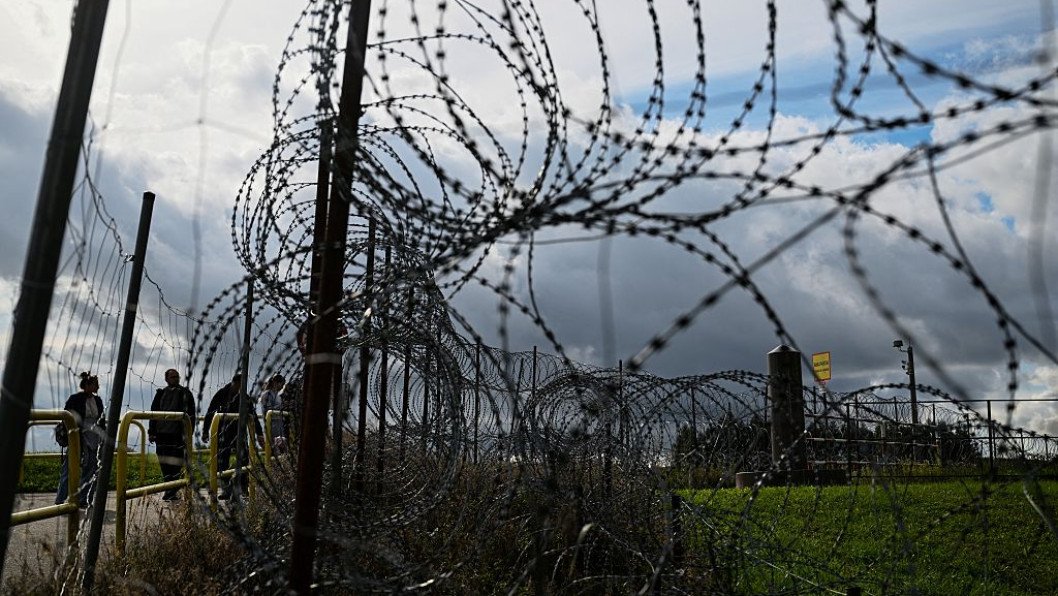
Poland has repeatedly scrambled aircraft and activated air defenses during large Russian attacks on Ukraine, particularly when drones and missiles approach its eastern border. The revised rules are intended to give Polish forces more time to respond when unidentified aerial objects enter national airspace.
Days earlier, a Russian jet-powered drone crashed near the Yahodyn crossing on Ukraine’s border with Poland, with the blast wave damaging the checkpoint area. Poland scrambled fighter jets and placed air defense and radar units on heightened readiness as the drone approached the border.
Discuss this article:
-9a7b3a98ed5c506e0b77a6663f5727c5.png)

-c439b7bd9030ecf9d5a4287dc361ba31.jpg "Photo of Katherina Popilnichenko")

-111f0e5095e02c02446ffed57bfb0ab1.jpeg "Photo of Roman Kohanets")