- Category
- World
Russia’s Prison Service Expands Recruitment to Teenagers Amid 70,000-Staff Shortage
 Prefer U24 Media on Google
- Authors

-c439b7bd9030ecf9d5a4287dc361ba31.jpg "Photo of Katherina Popilnichenko")
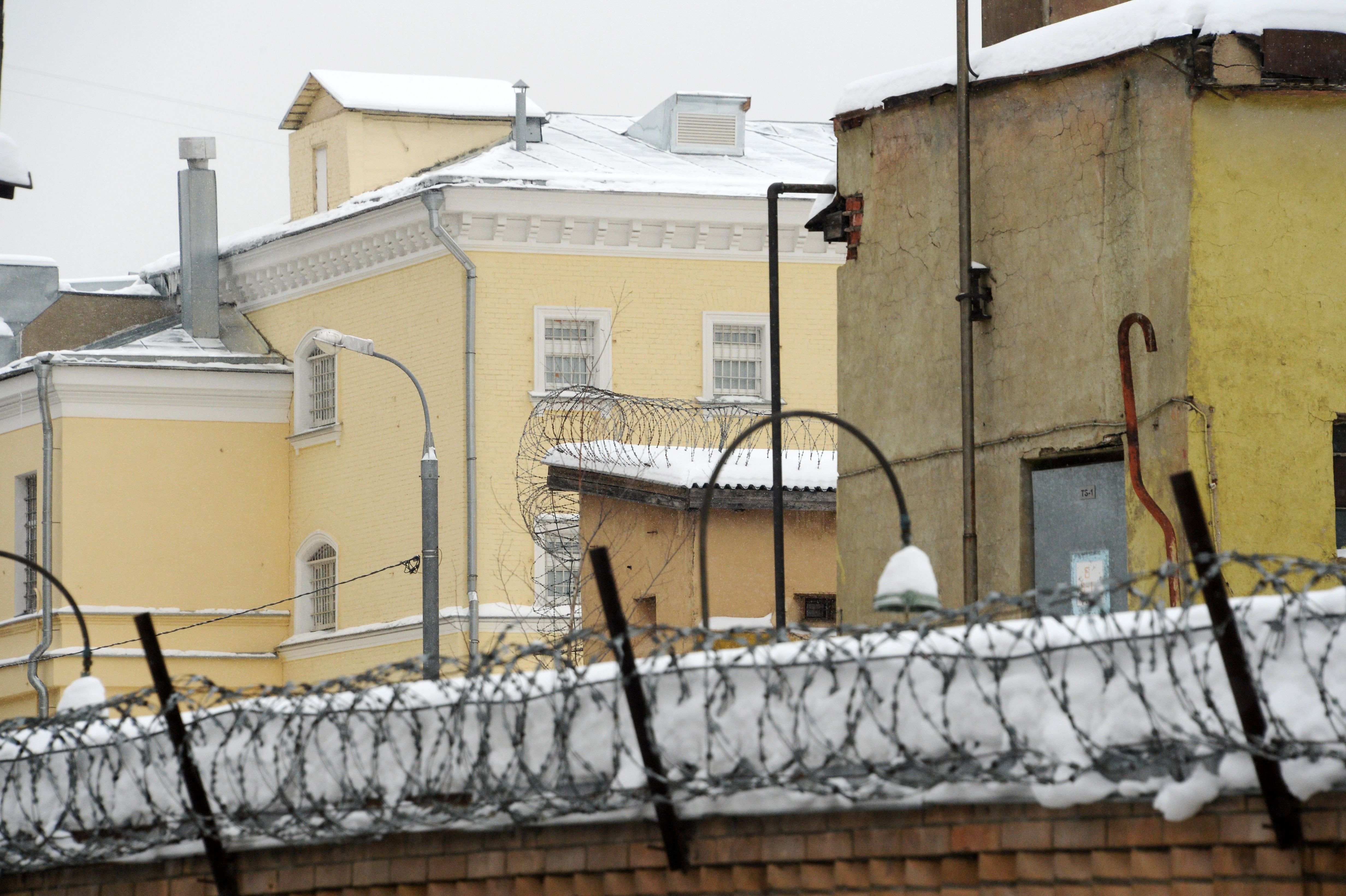
Russia’s Federal Penitentiary Service (FSIN) plans to involve cadets from its educational institutions in working at correctional facilities amid a shortage of over 70,000 employees, according to The Moscow Times.
This initiative is detailed in a draft order published by the FSIN on September 8, which updates 2022 regulations governing higher education standards. Under the new rules, vocational education programs at departmental schools will be tailored to meet the requirements of future prison staff.
We bring you stories from the ground. Your support keeps our team in the field.
Cadets will undergo practical training in correctional facilities and institutions, including colonies, prisons, and pre-trial detention centers.
Their pre-graduation training will take place directly at the institutions where they have signed service contracts. In late August, the agency issued a separate order establishing a new admission process for its vocational secondary schools, allowing applicants to enroll after completing basic general education (at age 15) or secondary general education (at age 17).
In March, FSIN Director Arkady Gostev stated that the personnel shortage reached more than 30.5% in 2025. Given the service's official staff capacity of 234,100 positions, the current deficit exceeds 71,000 employees, up from 54,000 at the end of 2024.

Meanwhile, as inmates were sent to Russia’s full-scale invasion of Ukraine, the country's prison population dropped to an all-time low of under 300,000 people in colonies and detention centers, compared to roughly 466,000 prior to the full-scale invasion.
Expanding the system to include teenagers aged 15 and 16 could negatively impact educational standards, according to Anna Karetnikova, a former analyst at the Moscow FSIN department and former member of the Public Monitoring Commission.
"Now there is a risk that a very poor education will start not at the university level, but already after the 9th grade," she noted, adding that departmental institutions previously produced graduates with weak professional preparation.
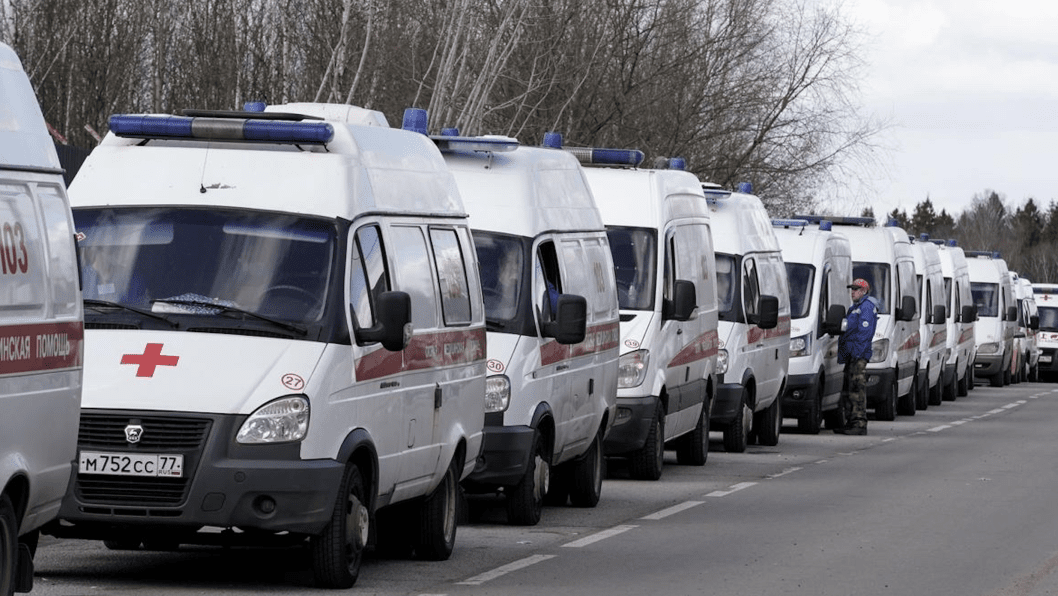
These initiatives coincide with broader efforts by state authorities to address staffing shortages across law enforcement agencies, including the Ministry of Internal Affairs and the Ministry of Emergency Situations, alongside public statements regarding an oversupply of university applicants.
Meanwhile, Russian citizens have repeatedly reported that school administrators refuse to admit children into the 10th grade under the pretext of poor academic performance and low diploma scores.
Earlier, Russia’s central bank gold reserves fell to their lowest level in more than six years as Moscow increasingly relied on liquid reserve assets to meet rising budget demands.
Discuss this article: