- Category
- World
Power of Siberia 2 Talks Hit Another Roadblock Over China-Russia Gas Prices
 Prefer U24 Media on Google
- Authors

-111f0e5095e02c02446ffed57bfb0ab1.jpeg "Photo of Roman Kohanets")
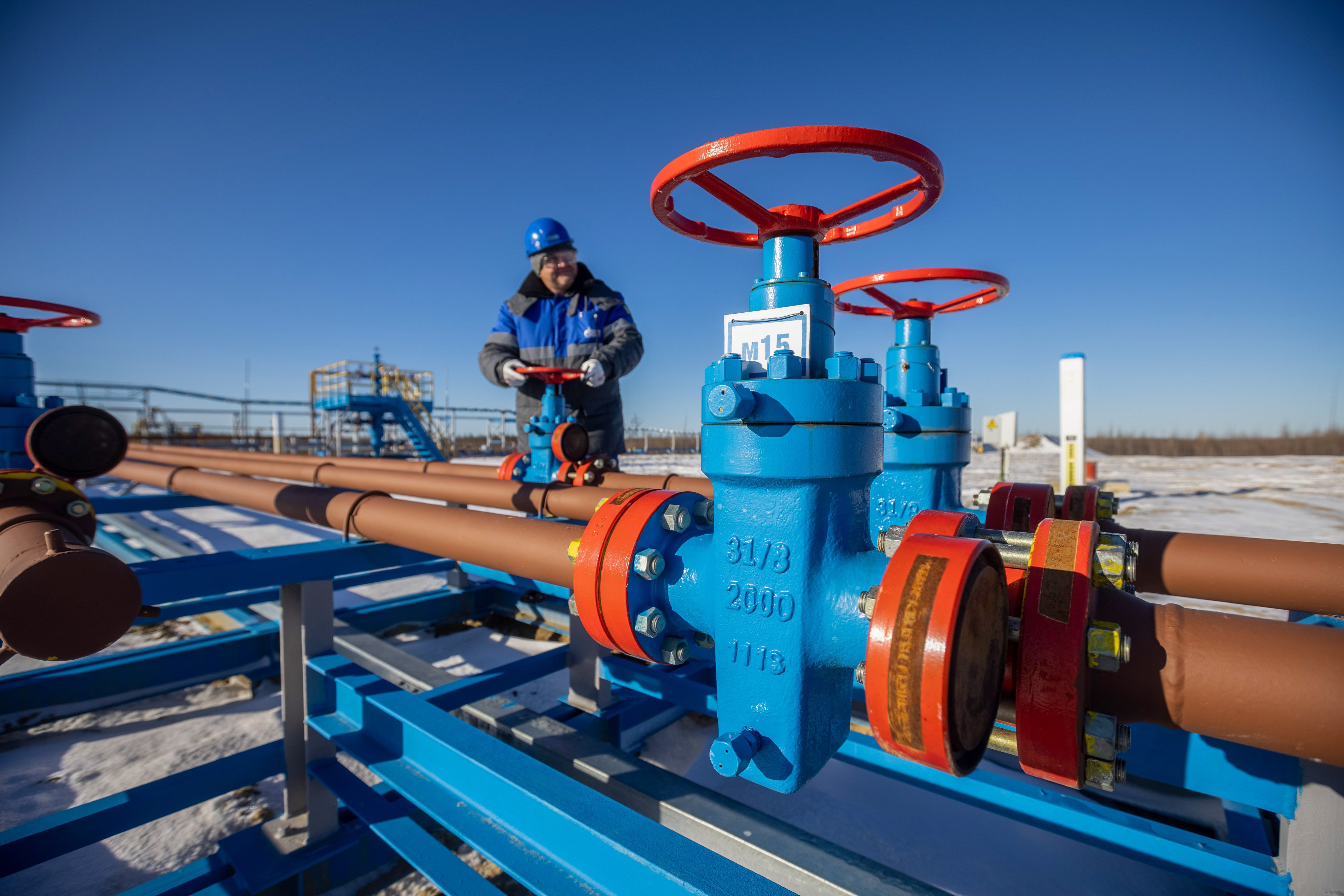
Negotiations over Russia's Power of Siberia-2 gas pipeline to China stalled again following the August 31 summit between Moscow and Beijing in Bishkek.
This was reported by the South China Morning Post on September 8, citing sources familiar with the negotiations.
We bring you stories from the ground. Your support keeps our team in the field.
The meeting on the sidelines of the Shanghai Cooperation Organization summit brought together the Russian leader, Vladimir Putin, and the Chinese leader Xi Jinping. One source explained that there was "no progress on price," the outlet noted.
According to those sources, Beijing wants Russian gas priced near the roughly $50 per 1,000 cubic meters that Russian households pay, or at least the domestic industrial rate of $120 to $130.
Moscow, they indicated, prefers to anchor the deal to the existing Power of Siberia-1 price of $250 to $260 per 1,000 cubic meters. That figure already reflects a discount of about 40% against the $420 Gazprom charges other foreign clients.
Putin has moved to rebrand the 50-billion-cubic-meter project as "Power of Baikal," though talks on it were suspended, the sources added. The pipeline was not mentioned in the official communiqué issued after the meeting, despite Kremlin aide Yuri Ushakov having flagged it beforehand.
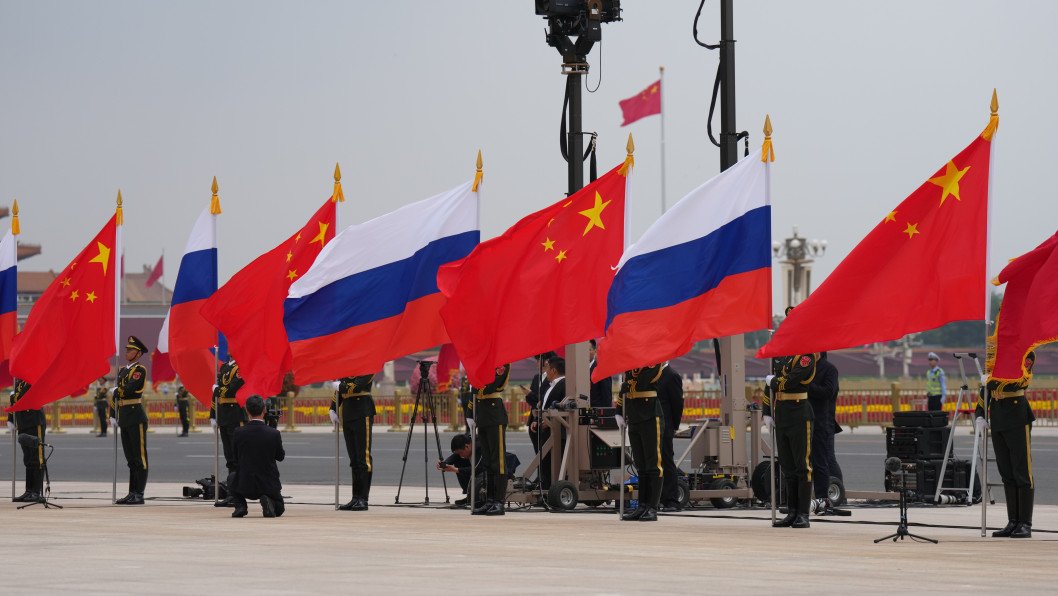
The first memorandum on the project was signed back in 2006, yet it remains unbuilt. Russia's Energy Minister, Sergei Tsivilev, who accompanied Putin to Bishkek, stated afterward that it had reached "the final stage of transition to construction." Russian officials have made similar claims at least 10 times since early 2022, according to analysts at the Russian think tank Vector Capital.
In September 2022, Putin asserted that the main terms, including price, had already been agreed. In March 2023, then-Energy Minister Alexander Novak announced a contract would be signed "by the end of the year," and he has since described the deal as nearly final on four more occasions.
Alexei Chagadaev of the New Eurasian Strategies Center noted that China has no reason to rush, as its bargaining position strengthens by the day. Gazprom has struggled to redirect the up to 200 billion cubic meters it once shipped to Europe each year.
Its exports now sit near 70 to 80 billion cubic meters annually, the lowest since the mid-1980s. Hungary, Slovakia, and Greece still purchase Russian gas, though those flows may halt in 2027 under an EU embargo.
Earlier, in July 2026, more than a decade of talks reached a full deadlock, with Chinese officials reportedly telling the Russian delegation to shelve the project until pricing terms changed.
While almost a year earlier, in September 2025, Putin and Gazprom chief Alexey Miller announced a memorandum described as binding. The pipeline was then omitted from the 42 agreements signed during Putin's subsequent visit to Beijing. The Bishkek talks marked his sixth attempt to advance the 50-billion-cubic-meter project since the full-scale invasion began.
Discuss this article:



-c439b7bd9030ecf9d5a4287dc361ba31.jpg "Photo of Katherina Popilnichenko")


-72b63a4e0c8c475ad81fe3eed3f63729.jpeg "Photo of Cyril Barabaltchouk")