- Category
- World
Pentagon Eyes Tactical Nuclear Shift to Deter China, Russia Without Global Escalation
 Prefer U24 Media on Google
- Authors

-111f0e5095e02c02446ffed57bfb0ab1.jpeg "Photo of Roman Kohanets")
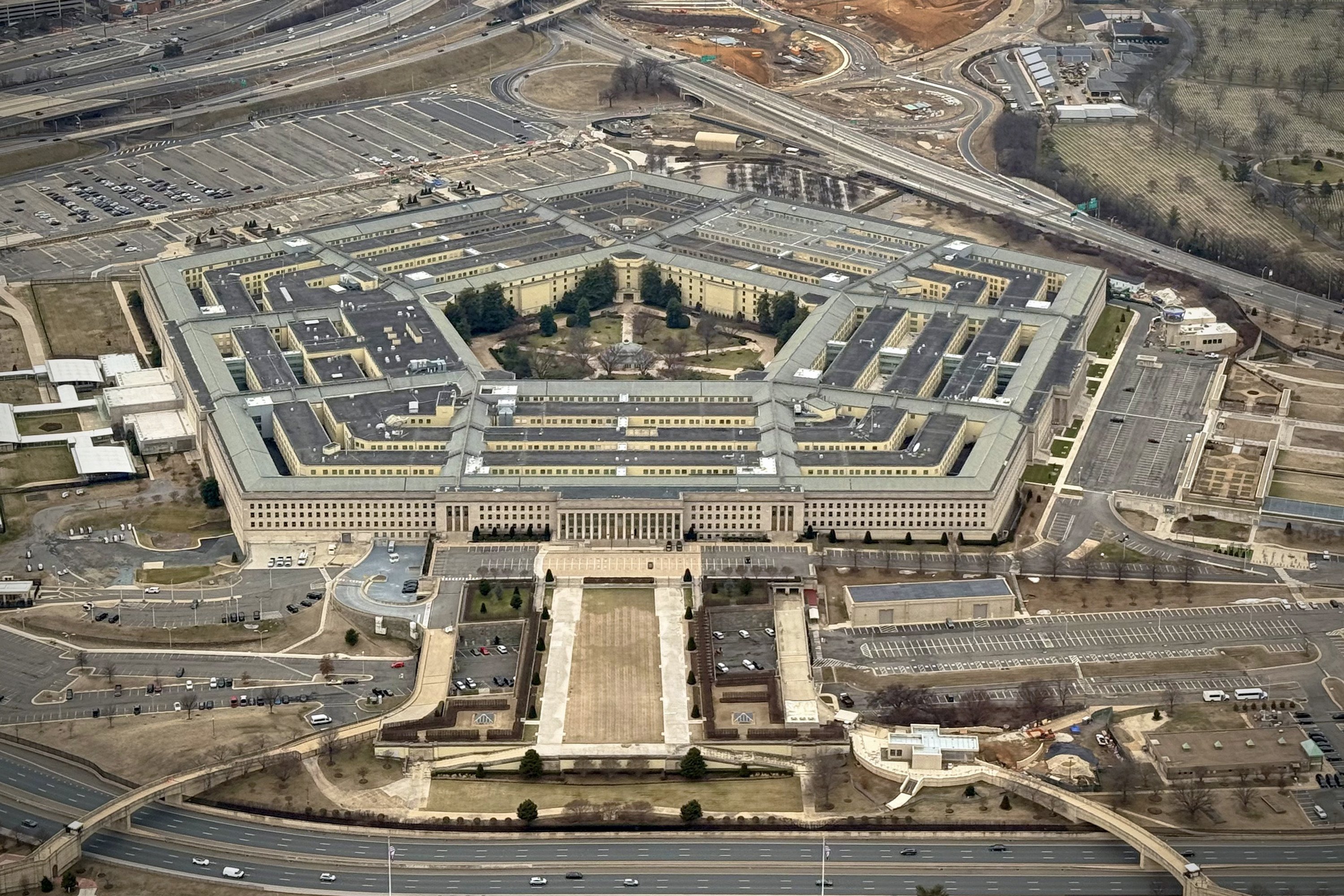
The US Department of Defense is undergoing a long-term strategic shift, drafting a new nuclear strategy that prepares for the potential use of shorter-range tactical weapons in a regional war against China or Russia.
The plans were described to NBC by five people familiar with the matter and reported on August 5, reflecting internal planning rather than an adopted policy.
We bring you stories from the ground. Your support keeps our team in the field.
Under the emerging framework, the retaliatory nuclear options presented to the US president during a crisis would be revised.
Sources told NBC that the strategy aims to prevent a conventional war from escalating into a nuclear one and to deny an adversary any advantage in such a conflict.
It focuses primarily on possible regional confrontations with Russia and China, which Washington regards as its principal nuclear rivals.
The effort is overseen by Elbridge Colby, the deputy secretary of defense for policy, who played a central role in halting US military aid to Ukraine and in reshaping the American military presence in Europe.
Colby favors a larger role for tactical nuclear weapons, breaking with the current approach that relies on long-range strategic systems to destroy an enemy's nuclear forces. Adversaries already understand that the US is prepared to use such weapons, he has argued.
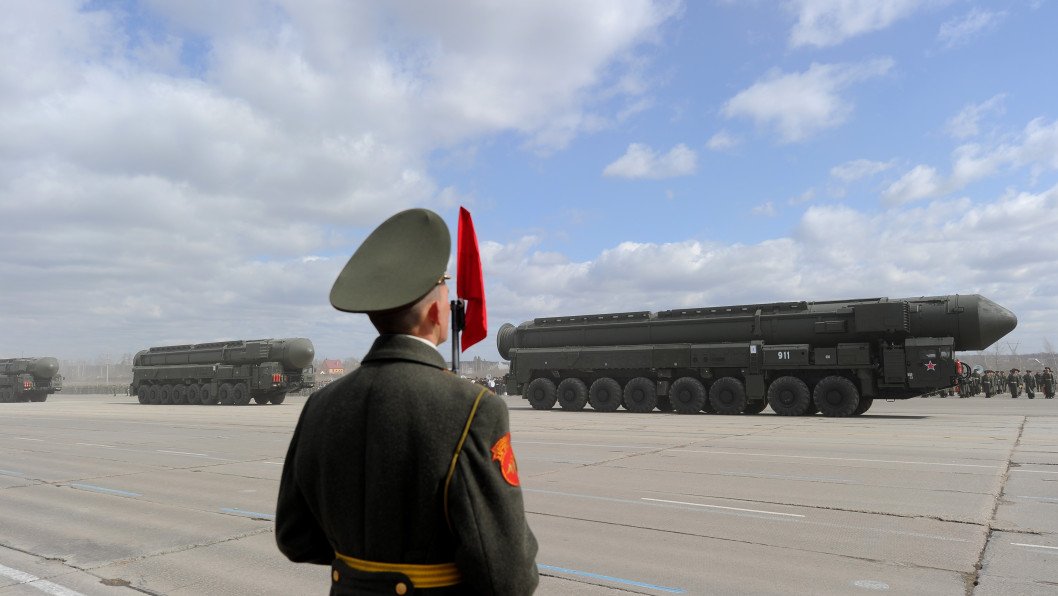
The approach has unsettled some specialists, who cautioned NBC that it could weaken deterrence by making the threat of a large-scale nuclear strike appear less credible. They also warned it might leave US forces less prepared for a full nuclear exchange in certain scenarios.
Colby planned to present his proposals on Wednesday at a closed military event in Nebraska during a visit to US Strategic Command, which oversees the country's nuclear forces, according to NBC's sources.
A US congressional source told NBC it was hard to imagine an approach that more sharply contradicted Trump's stated goal "that we should make our nuclear deterrence system great again," adding that the president wanted more deterrence capabilities, not fewer.
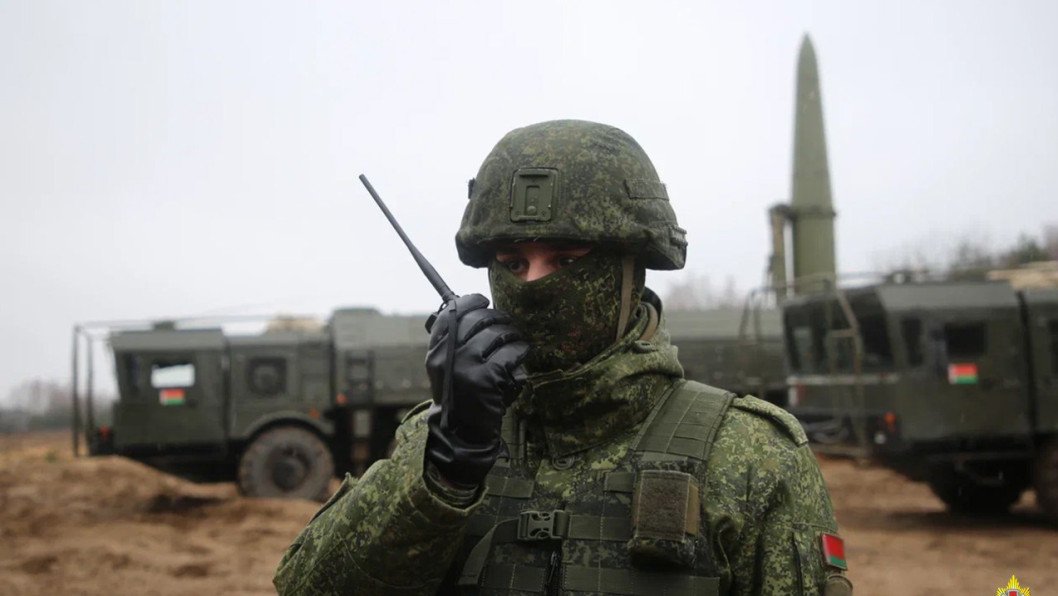
Trump and the Pentagon have previously stated that the US must simultaneously counter two nuclear rivals in China and Russia. The Defense Department's watchlist names 130 organizations and institutions across China, Russia, and Iran whose activities it considers a threat to US national security.
The reassessment of US nuclear posture has gained urgency since the last strategic arms control treaty between Washington and Moscow lapsed in February 2026. Following that expiration, Trump and his administration signaled they were weighing the deployment of additional nuclear weapons and, potentially, some form of nuclear testing.
The debate over Washington's nuclear commitments has also rippled through NATO, where several eastern-flank members, including Poland and the Baltic states, have signaled interest in hosting US nuclear weapons.
Earlier decisions to cancel planned deployments and redirect military assets toward Asia unsettled European capitals, which fear gaps in the continent's deterrence and have begun building more autonomous arrangements, among them Norway's move to join France's nuclear umbrella.
Discuss this article:
-9a7b3a98ed5c506e0b77a6663f5727c5.png)




-c439b7bd9030ecf9d5a4287dc361ba31.jpg "Photo of Katherina Popilnichenko")