- Category
- War in Ukraine
Russia Sends 14th-Century Prince’s Relics to Front Line to Help Troops “Win” in Ukraine
 Prefer U24 Media on Google
- Authors


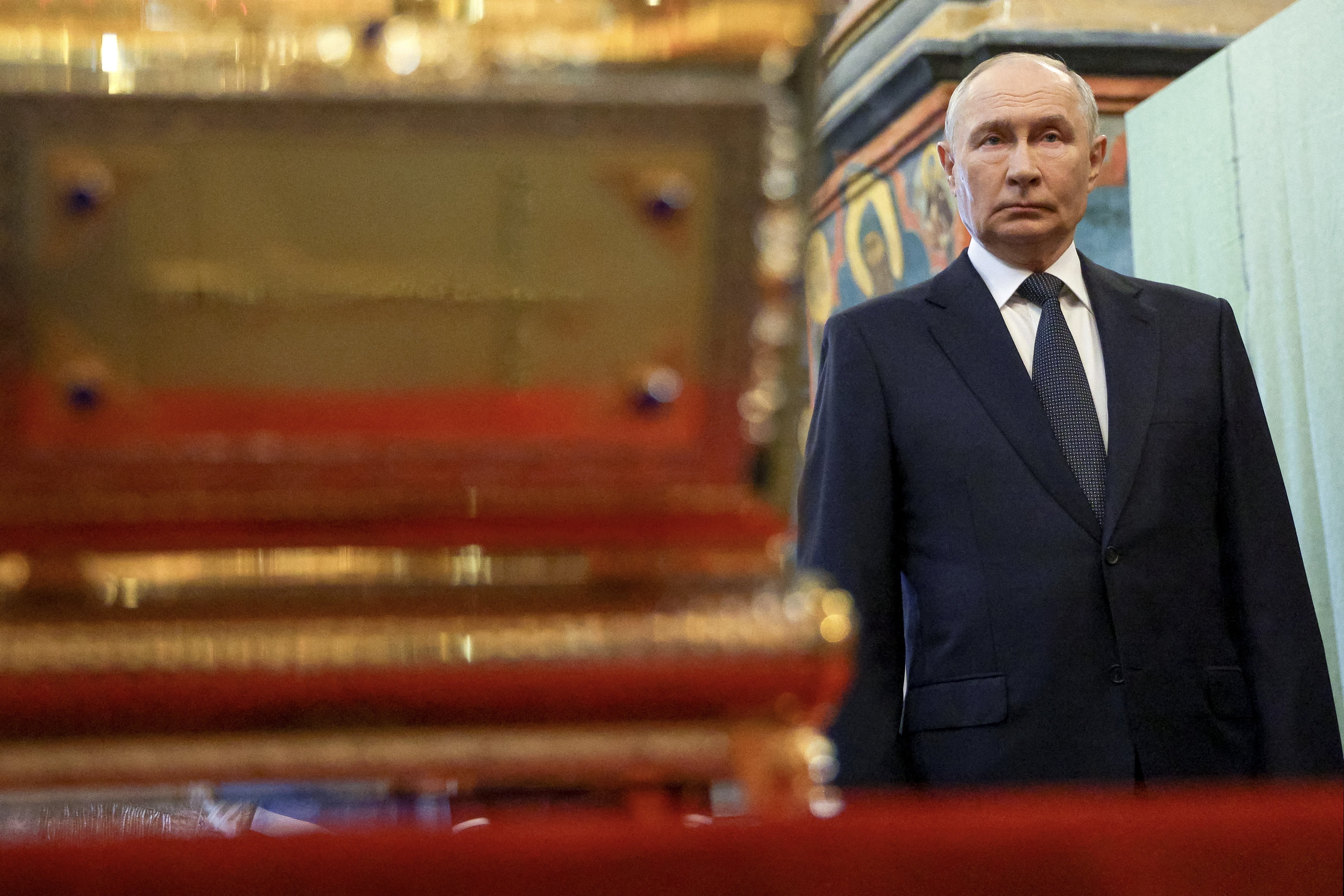
The Russian Orthodox Church has sent a relic attributed to medieval Prince Dmitry Donskoy to Russian forces fighting in Ukraine, presenting the move as an effort to provide spiritual support to troops.
We bring you stories from the ground. Your support keeps our team in the field.
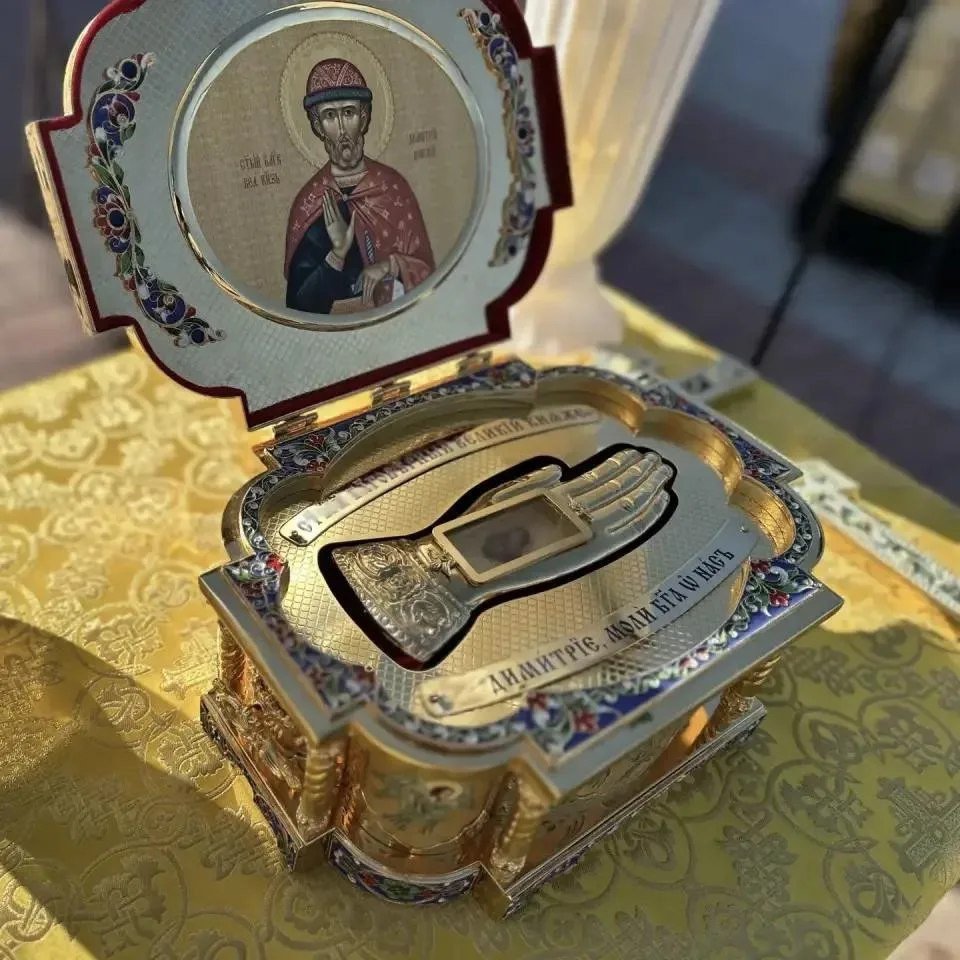
A reliquary containing a fragment of the right hand of medieval Moscow Prince Dmitry Donskoy is being taken toward Russian troops fighting in Ukraine as part of a Russian Orthodox Church initiative aimed at providing spiritual support to soldiers.
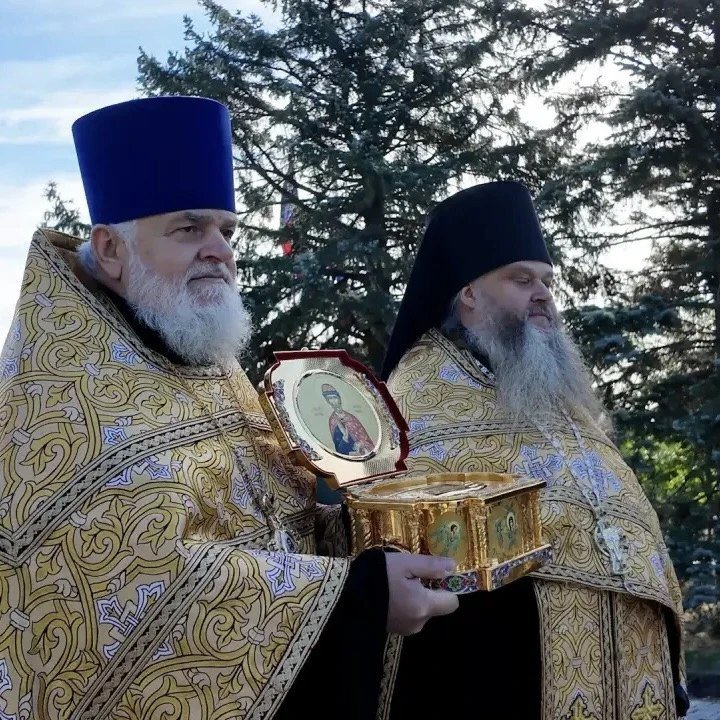
According to Russia’s Defense Ministry, the reliquary was brought to a church at the Saur-Mohyla memorial complex in the temporarily occupied part of Ukraine’s Donetsk region before being sent toward the front line. A prayer service was held at the site.
The Russian Orthodox Church’s department responsible for relations with the military said the relic was intended for the “spiritual strengthening of warriors.”
“The holy commander is going to where the fate of the Fatherland is being decided today, to invisibly stand in the same battle line with our defenders,” the Russian Orthodox Church said in a statement cited by RIA Novosti.
Metropolitan Vladimir of Donetsk and Mariupol said the arrival of Donskoy’s relics was intended to strengthen Russian troops and civilians and help them mobilize their efforts to “achieve victory over the enemy,” according to TASS.
“Both our military personnel and the people who live in Donbas need strengthening from above, need God’s help and the blessing of our saints. Therefore, this is deeply symbolic and important,” Vladimir said.
Dmitry Donskoy was a 14th-century prince of Moscow best known for leading forces against the Golden Horde at the Battle of Kulikovo in 1380. The Russian Orthodox Church canonized him in 1988.
-52d198fbc6bebf55e3c6d0a3cc2ee5b5.jpg)
The church announced in August that remains attributed to Donskoy had been discovered during restoration work at the Archangel Cathedral inside the Moscow Kremlin, where medieval Moscow princes and later Russian rulers were buried.
Previously, a senior Russian Orthodox Church official proposed reviving Stalin-era restrictions on divorce as a way to address Russia’s demographic decline.
Fyodor Lukyanov, head of the church’s Patriarchal Commission on Family Affairs, argued that Soviet wartime policies could serve as a model for making divorce more difficult and financially disadvantageous.
Discuss this article:
-9a7b3a98ed5c506e0b77a6663f5727c5.png)


-29a1a43aba23f9bb779a1ac8b98d2121.jpeg "Photo of Illia Kabachynskyi")
-72b63a4e0c8c475ad81fe3eed3f63729.jpeg "Photo of Cyril Barabaltchouk")
-111f0e5095e02c02446ffed57bfb0ab1.jpeg "Photo of Roman Kohanets")