- Category
- World
Russia’s Space Agency Promises Nuclear Power Plant on the Moon by 2036
 Prefer U24 Media on Google
- Authors

-c439b7bd9030ecf9d5a4287dc361ba31.jpg "Photo of Katherina Popilnichenko")
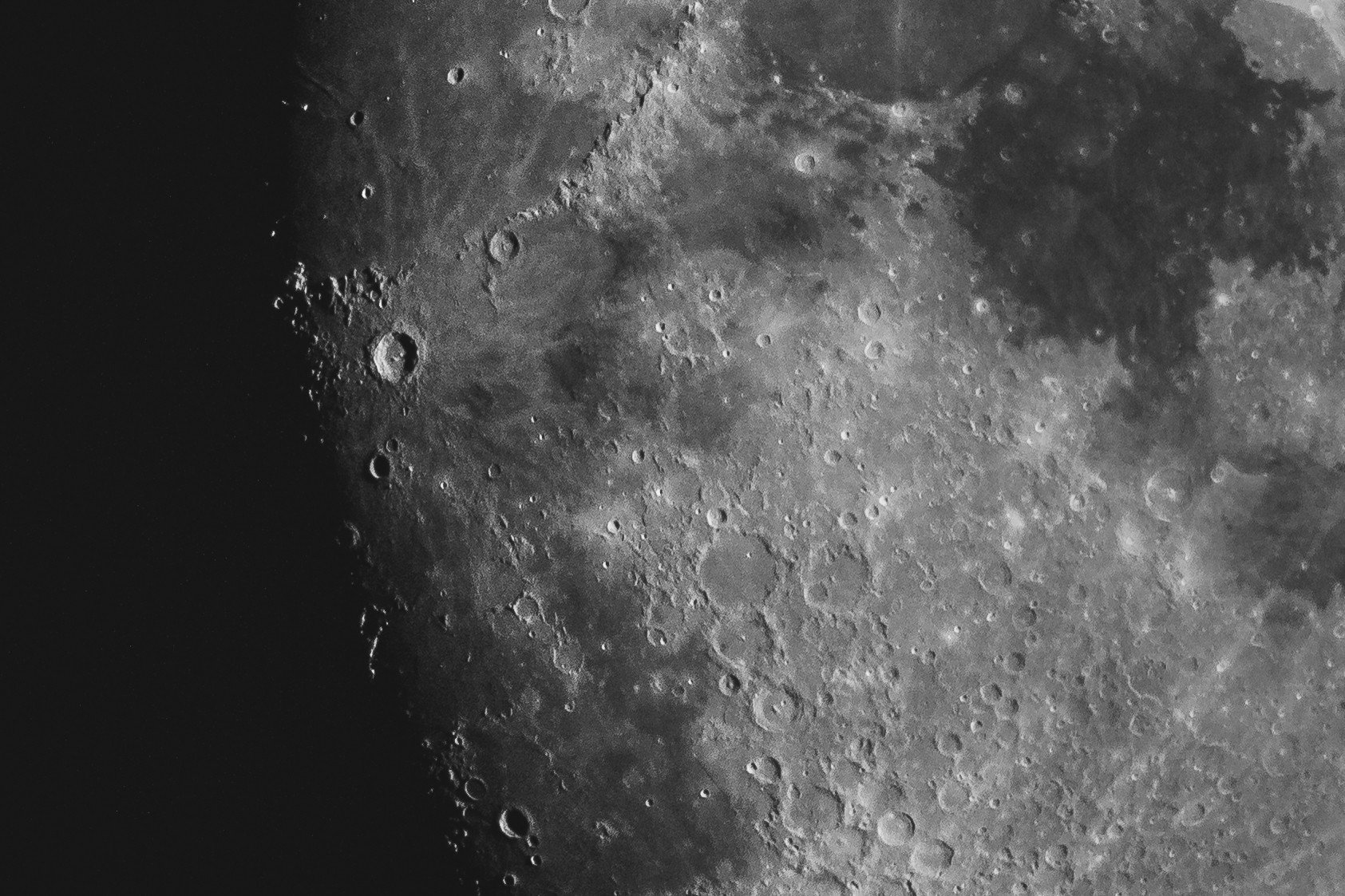
The Russian space agency Roscosmos has drafted a presidential decree outlining plans to deploy a nuclear power plant on the Moon by 2036 to supply energy to its future lunar infrastructure.
According to the document, which details the primary objectives of the state’s space exploration policy, Moscow intends to establish the station within the next 10 years. Following this, the plan involves expanding research to Venus and Mars and launching spacecraft equipped with nuclear propulsion systems, as reported by The Moscow Times on June 26.
We bring you stories from the ground. Your support keeps our team in the field.
In the summer of 2025, Deputy Prime Minister Denis Manturov promised Vladimir Putin that Russia would become the first nation to construct a nuclear power plant on the Moon.
By April 2026, Rosatom head Alexey Likhachev reported that the corporation, alongside Roscosmos, is developing a lunar power unit with a capacity of up to 10 kW and a failure-free operational lifespan exceeding 10 years.
Likhachev stated that the installation will withstand launch loads, vacuum conditions, radiation, and the extreme temperatures of the lunar night, which reaches minus 150 degrees Celsius and lasts for two Earth weeks, while noting that the agency is already considering a lunar nuclear power plant project with a capacity an order of magnitude higher.
Likhachev explained that 10 kW is insufficient for industrial lunar development, such as mining rare earth metals, extracting oxygen and rocket fuel from ice, and manufacturing complex products on-site. He emphasized that without powerful nuclear energy, deep space will remain an episodic expedition rather than a zone of industrial development.
-f47413d8908f40025bc0b7ec16a41b24.jpg)
However, the Russian lunar program has faced significant difficulties, project delays, and failures for many years. In 2023, Russia’s first lunar mission in half a century ended in failure. The Luna-25 station, which took over 10 years to prepare, crashed into the surface of the Moon.
In April 2026, Sergey Chernyshev, Vice President of the Russian Academy of Sciences, announced that the launch of the next lunar mission had been pushed back from 2027 to 2028. Several subsequent missions have also been postponed.
The Russian Academy of Sciences proposed a plan to divide the Moon, suggesting that Russia could establish its own "sovereign territories" through a federal project called "Space Science."
Sergei Chernyshev, vice president of the academy, announced this during a meeting about space research, stating that the lunar program would allow Russia to remain among the leading space powers and ultimately allow for the allocation of sovereign territories on the Moon's surface.
According to academician Anatoly Petrukovich, the budget for this lunar project through 2036 was approximately 700 billion rubles ($7.5B), while the total funding for the "Space" national project was 4.4 trillion rubles ($47.2B).
Discuss this article: