- Category
- World
South Korea Investigates Fuel Shipments to Russia as Sanctioned Tankers Face Legal Scrutiny
 Prefer U24 Media on Google
- Authors

-111f0e5095e02c02446ffed57bfb0ab1.jpeg "Photo of Roman Kohanets")
South Korea announced on October 8 that it could take legal action if an investigation finds that fuel shipments from its ports to Russia violated domestic law.
The Guardian reported the development after previously identifying more than 176,000 tonnes of fuel loaded at South Korean ports onto tankers that subsequently traveled to Russia.
We bring you stories from the ground. Your support keeps our team in the field.
In a joint statement, South Korea’s foreign and trade ministries and customs service stated they were “checking additional information concerning the loading cases reported by the Guardian.” The agencies added that if violations are confirmed, the government "plans to act in accordance with the law."
The Guardian’s analysis of port records and ship-tracking data found that the fuel, mostly diesel, was loaded during July and August. Seven tankers made 14 voyages to Russia’s Far East, including three vessels under UK and EU sanctions.
South Korean authorities emphasized that loading refined petroleum products at domestic ports does not, by itself, violate the country’s export controls on Russia. Seoul also stated that it had not confirmed whether the cargo was South Korean-origin fuel and reported no customs-cleared exports of diesel, aviation fuel, or motor gasoline to Russia.
The investigation will examine the tankers’ actual routes, discrepancies with their declared destinations, and the reasons for those changes. Three sanctioned tankers reportedly declared Japan or Singapore as their destinations before traveling to Vladivostok.
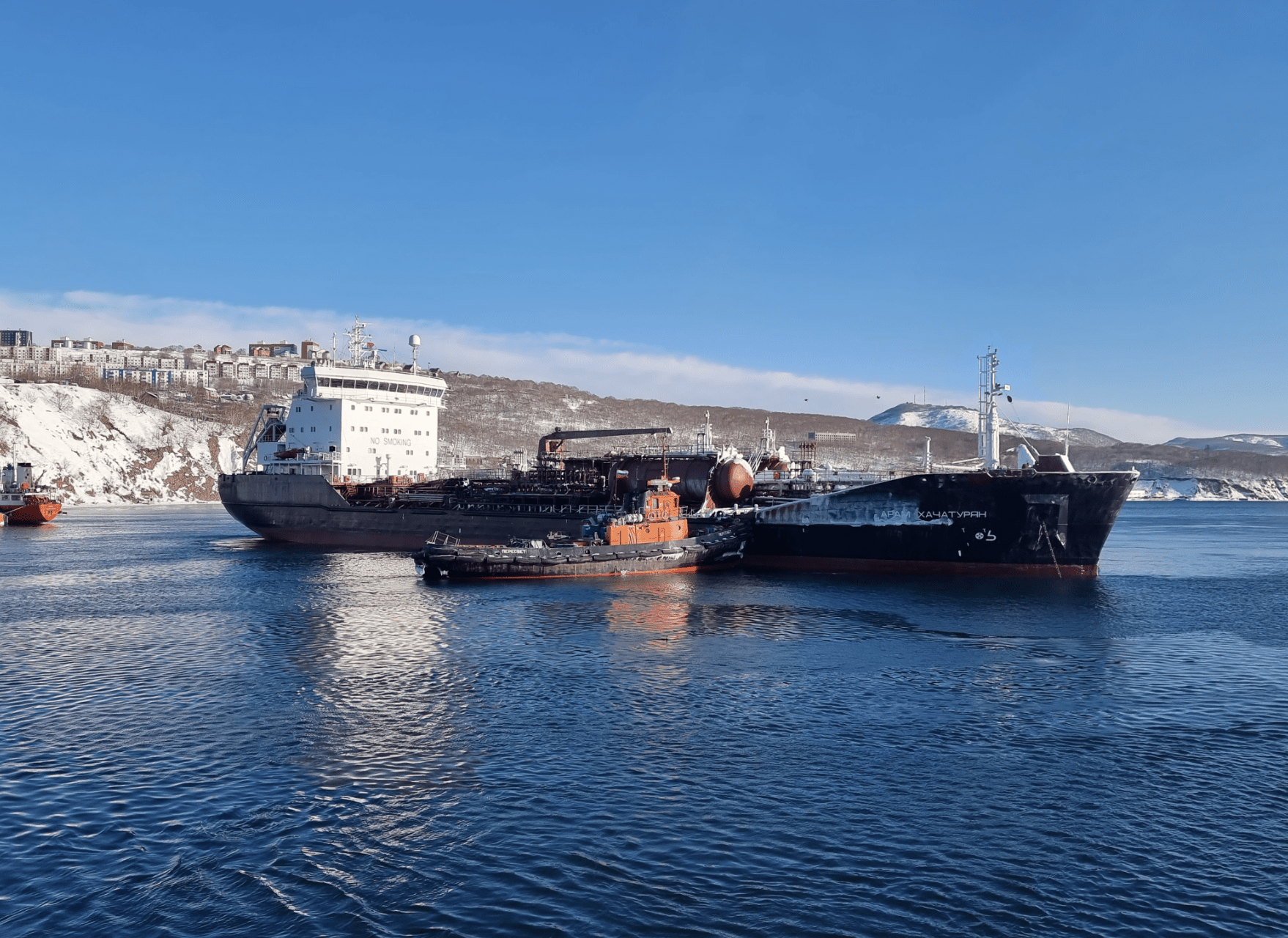
The Russian-flagged Aram Khachaturian, which is not under Western sanctions, loaded cargo in Ulsan three times in July and August. On each voyage, the tanker declared a destination outside Russia before later sailing there.
The dispute has also intensified tensions between Kyiv and Seoul. Ukraine’s Foreign Ministry confirmed this week that it had raised the shipments through closed diplomatic channels and requested an explanation, while South Korea announced on October 8 that it would recall its ambassador to Ukraine.
-ed55ca7862f3526b90cecd85a8d9b906.jpg)
The fuel shipments come as Ukrainian strikes continue to pressure Russia’s domestic refining sector. The Guardian reported that Russian refinery throughput fell in June to its lowest level in more than 20 years, while diesel output was nearly 30% lower year over year, according to the International Energy Agency.
South Korean fuel had already surfaced in Russia's supply chain weeks earlier, after retaliatory Ukrainian strikes on refineries cut aviation fuel output and pushed Moscow to temporarily ban its own jet fuel exports.
By late August, three shadow-fleet tankers had delivered about 70,000 metric tons of Jet A-1 from South Korea and Egypt to ports in St. Petersburg and Vladivostok. The South Korean supply chain ran through UAE-based Caliph Energy Trading FZE. The fuel is suitable for Su-34, Su-35S, and Su-57 aircraft, as well as Tu-95MS strategic bombers.
Discuss this article: