- Category
- World
South Korea Recalls Ambassador From Ukraine as Dispute Over North Korean POWs Escalates
 Prefer U24 Media on Google
- Authors

-111f0e5095e02c02446ffed57bfb0ab1.jpeg "Photo of Roman Kohanets")
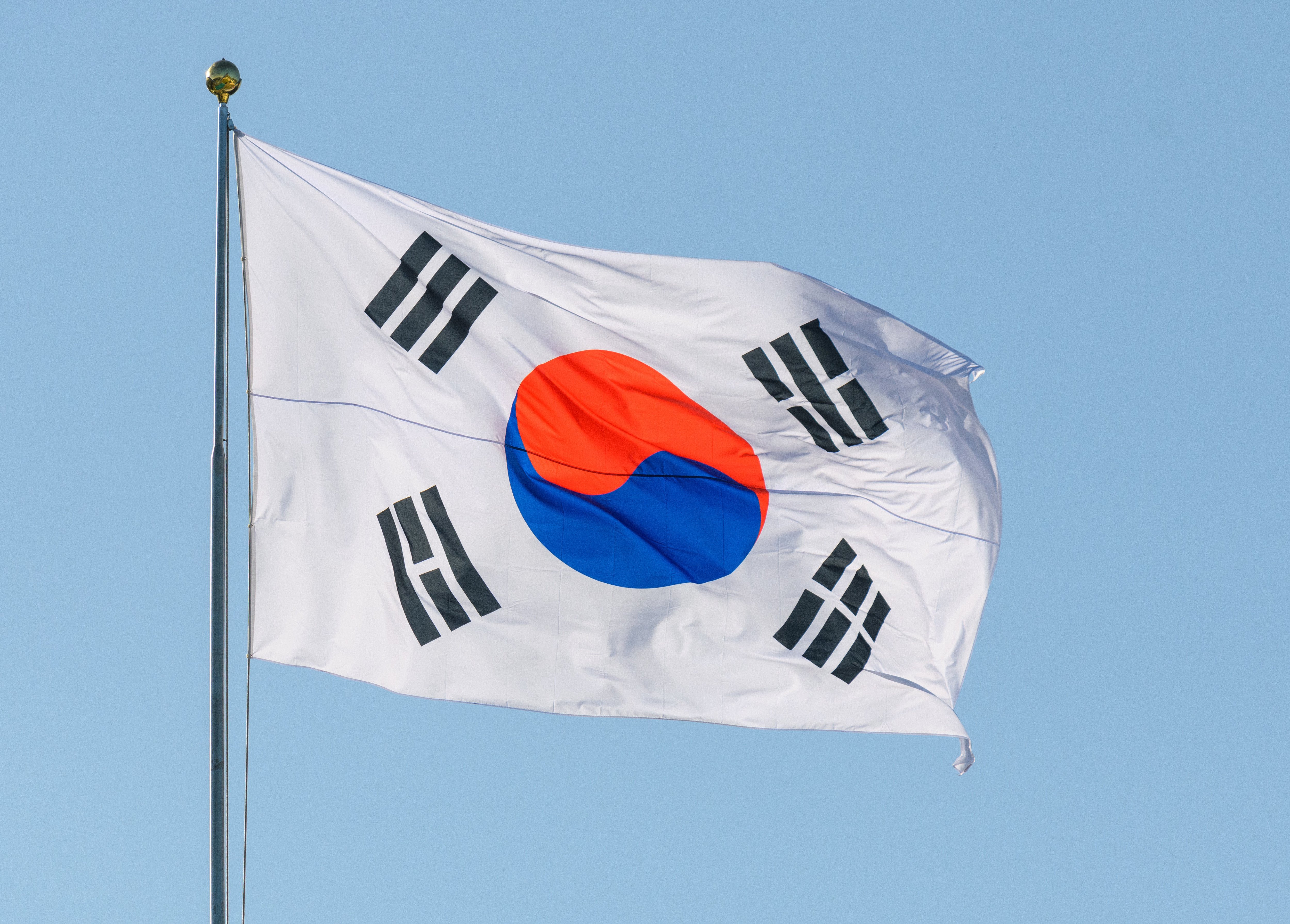
South Korea announced on October 8 that it will recall its ambassador to Ukraine amid a diplomatic dispute over Kyiv’s disclosure of the transfer of two North Korean prisoners of war to Seoul.
Reuters reported the decision, citing South Korea’s Foreign Ministry, while Yonhap provided additional details about the dispute. Seoul has demanded an official explanation and apology over Ukrainian President Volodymyr Zelenskyy’s disclosure of the prisoners’ transfer.
We bring you stories from the ground. Your support keeps our team in the field.
“The government has decided to recall its ambassador to Ukraine to Seoul,” the South Korean Foreign Ministry stated. "We hope that various issues between the two countries will be resolved smoothly, and we will continue consultations with the Ukrainian side to that end."
South Korea has accused Ukraine of violating an agreement to keep the transfer confidential. Seoul also objected to a statement from Zelenskyy’s office denying that such a confidentiality agreement existed.
Despite the recall, the South Korean government indicated that negotiations with Kyiv would continue as the two sides seek to resolve the dispute.
-180a5b79f7118ec62330bb466f81486d.jpg)
The dispute intensified earlier this week after Ukrainian Foreign Minister Andrii Sybiha sent a message to South Korean Foreign Minister Cho Hyun that included an apology. Cho stated on October 6 that the message fell short of Seoul’s expectations and announced that South Korea intended to take “firm measures.”
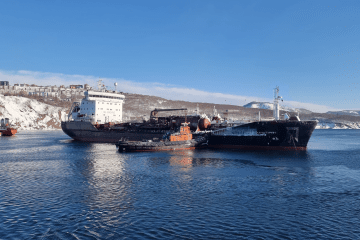
The diplomatic rupture adds to scrutiny of Seoul's stance on Russia's war, after South Korea shipped more than 176,000 tons of fuel, largely diesel, to Russia in July and August.
Seven tankers made 14 voyages from South Korean ports, including three vessels under UK and EU sanctions that declared destinations in Japan or Singapore before sailing to Vladivostok.
In August alone, South Korea supplied about 112,000 tons, or 31% of Russia's seaborne petroleum imports, making it Moscow's second-largest supplier after India. The shipments do not breach South Korean law, as Seoul's export controls primarily cover industrial equipment, technology, and electronics rather than petroleum products.
Discuss this article:
-4a56a6b482ec132402c16ef6fcabf9a2.png)

-72b63a4e0c8c475ad81fe3eed3f63729.jpeg "Photo of Cyril Barabaltchouk")