- Category
- World
Stagflation Threatens Belarus as Russian Central Bank Rate Hikes Stifle Economic Growth
 Prefer U24 Media on Google
- Authors

-72b63a4e0c8c475ad81fe3eed3f63729.jpeg "Photo of Cyril Barabaltchouk")
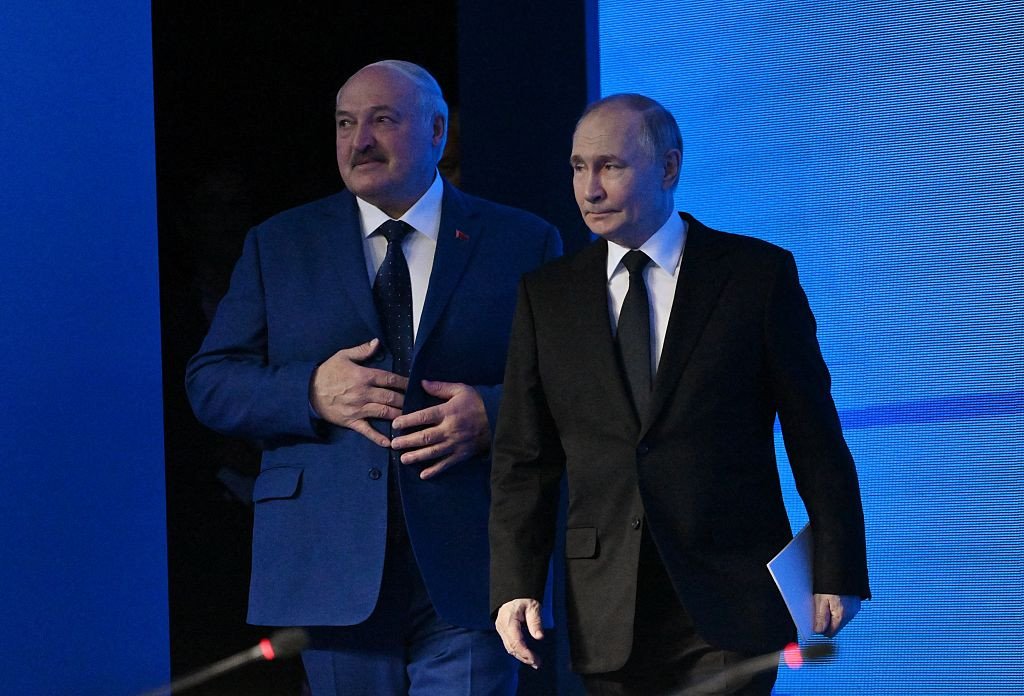
The Russian economy contracted in the first quarter of 2026, dragging the heavily dependent Belarusian economy down alongside it, risking stagflation, the Foreign Intelligence Service of Ukraine (SZRU) reported on May 15.
According to the intelligence assessment, Belarus’s economy shrank by 0.4% in the first quarter, while Russia’s declined by 0.3%. The contraction shattered optimistic start-of-year forecasts, which had predicted 2.8% growth for Minsk and 1.3% for Moscow.
We bring you stories from the ground. Your support keeps our team in the field.
The downturn was exacerbated by the Russian Central Bank’s aggressive fight against inflation, the SZRU noted. Recent hikes to the key interest rate have sharply increased borrowing costs for businesses and industries, stifling production within an already fragile economic environment.
Because Belarus is inextricably tied to the Russian market, it is absorbing the economic shockwaves with no independent exit strategy. Intelligence officials warn that Minsk’s ambitious five-year plan for 15% growth is now “fiction,” leaving the country facing stagflation—a destructive economic combination of falling production and rising consumer prices.
This directly impacts citizens' wallets. According to the SZRU, a standard basket of groceries in neighboring Poland was only 8% more expensive than in Belarus last year, compared to a massive 30% gap just a few years ago.
If the trend continues, the agency noted, Belarusian stores will soon become more expensive than Polish ones, even though the average gross monthly salary in Poland is roughly 177% higher than in Belarus (approximately $2,200 compared to just $794), according to wage.is.
Even if the Russian war against Ukraine concludes, deep structural problems will prevent a rapid Russian economic recovery, the intelligence report stated. Furthermore, the SZRU warned that post-war Russia will likely seek to extract resources from Belarus to sustain itself—draining Minsk’s human capital and pushing out local businesses in favor of Russian enterprises.
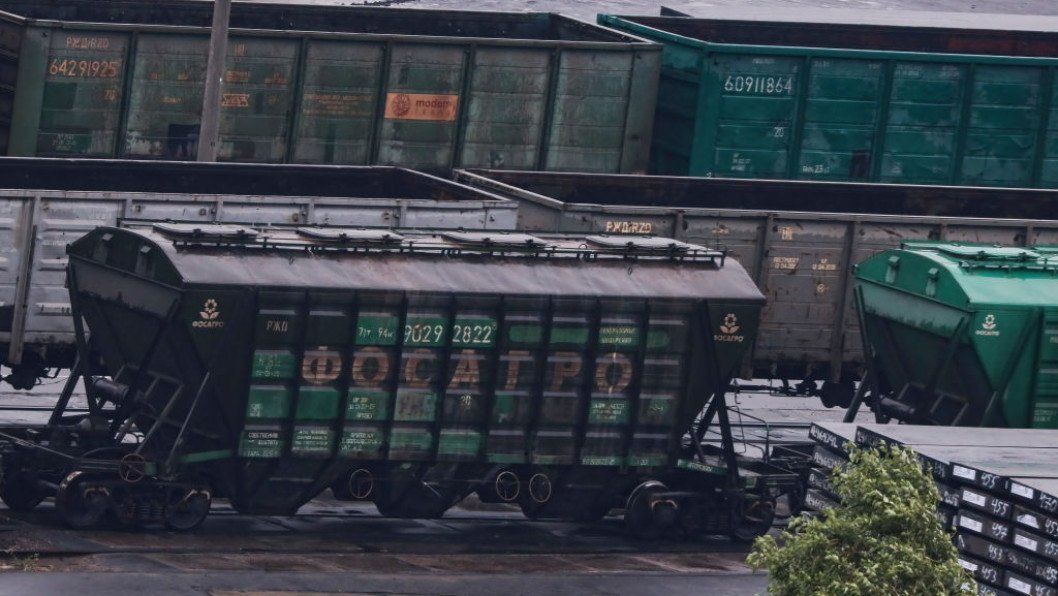
The structural economic issues cited by Ukrainian intelligence are reflected in a growing non-payment crisis within Russia’s domestic market, contributing to the Q1 contraction impacting Belarus.
By the end of January, overdue Russian business debts to suppliers and contractors had reached a record $109 billion—a 21% increase over the past year. Compounded by recent tax hikes and the Central Bank’s high interest rates, Russia’s manufacturing and trade sectors are experiencing significant debt accumulation, with systemic payment delays from state-owned corporations forcing smaller suppliers to operate at a loss.
Discuss this article:




-c439b7bd9030ecf9d5a4287dc361ba31.jpg "Photo of Katherina Popilnichenko")