- Category
- World
UK Plans Tougher Penalties Over Subsea Cable Sabotage Amid Rising Security Concern
 Prefer U24 Media on Google
- Authors

-c439b7bd9030ecf9d5a4287dc361ba31.jpg "Photo of Katherina Popilnichenko")
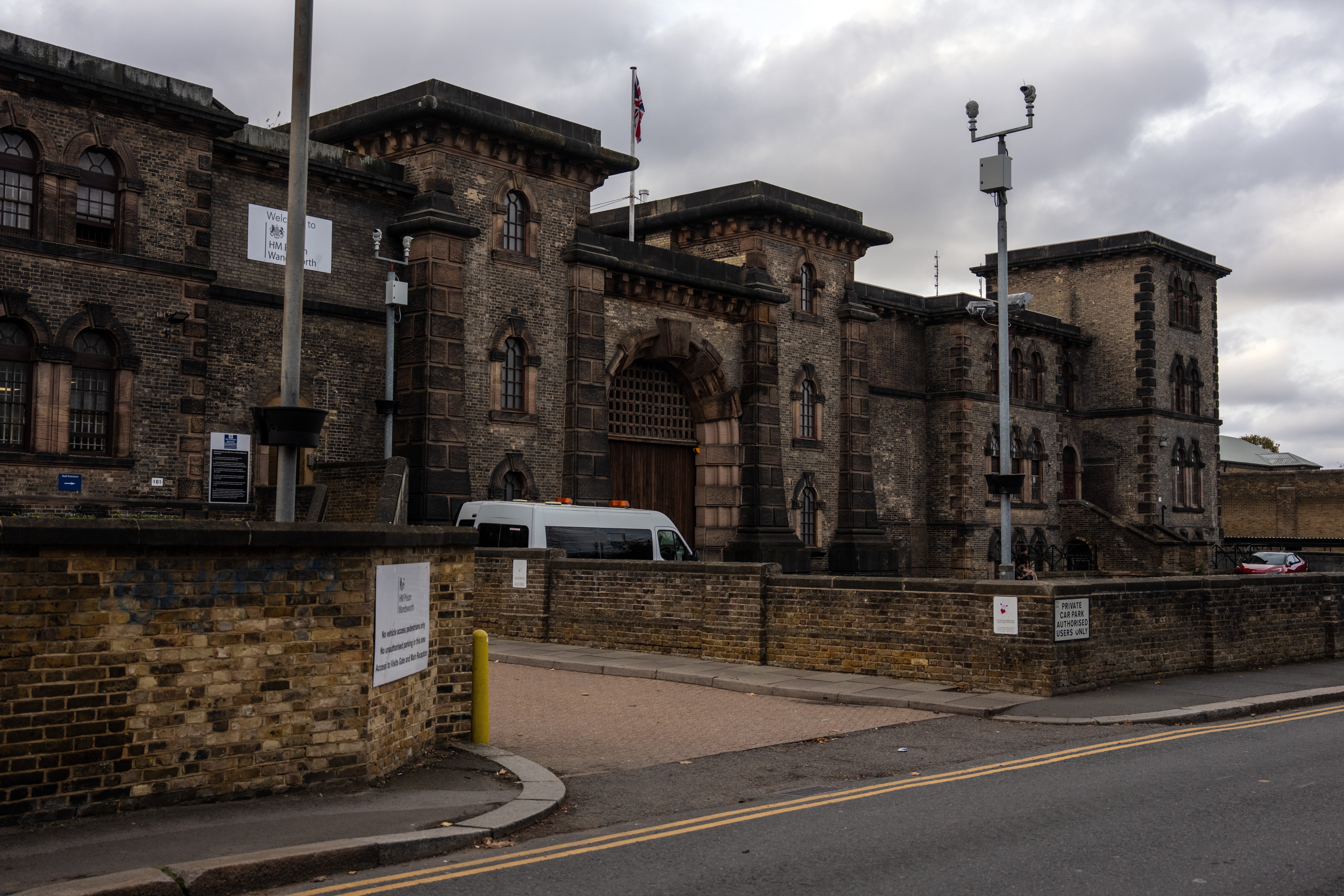
The United Kingdom is preparing to introduce stricter legal penalties, including potential prison sentences, for ship owners and operators whose negligence leads to the damage of subsea internet cables.
The measures aim to safeguard critical national infrastructure from sabotage, following recent intelligence about suspicious foreign activity, according to European Pravda on May 29.
We bring you stories from the ground. Your support keeps our team in the field.
Undersea cables are vital to the British economy, carrying more than 99% of international internet traffic and supporting daily financial transactions valued at over £1.4 trillion ($1.88 trillion), alongside essential telecommunications services.
Minister of State for Data Protection and Telecoms Liz Lloyd stated that current regulations, some of which date back more than 140 years, are insufficient to address modern security challenges.
Government officials believe that updating these laws will close existing legal loopholes, allowing for a more robust response to incidents and acting as a stronger deterrent against malicious actors. "In the face of growing hostile activity from Russia and other countries, protecting these cables is more important than ever for our economy, security, and everyday life," Lloyd remarked.
The government is currently coordinating with industry stakeholders to minimize accidental disruptions caused by commercial fishing or anchoring, which currently account for the vast majority of cable outages.

Furthermore, officials are evaluating the acquisition of a UK-flagged repair vessel to bolster the nation's response capabilities, with a final decision expected later this year.
These initiatives come amid a broader push to secure maritime assets following several suspicious incidents involving communication and energy cables in the Baltic Sea in recent years. In response to these regional threats, various NATO allies have established the "Baltic Sentry" mission, which performs regular patrols in critical sectors of the Baltic Sea to monitor and protect subsea infrastructure.
On April 10, British and Norwegian naval forces successfully intercepted and monitored three Russian submarines that were attempting to map critical underwater cables and pipelines in the North Atlantic.
During the month-long operation, allied aircraft and frigates tracked the Russian vessels, identifying two of them as specialized deep-sea units designed for operations at extreme depths. Ultimately, the allied forces forced the submarines to abandon their mission and leave the area, effectively deterring the threat to vital maritime infrastructure.
Discuss this article:





-72b63a4e0c8c475ad81fe3eed3f63729.jpeg "Photo of Cyril Barabaltchouk")