- Category
- World
Ukraine and Allies Launch New Measures to Return Children Abducted by Russia
 Prefer U24 Media on Google
- Authors

-c439b7bd9030ecf9d5a4287dc361ba31.jpg "Photo of Katherina Popilnichenko")
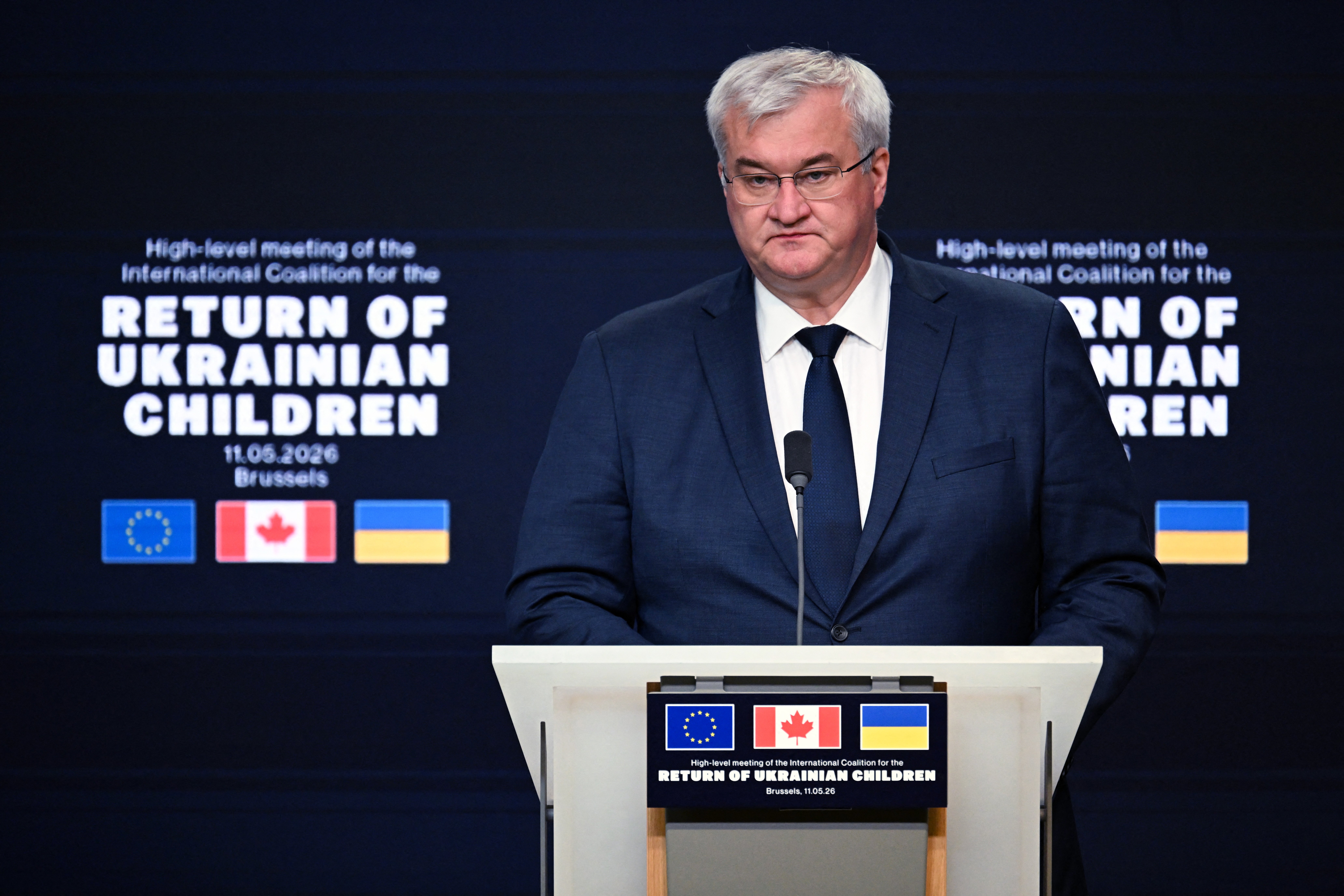
Ukrainian Foreign Minister Andrii Sybiha joined top officials in Brussels on May 11 for a high-level meeting of the International Coalition for the Return of Ukrainian Children.
Held on the sidelines of the EU Foreign Affairs Council, the event was organized by the European Union, Ukraine, and Canada to address the illegal deportation and forced displacement of children since Russia’s full-scale invasion of Ukraine.
We bring you stories from the ground. Your support keeps our team in the field.
The summit saw representation from 63 countries, including over twenty at the ministerial level. Key figures such as Canadian Foreign Minister Anita Anand, EU Diplomacy Chief Kaja Kallas, and EU Commissioner Marta Kos participated. The focus remained on coordinating a global response to track and recover children taken by the Russian Federation.
During his address, Sybiha made it clear that the return of these children is a fundamental requirement for any peace process. He stated that the fate of Ukraine’s youth is not open to negotiation or compromise. He also rejected any Russian attempts to treat children as chips in prisoner exchange lists, noting that their freedom must be unconditional.
“Russians are afraid of this topic and try to diminish it. They demand to remove it from the agenda, because they understand that they are committing a crime and fear justice,” Sybiha said.
The Foreign Minister expressed concern regarding the limitations of current international systems. While more than 2,000 children have been brought home, Sybiha noted that these successes often happened despite existing international mechanisms rather than because of them. He credited the work of Ukrainian state services and specific partners like Qatar, the United States, and the Holy See for the successful returns.
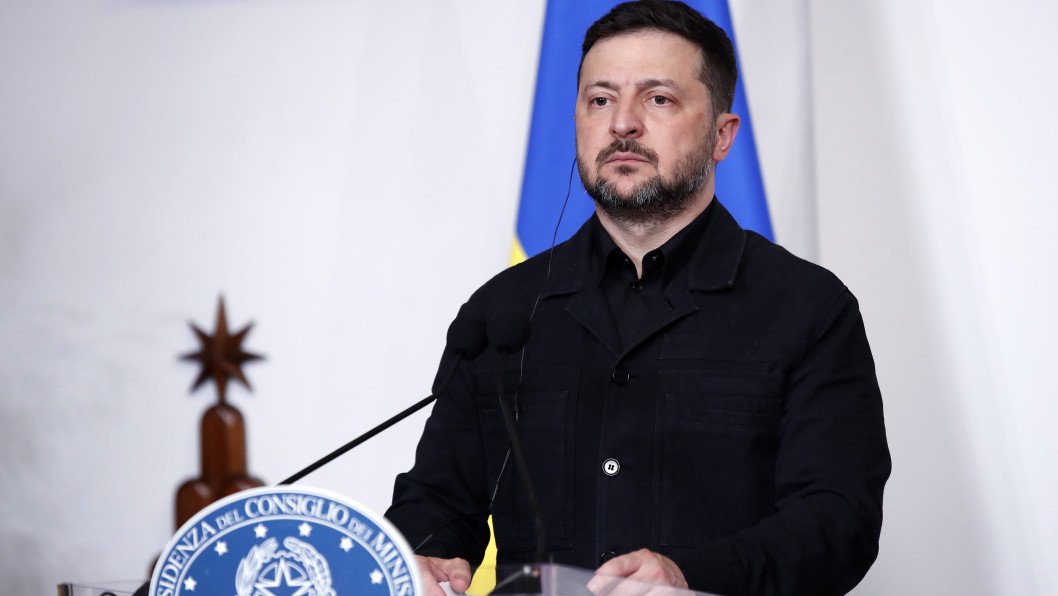
Sybiha urged the European Union to implement travel bans on Russian citizens involved in the deportation, indoctrination, and illegal adoption of Ukrainian children. He called for a concrete roadmap of action, including stronger support for reintegration and the enforcement of International Criminal Court warrants against Vladimir Putin and Maria Lvova-Belova.
In response, coalition members announced several new funding and sanction measures. The European Union pledged €50 million ($54.3 million) to strengthen child protection systems in Ukraine. Lithuania allocated €10 million ($10.8 million) to counter forced deportations, while Germany provided €1.4 million ($1.5 million) for social and psychological aid.
The United Kingdom, Canada, Norway, and the EU also expanded sanctions to include dozens of individuals and organizations linked to these crimes. The United Kingdom is directing £1.2 million ($1.5 million) toward the identification and return of children.
Canada’s support package includes 3.4 million Canadian dollars ($2.5 million) for the UN Human Rights Monitoring Mission in Ukraine, while Poland committed nearly €10 million ($10.8 million) to support Ukrainian refugees.
Additionally, Slovenia, Croatia, and Georgia announced plans for rehabilitation programs and summer camps for returned children.
Ukrainian Foreign Minister Andrii Sybiha met with his Lithuanian counterpart Kęstutis Budrys to sign a Joint Declaration that allocated €10 million ($10.8 million) toward the protection, return, and reintegration of Ukrainian children abducted by Russia.
During their meeting on May 11, the two diplomats also discussed defense cooperation, specifically focusing on the Ukraine-EU Drone Deal to strengthen European strategic autonomy. Sybiha formally offered Kyiv’s expertise to help bolster Baltic air defenses following recent Russian drone incidents and thanked Lithuania for its principled support regarding Ukraine’s accelerated path toward EU accession.
Discuss this article:
-9bd5e1532102621f8fb1c4ba871a3171.png)

-72b63a4e0c8c475ad81fe3eed3f63729.jpeg "Photo of Cyril Barabaltchouk")
-111f0e5095e02c02446ffed57bfb0ab1.jpeg "Photo of Roman Kohanets")