- Category
- World
Ukraine Is Teaching Europe the Hardest Defense Lesson—How to Build Fast and Big
 Prefer U24 Media on Google
- Authors


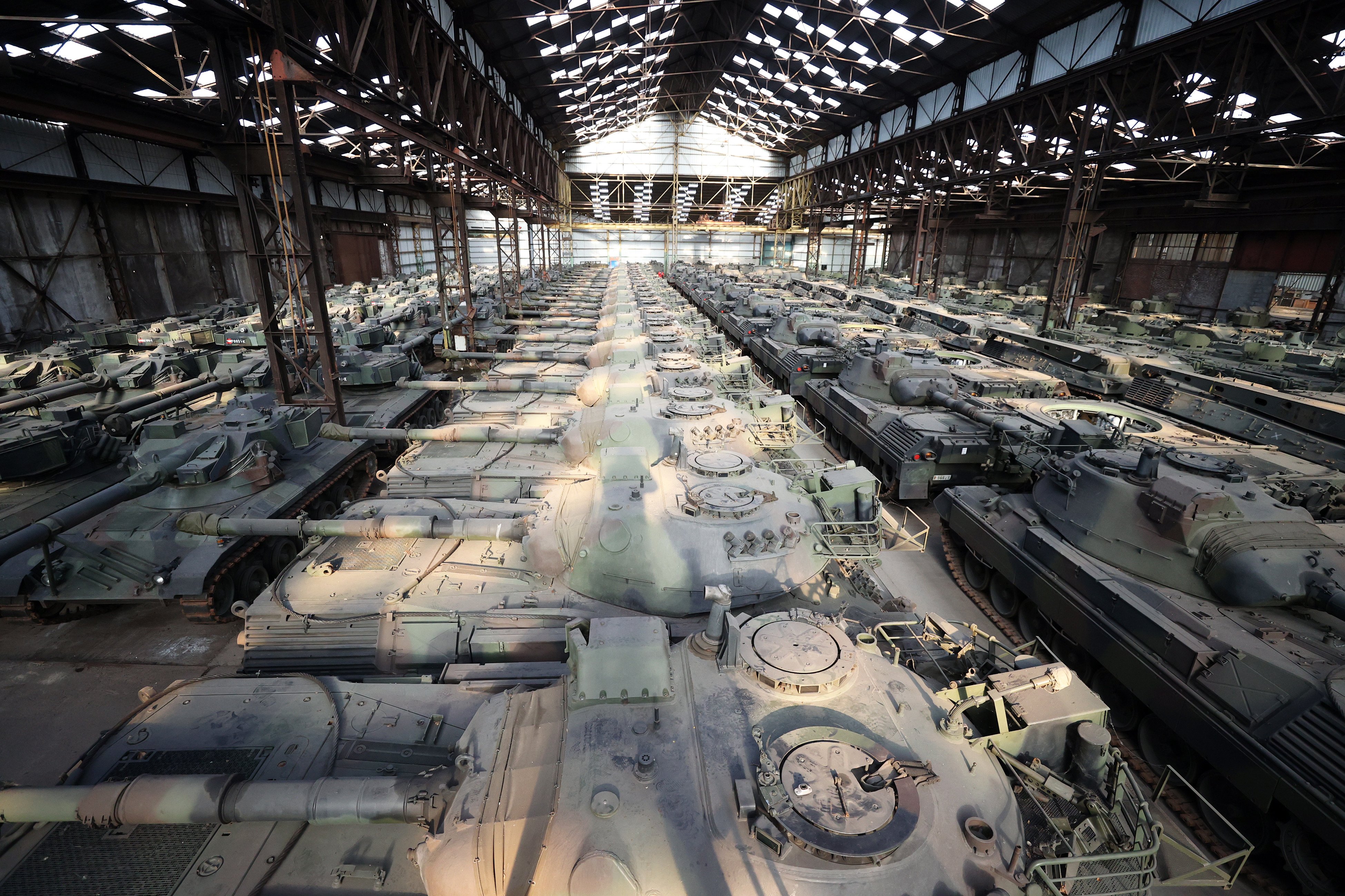
Europe does not just need more weapons. It needs to learn how to build them at wartime speed, and KNDS says Ukraine is already showing the model.
Europe’s biggest weakness in the defense industry is no longer just funding or technology, but the ability to produce weapons rapidly, affordably, and at scale, Marcel Grisnigt, Executive Vice President International Development, told UNITED24 Media in an exclusive interview at the GLOBSEC 2026 forum on May 21.
Grisnigt said Ukraine has shown what wartime production speed can look like, especially in unmanned systems, where Ukrainian teams have been able to design, adapt, and produce large numbers of affordable platforms far faster than most Western European defense manufacturers.
We bring you stories from the ground. Your support keeps our team in the field.
“I think the weakness, the keyword we just said, is speed and mass,” Grisnigt said. “And there also we can learn from Ukraine.”
According to him, Western Europe still struggles to match Ukraine’s pace and affordability in producing unmanned systems.
“If I see in what kind of speed and mass they can develop and produce [in Ukraine], we are not able yet in Western Europe to do it with the same speed and the same affordability. And we are neither creative, I think.”
Marcel Grisnigt
Executive Vice President International Development
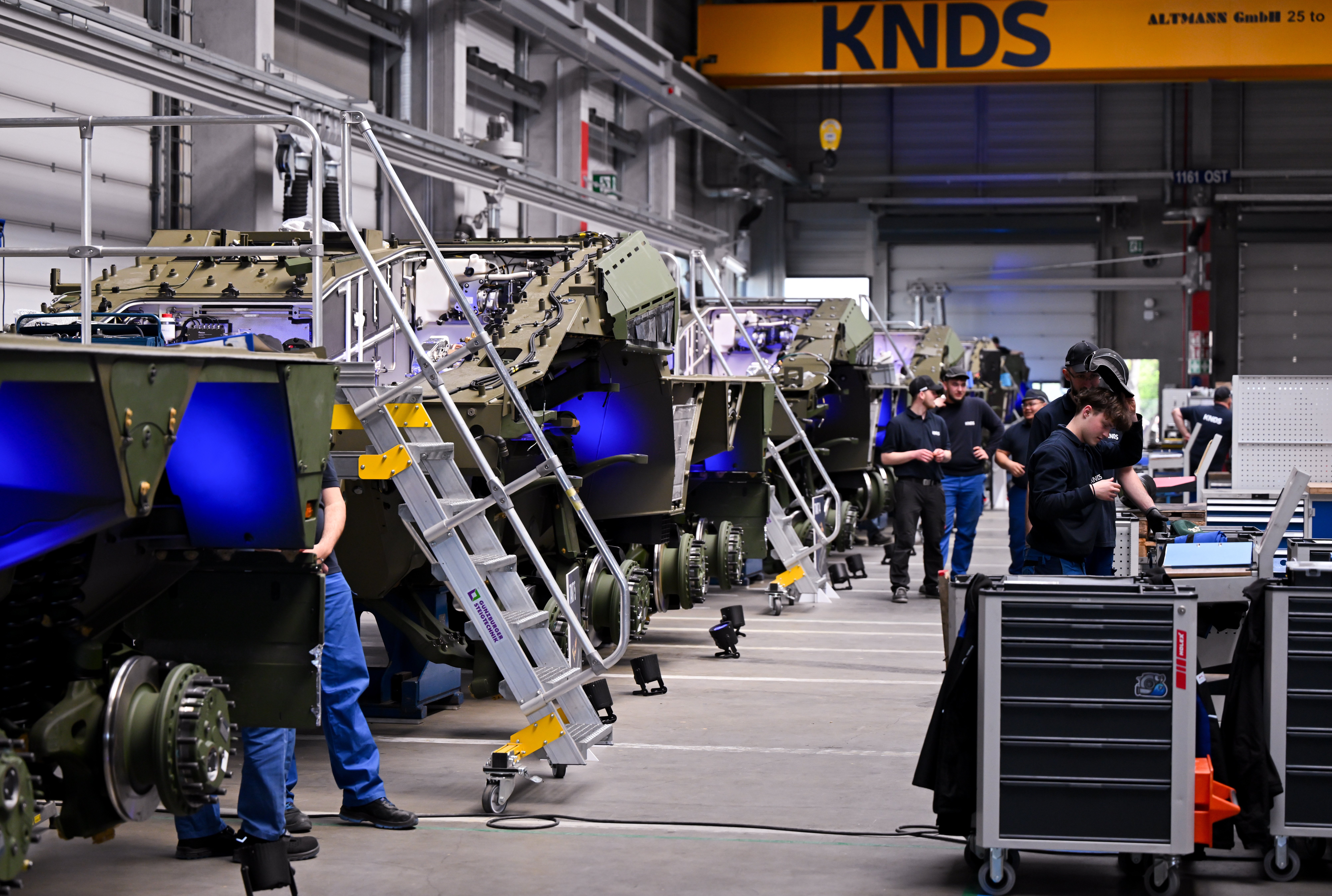
Grisnigt said KNDS has already started adapting to this reality by looking for faster alternatives to building entirely new factories from scratch.
Creating a new defense production site can take two to three years, he said, including construction, hiring, machinery installation, and making the site operational.
Instead, KNDS is increasingly looking at repurposing existing industrial facilities. Grisnigt cited the use of automotive industry capacity, including Draexlmaier, as one example.
Another is the acquisition of a former Alstom railway wagon company in Görlitz, which KNDS is converting into a defense production site within one year.
“There you see the difference between building something completely new, which takes three years, and now we have it operational in one year,” he said.
Grisnigt added that Europe must also become better at standardization if it wants to produce weapons in true mass quantities. The economic advantage of scale, he said, only works when manufacturers build the same systems repeatedly and simplify supply chains.
“You can only exploit the advantages of economy of scale if you make the same things,” he said. “Then you can make it affordable. Then you can make it affordable in your supply chain.”
For KNDS, the lesson is clear: Europe needs more defense production, but it also needs to build differently—faster, more creatively, and with Ukraine’s wartime industrial model as one of the key examples.
Previously, the Dutch startup Intelic announced the launch of Intelic BASE, a project designed to help defense departments acquire drones more efficiently. This platform addressed the fragmentation of defense procurement in Europe, which had slowed down deployment and limited transparency in weapon selection.
Conceptually, Intelic BASE followed the model of the Ukrainian Brave1 Market, functioning as a marketplace where manufacturers listed their drones with technical specifications and prices so that various defense departments could select the most suitable solutions.
Discuss this article:
-9a7b3a98ed5c506e0b77a6663f5727c5.png)


-c439b7bd9030ecf9d5a4287dc361ba31.jpg "Photo of Katherina Popilnichenko")

-72b63a4e0c8c475ad81fe3eed3f63729.jpeg "Photo of Cyril Barabaltchouk")