- Category
- World
Ukrainian Refinery Strikes Push Russia to Consider Lower Aviation Fuel Standards
 Prefer U24 Media on Google
- Authors


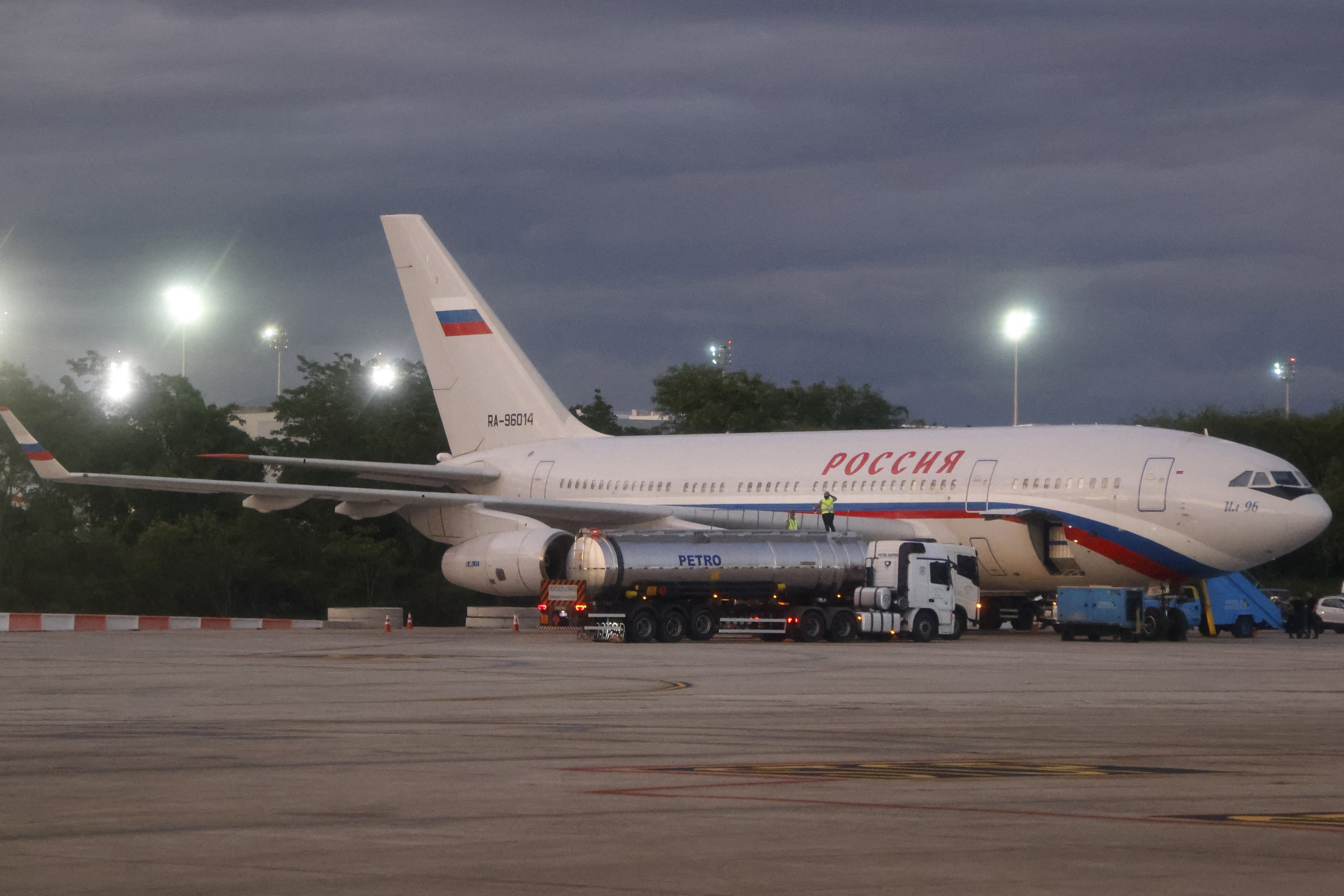
Russia is considering easing aviation fuel standards in an effort to increase production following Ukrainian strikes on the country’s oil refineries, Ukraine’s Foreign Intelligence Service (SZRU) reported.
According to the agency, Russia’s Transport Ministry has proposed allowing aviation fuel with a freezing point of up to minus 50 degrees Celsius, compared with the current requirement of minus 60 degrees Celsius. Under such conditions, fuel can begin to crystallize, potentially creating particles capable of obstructing the fuel system and disrupting the flow of fuel to aircraft engines.
We bring you stories from the ground. Your support keeps our team in the field.
The proposals also include permitting Russian-made anti-wear additives, using heavier crude oil, and increasing the proportion of synthetic components in aviation fuel.
Russian authorities are also considering allowing small and medium-sized businesses to enter aviation fuel production. Officials estimate that the measures could increase annual output by as much as 1.8 million tonnes.
The agency also said that new additives and components would require testing and could accelerate wear on aircraft parts. With Russia’s aviation sector already operating under sanctions, additional wear could increase maintenance costs and further complicate access to spare parts and aircraft repairs.
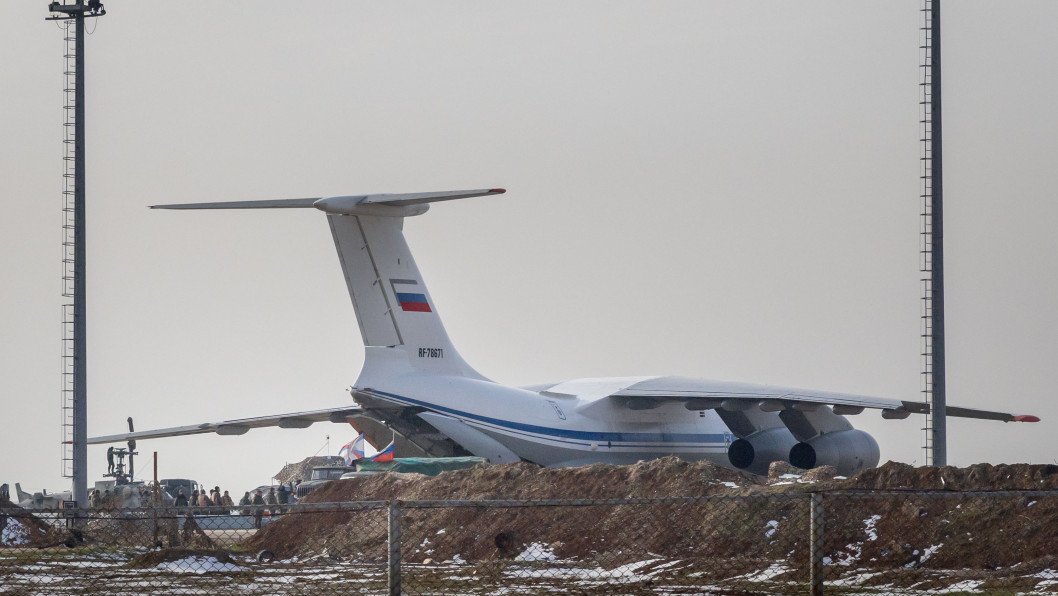
The proposed changes come as Russia seeks to maintain fuel supplies following Ukrainian attacks on its refining industry.
According to the SZRU, Moscow has previously responded to fuel-related pressures by relaxing quality requirements for gasoline. Russia allowed the production of Euro-2-standard fuel, a standard that had been prohibited in the country since 2013.
The agency said the move has created problems for owners of Chinese-made vehicles, including models produced by Haval, Chery, Geely, Changan, Exeed, Omoda, and Jetour, whose engines and fuel systems are designed for Euro-5 fuel. Sulfur levels permitted under the relaxed gasoline standard can be up to 50 times higher than those allowed under Euro-5 requirements, according to the intelligence service.

Russian vehicle repair shops have subsequently reported an increase in fuel-system-related complaints from one or two cases per week to between seven and 10, the SZRU said. Reported problems include loss of engine power and warning lights, while repairs to damaged fuel systems can impose substantial costs on vehicle owners.
Menawhile, Russia is also exploring alternative aviation fuels. In February, the country tested sustainable aviation fuel containing recycled cooking oil as part of an initiative aimed at reducing aviation-related carbon emissions.
The fuel, produced using complex esters and fatty acids, incorporated used cooking oil collected from the Russian restaurant chain “Vkusno—i tochka.” It was tested in a jet engine under conditions simulating several phases of flight, including takeoff, cruising, and landing.
Discuss this article:


-111f0e5095e02c02446ffed57bfb0ab1.jpeg "Photo of Roman Kohanets")


-72b63a4e0c8c475ad81fe3eed3f63729.jpeg "Photo of Cyril Barabaltchouk")