- Category
- Latest news
Russia Tests Jet Fuel Made From Frying Oil. Is This Its Aviation Future?
 Prefer U24 Media on Google
- Authors



Russia has tested aviation fuel made from recycled frying oil, Gazprom Neft reported, according to The Moscow Times on February 5
The fuel, developed using complex esters and fatty acids, includes used cooking oil sourced from the restaurant chain “Vkusno — i tochka .” The SAF fuel was tested on a jet engine, simulating various stages of flight, including takeoff, cruising, and landing. The initiative is aimed at reducing aviation's carbon footprint.
We bring you stories from the ground. Your support keeps our team in the field.
The testing confirmed the effective operation of the equipment and a reduction in environmental impact compared to conventional aviation fuel, Gazprom Neft stated. The results will contribute to the creation of a national standard for synthetic SAF components for aviation fuels.
Denis Demin, head of the Strategy, Innovation, and Sustainability Department at Gazprom Neft, explained that the company has been using “green fuel'“ for marine vessels for several years and that its application in aviation marks the next step toward decarbonization.
The project is being carried out in collaboration with various transport sector players, including Aeroflot. Industry experts estimate that the use of SAF fuel in aviation could cut greenhouse gas emissions by up to 80% compared to traditional fuels, The Moscow Times reported.

Irina Korshunova, senior director at “Vkusno — i tochka,” mentioned that the chain recycles about 6,000 tons of used frying oil each year, with the majority now being used in the production of biofuels.
The move comes amidst Russia’s dramatic decline in oil and gas revenues, which have plummeted by 50%, marking the largest drop in the Putin era. This sharp decline is putting additional strain on the country’s finances, exacerbating the challenges in sustaining its ongoing war effort.
In January 2026, Russia generated just $5.1 billion in oil and gas taxes, a stark 50% decrease compared to the same month in 2025. This drop marks the lowest revenue since July 2020 and now accounts for only 2% of Russia’s GDP—its lowest level during Putin's presidency.
The key mineral extraction tax (NDP) has plunged nearly 60% compared to January 2025, while export duties have dropped by 44%. The price of Russian Urals oil fell to $39 per barrel in December and $40 in January, well below the $59 assumed in the government's budget plan.
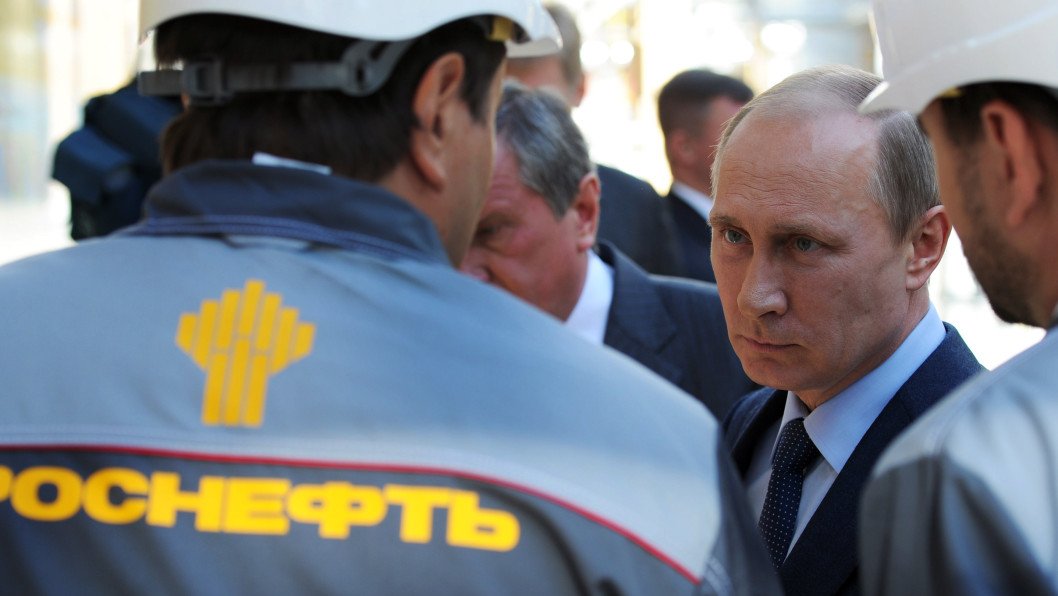
This sharp revenue decline comes amid international sanctions, with discounts on Russian oil reaching $27 per barrel, putting significant pressure on the country’s budget. The Russian government is preparing to cut oil exports to India by 30%, and analysts predict this could lead to a potential $131 billion increase in the 2026 deficit.
Earlier, it was reported that Russia is encountering mounting financial challenges in funding its war against Ukraine, with the escalating costs of aggression putting significant strain on state finances.
According to Bloomberg, the Russian government is bracing for a potential overshoot of its projected budget deficit in 2026, primarily due to skyrocketing defense spending and dwindling oil and gas revenues.
Discuss this article:
-4a56a6b482ec132402c16ef6fcabf9a2.png)