- Category
- World
US Lawmakers Ignore Moscow Invitations, Canceling Planned June Visit to Russia
 Prefer U24 Media on Google
- Authors

-72b63a4e0c8c475ad81fe3eed3f63729.jpeg "Photo of Cyril Barabaltchouk")
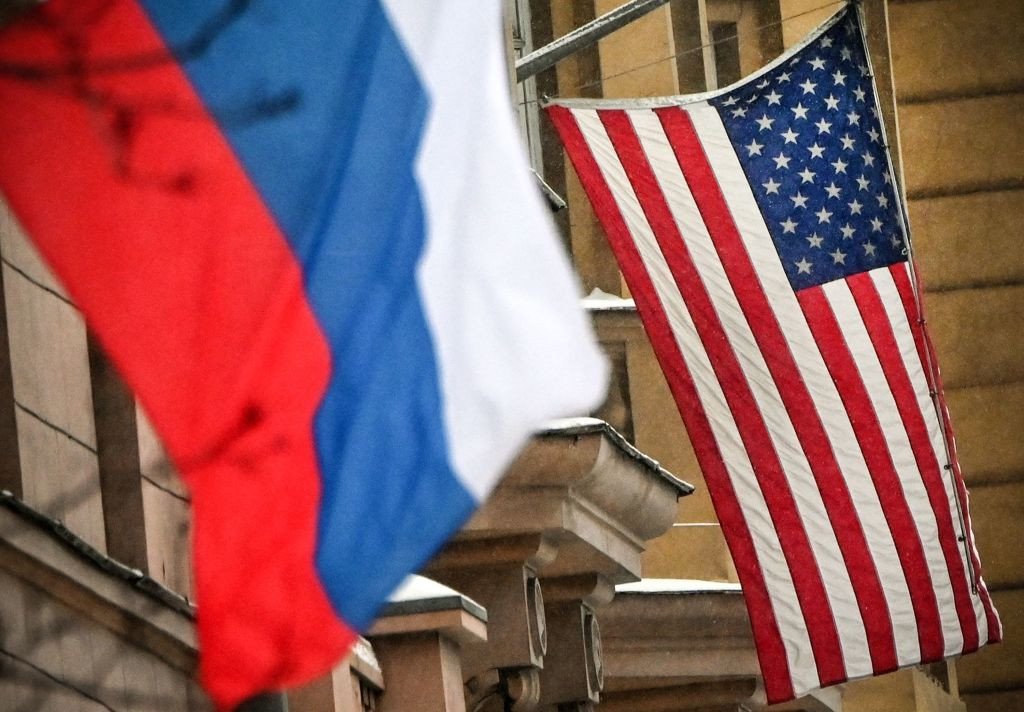
A planned official visit by US Congressmen to Russia this June has been effectively canceled after American lawmakers left formal invitations unanswered, The Moscow Times reported, citing statements made by Russian State Duma officials to the Russian state media on June 26.
The collapse of the reciprocal trip follows political fallout in Washington over a rare visit by a Russian State Duma delegation to the United States in March—the first such parliamentary exchange in 12 years. Russian officials had anticipated that a return delegation of US lawmakers would arrive in Moscow before the 250th anniversary of the United States independence on July 4, 2026.
We bring you stories from the ground. Your support keeps our team in the field.
Vyacheslav Nikonov, First Deputy Chairman of the State Duma Committee on International Affairs, noted that the Kremlin received total silence from Washington regarding the invitations, stating that with only two weeks left, it is obvious they are not coming, according to The Moscow Times.
Alexey Chepa, another First Deputy Chairman of the international affairs committee, noted that American lawmakers are currently unready for high-profile foreign visits to Moscow as they focus heavily on their own domestic agendas and the upcoming congressional midterm elections in November. In addition to skipping the trip, Chepa pointed out that US Congressmen failed to fulfill a previous commitment to establish an official parliamentary “friendship group” dedicated to maintaining communication links with the Russian legislature.
According to The Moscow Times, the hesitation among US lawmakers stems from the toxic political reception received by the organizers of the March bilateral meetings.
Republican Representative Anna Paulina Luna of Florida, who served as a primary coordinator for the Russian delegation’s visit to Washington, faced condemnation at home. The Democratic Congressional Campaign Committee (DCCC) explicitly accused her of advancing foreign adversaries' interests, with spokesperson Madison Andrus stating that Florida voters would gladly oust her if her true calling was acting as a “Russian minion,” The Moscow Times wrote.
-baa0e0384122de9dfb581a08fb937738.jpg)
The internal friction generated by inter-parliamentary contact has paralyzed diplomatic backchannels across the political spectrum. Former Republican Representative Adam Kinzinger denounced colleagues who participated in the March meetings as “traitors,” while Senators Roger Wicker and Jeanne Shaheen sent an urgent appeal to Secretary of State Marco Rubio and Treasury Secretary Scott Bessent. The Moscow Times wrote that they alleged Russian lawmakers used the trip to gather intelligence inside US state institutions.
Bilateral engagement has frozen because the domestic political environment has rendered direct contact highly litigious ahead of the midterm elections in the US. American affairs analyst Malek Dudakov explained to The Moscow Times that if a congressman attempts to maintain contact with Russia right now, it will be weaponized against them in the election campaign, characterizing the issue as a slippery and dangerous topic for candidates.
This legislative freeze is similar to a wider stagnation occurring within the executive foreign policy apparatuses of both nations. Russian Deputy Foreign Minister Sergei Ryabkov admitted that efforts to normalize diplomatic functions are experiencing severe friction, explaining that while they haven’t hit a wall, skidding is taking place, and every new step forward is achieved at the cost of significant effort, The Moscow Times reported.
Bilateral progress remains entirely dependent on geopolitical realities on the ground in Eastern Europe. According to political scientist Alexey Chernyaev, cited by The Moscow Times, negotiations initially sparked following the high-profile August 2025 summit between Russian leader Vladimir Putin and US President Donald Trump in Anchorage, which failed to yield tangible, long-term diplomatic breakthroughs.
Chernyaev concluded that the current gridlock could deepen significantly if Democrats perform well in the upcoming midterms, adding that any meaningful diplomatic warming between Washington and Moscow should only be anticipated after the war in Ukraine comes to an end.
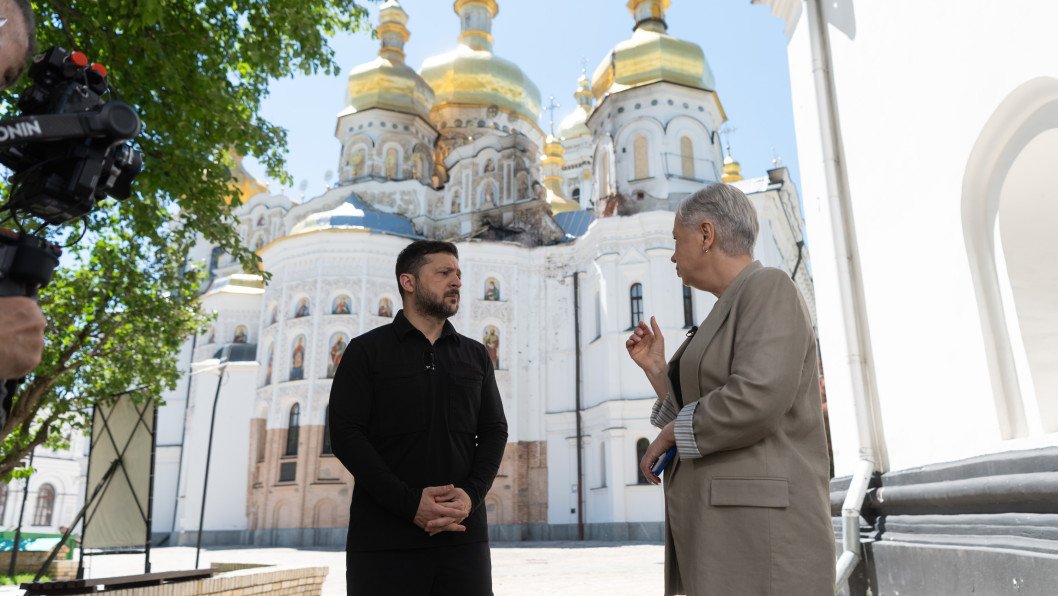
The freeze in parliamentary diplomacy coincides with a notable change in rhetoric from Donald Trump. The US administration recently offered a distinctly positive assessment of Kyiv’s defensive resilience, stating that leadership is successfully holding its ground.
“Zelenskyy is doing pretty well and holding his own. He’s doing pretty well,” Trump said.
Discuss this article:






-111f0e5095e02c02446ffed57bfb0ab1.jpeg "Photo of Roman Kohanets")