- Category
- World
US Plans First New Nuclear Warhead In Decades For Next Generation Submarines
 Prefer U24 Media on Google
- Authors

-c439b7bd9030ecf9d5a4287dc361ba31.jpg "Photo of Katherina Popilnichenko")
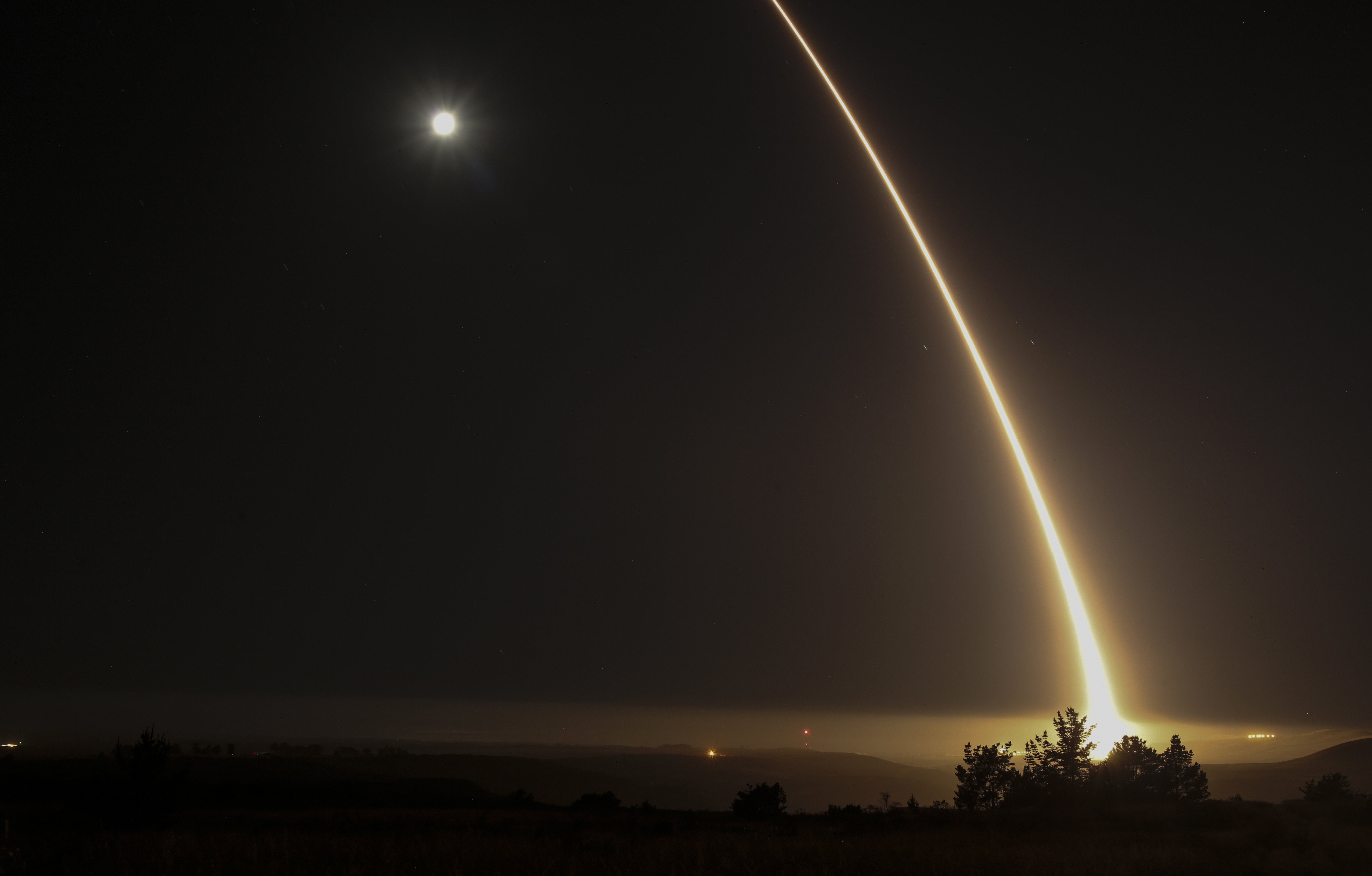
The United States has begun developing its first new nuclear warhead in nearly 40 years, collaborating with the Navy and the National Nuclear Security Administration (NNSA).
The new W93/Mk7 warhead is designed to replace aging elements in the current stockpile and will integrate with future submarine-launched missiles. This initiative is part of a major overhaul of the sea-based leg of the US nuclear triad. It aligns with the Navy’s transition from Ohio-class submarines to the next-generation Columbia-class vessels, according to Interesting Engineering on June 29.
We bring you stories from the ground. Your support keeps our team in the field.
Alongside the warhead development, efforts are underway on the Trident II D5 Life Extension 2 (D5LE2) ballistic missile. The current Trident II D5, which has been in service since 1990, is recognized as one of the most reliable submarine-launched missiles.
While a previous life-extension program has extended its service life into the 2040s, further upgrades are increasingly constrained by component aging and new requirements.
The upcoming D5LE2 is a hybrid design combining proven propulsion systems with upgraded avionics, guidance systems, and structures to counter evolving threats. The program entered its engineering and manufacturing development phase in 2025, with the first missiles scheduled to enter service in fiscal year 2039.
This modernization program is tied to the British Dreadnought-class submarines under long-standing strategic cooperation between the two nations. The upgrade plan was officially disclosed by the US Navy’s Strategic Systems Programs Procurement Analysis and Evaluation (PAE SSP) on June 25.

The modernization of the naval component is part of a broader upgrade across the entire US nuclear triad, which consists of land-based intercontinental ballistic missiles, strategic bombers, and submarine-launched missiles.
Submarines are considered the most survivable leg of the triad due to their ability to remain submerged and undetected for long periods. In preparation for the Columbia-class deployment, the Navy is investing heavily in infrastructure.
A land-based strategic weapon systems test facility achieved full operational capability at the end of 2024, while production capacities are being expanded at facilities in Florida, Georgia, and Washington to support the D5LE2 program. Beyond ballistic missiles, the PAE SSP is working on advanced systems, including the Conventional Prompt Strike hypersonic weapon and the sea-launched cruise missile SLCM-N.
Previously, the United States recorded the largest increase, raising its nuclear weapons spending by 22% to a total of $69.2 billion, which was more than all other nuclear-armed countries combined.
Meanwhile, the United Kingdom increased its spending by 17% to $12.6 billion, and France raised its nuclear budget by 8% to $7.7 billion. Together, these three Western nuclear powers spent $89.5 billion on nuclear weapons, outspending Russia’s $9.5 billion by 9.4 times, as Moscow primarily focused its military budget on its aggression against Ukraine.
Discuss this article: