- Category
- World
US Reverses Deal to Station Precision Tomahawk Missiles in Germany Amid Russian Escalation Fears
 Prefer U24 Media on Google
- Authors

-72b63a4e0c8c475ad81fe3eed3f63729.jpeg "Photo of Cyril Barabaltchouk")
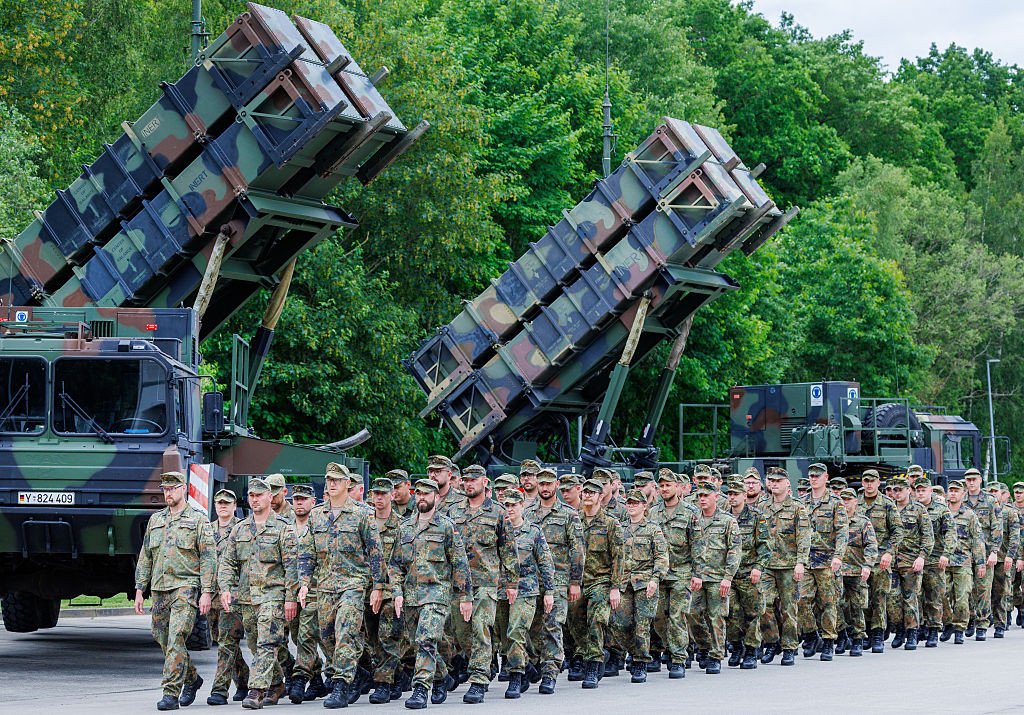
The Pentagon is expected to cancel a long-planned agreement to deploy Tomahawk cruise missiles to Germany, driven by administrative concerns over potential Russian retaliation and a depleted American weapons stockpile, Politico reported on June 4.
The startling policy reversal upends a close-knit defense partnership negotiated during the previous US administration. Washington fears that deploying the precision, long-range missiles in Central Europe would be viewed by Moscow as an overt escalation.
We bring you stories from the ground. Your support keeps our team in the field.
However, walking back the delivery leaves Berlin exposed without the conventional deep-strike capabilities German leaders argue are desperately needed to counter regional aggression.
The anticipated cancellation coincides with an American military retrenchment from the NATO alliance. The Pentagon recently canceled the deployment of 5,000 US troops to Germany, lowering troop levels to pre-Ukraine war figures, and signaled upcoming reductions in fighter jets, drones, and naval units across Europe.
Politico reported that NATO’s top commander stated the shifts are meant to give allies the clarity needed to assume primary responsibility for Europe’s conventional defense as the US refocuses its resources elsewhere.
-16518a8b24b3006e1cf7506eb20dbef5.png)
Alongside fears of escalation, the reversal is heavily influenced by a shrinking US weapons stockpile, according to Politico. The US consumed thousands of Tomahawk and Patriot missiles during the opening weeks of the war with Iran, and US Defense Secretary Pete Hegseth recently informed Congress that replacing the expended munitions will take months or even years.
German Chancellor Friedrich Merz previously acknowledged the likelihood of the setback, noting that the United States currently lacks sufficient cruise missile inventory for its own defense needs.
German Defense Minister Boris Pistorius also confirmed that Berlin’s year-and-a-half-old official request to purchase the Tomahawk-launching Typhon ground-based missile system has yielded no updates from Washington, Politico noted.
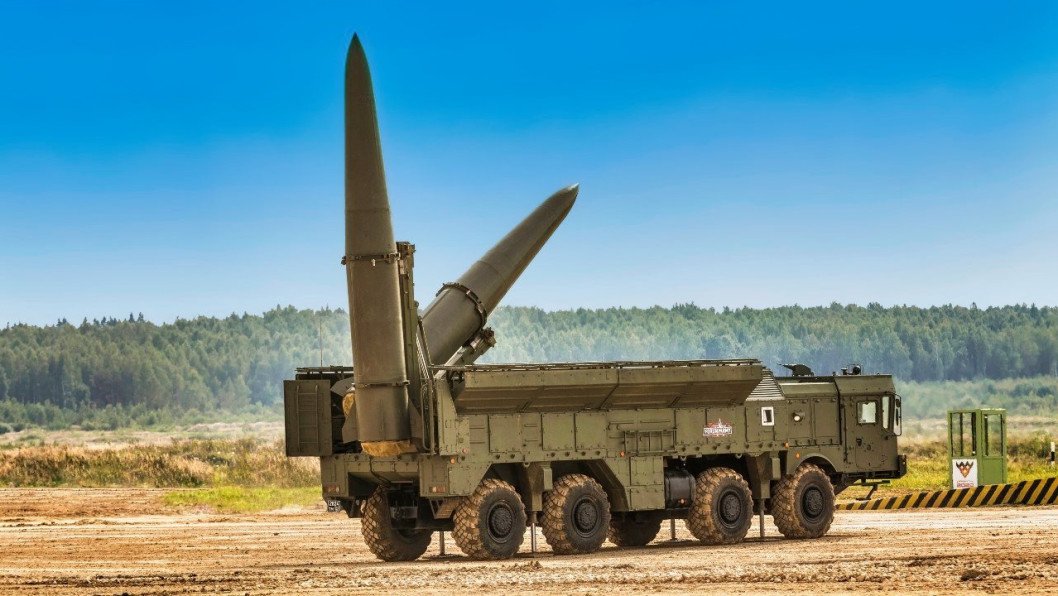
The sudden American pullback leaves Europe to contend with an intensifying security landscape on its doorstep, Politico writes. Russian forces have deployed nuclear-capable Iskander missiles to the Kaliningrad exclave and stationed medium-range Oreshnik missiles in Belarus, capable of striking European targets within minutes.
In response, German defense planners are scrambling to evaluate domestic and European alternatives to fill the long-range precision-strike gap. However, experts cited by Politico warn that cheaper drone technologies cannot easily replace Tomahawk-class cruise missiles.
This localized approach echoes a strategic realignment in Washington’s defense policy, as critical munitions shortages force European allies to expand their own manufacturing capabilities.
Following stockpile depletions from the wars in Ukraine and Iran, the US State Department had recently granted Poland preliminary approval to produce advanced PAC-3 MSE missiles for Patriot systems domestically. The technology-sharing agreement aims to relieve massive pressure on American defense contractors while significantly bolstering NATO's eastern flank.
Discuss this article:


-c439b7bd9030ecf9d5a4287dc361ba31.jpg "Photo of Katherina Popilnichenko")