- Category
- World
Western Sanctions and Tanker Shortages Stall Massive Indonesian Plan for Russian Oil
 Prefer U24 Media on Google
- Authors

-72b63a4e0c8c475ad81fe3eed3f63729.jpeg "Photo of Cyril Barabaltchouk")
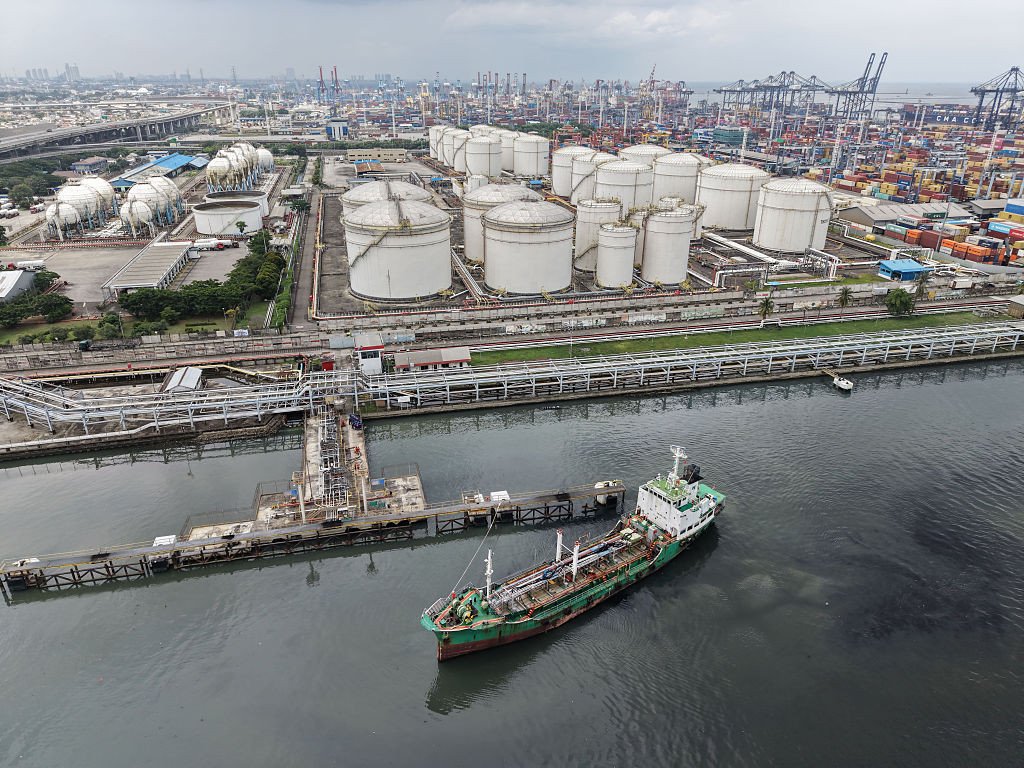
Indonesia is developing a specialized regulatory framework to facilitate the purchase of 150 million barrels of Russian crude oil this year. Still, the plan is already facing significant setbacks, Reuters reported on May 22.
Despite the government’s ambitious goal, current shipping data indicates that only a single cargo has reached the Southeast Asian nation so far.
We bring you stories from the ground. Your support keeps our team in the field.
The import initiative was announced last month following a high-level meeting between Indonesian President Prabowo Subianto and Russian leader Vladimir Putin in Moscow. The proposed deal serves as a primary component of Jakarta’s broader strategy to offset global oil shortages triggered by the ongoing Iran war, Reuters wrote.
Market observers consider the 150-million-barrel target to be highly ambitious. To meet this goal between mid-year and the end of January, Indonesia would need to receive approximately 700,000 barrels per day.
Oil traders told Reuters that because Russia already exports about 5 million barrels per day—predominantly to India and China—diverting such massive volumes to a new buyer could prove logistically difficult.
Currently, no specific company has been appointed to handle the imports, and the government has not provided a firm timeline for the deliveries.
Senior Indonesian energy ministry official Laode Sulaeman explained the regulatory hurdles to reporters this week, stating, “Pertamina has global bonds and it has to avoid things that can violate the terms of their global bonds. That’s why we are in the process of coming up with a scheme,” Reuters wrote.
When asked about the status of the plan, Pertamina spokesperson Muhammad Baron stated, “The entire process will be carried out in accordance with government directives, while prioritising the principles of good corporate governance and applicable regulations”.
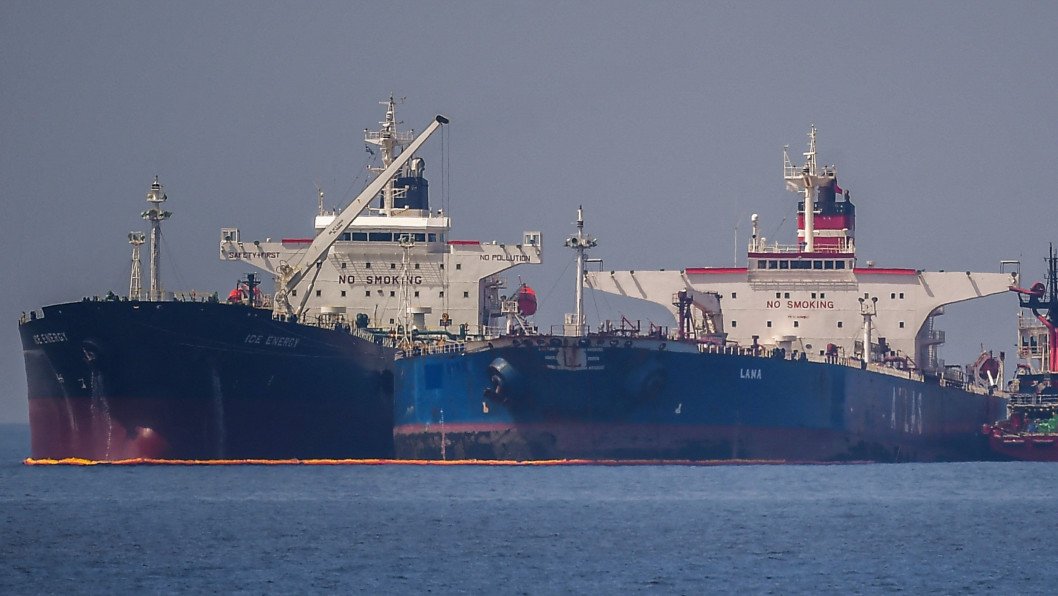
However, traders informed Reuters that limited tanker availability due to Western sanctions against Russia and the vast shipping distances involved will make these deliveries both complex and costly. Shipping data reviewed by the news agency showed no upcoming direct crude shipments, with Kpler data confirming the only recent delivery was an Arctic Novy grade cargo that arrived on April 21.
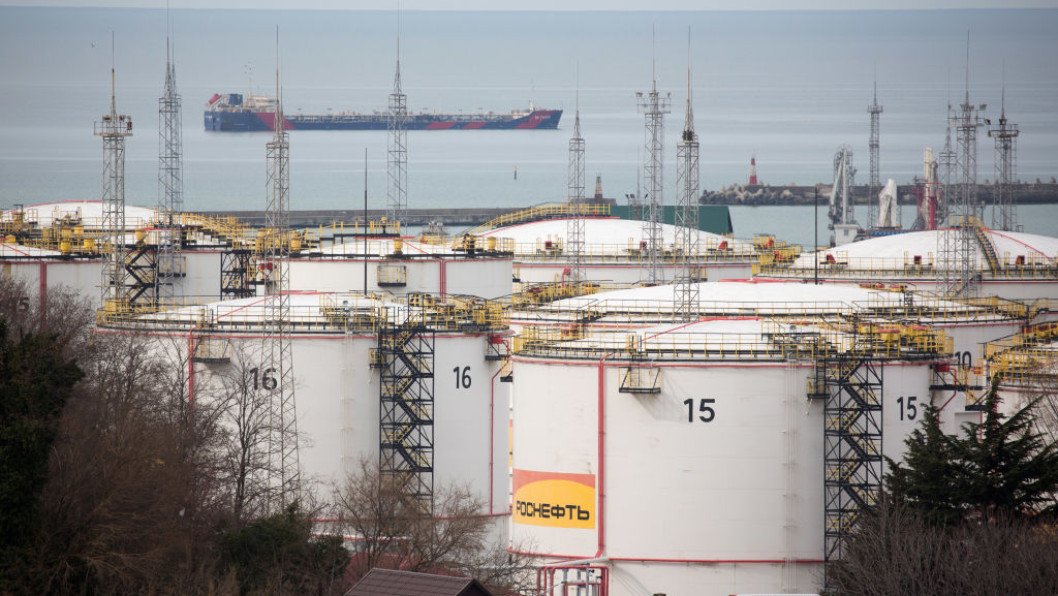
To ensure domestic supply security, government officials have confirmed that Indonesia—which typically imports around 1 million barrels per day—will continue seeking additional crude supplies from other international partners, including the United States, regardless of whether the massive Russian deliveries fully materialize, Reuters reported.
The ambitious oil import plan aligns with a strategic strengthening of bilateral ties between Moscow and Jakarta. A Russian naval detachment—including a missile corvette and a Kalibr-capable submarine— had recently arrived near Jakarta in a move aimed at boosting defense cooperation.
The naval visit coincided with renewed Russian interest in securing access to an Indonesian airbase for strategic aviation. This deepening military and economic relationship follows Indonesia’s entry into the BRICS economic bloc in early 2025.
Discuss this article:



-c439b7bd9030ecf9d5a4287dc361ba31.jpg "Photo of Katherina Popilnichenko")

-111f0e5095e02c02446ffed57bfb0ab1.jpeg "Photo of Roman Kohanets")

-a1738cb523135070a26ed61c09a8eb5e.jpg "Police stand in front of the Russisches Haus in Berlin, Germany. (Source: Getty Images)")