- Category
- Latest news
After 16 Years in Lebanon, Indonesia Replaces Russian APCs With Modern Czech Vehicles
 Prefer U24 Media on Google
- Authors


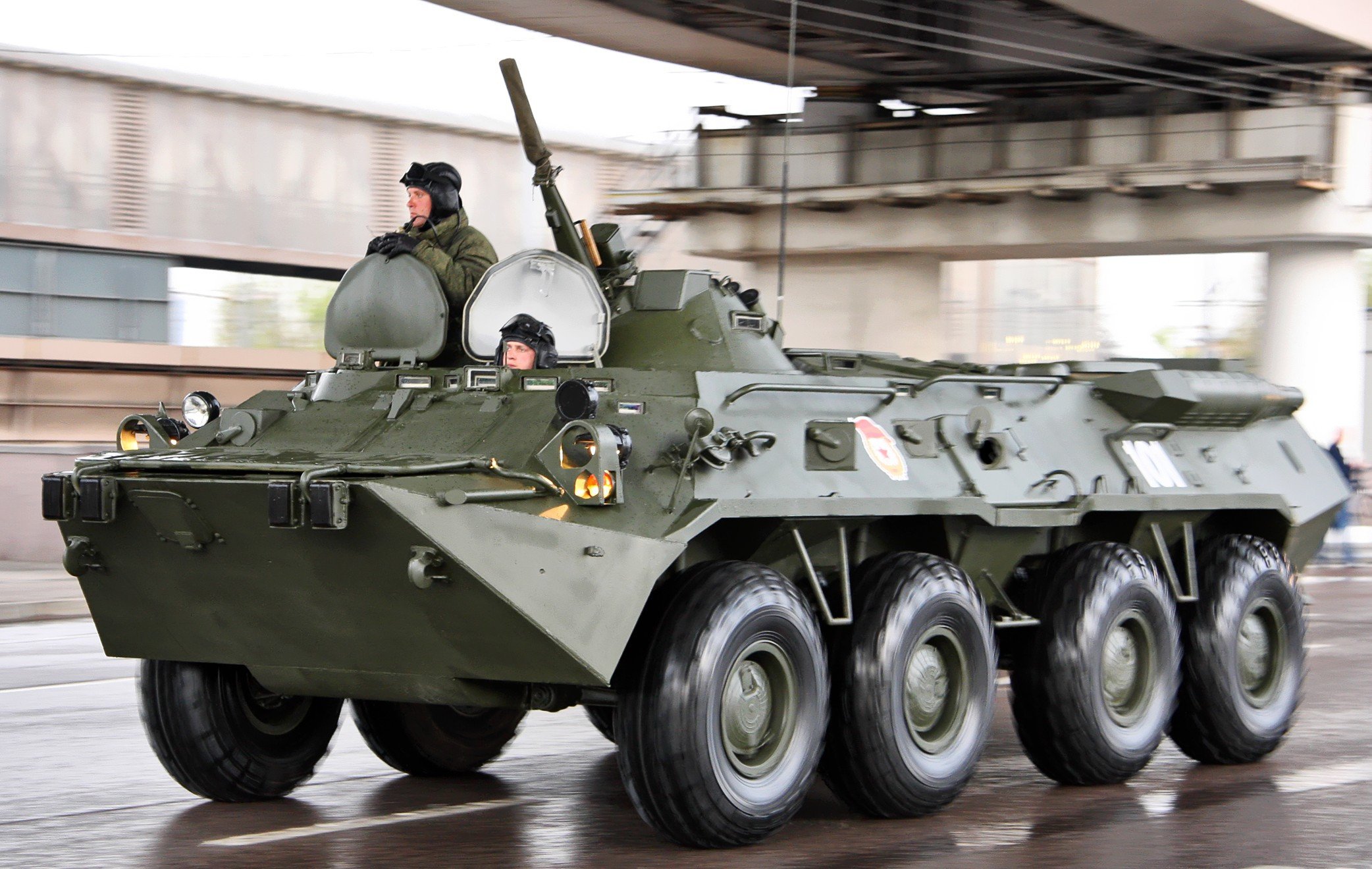
Indonesia has retired its “peacekeeping” Russian BTR-80A armored personnel carriers, replacing them with Czech-made Pandur 8×8 vehicles, according to military analyst JATOSINT on X on November 11.
Twelve BTR-80As from the Indonesian Marine Corps returned home after roughly 16 years of service in Lebanon as part of a UN peacekeeping mission. The vehicles are now stationed at the 1st Marine Cavalry Regiment base in Jakarta.
The Russian APCs have been replaced by modern Czech Pandur 8×8s. The future of the BTR-80As remains unclear; they may be scrapped or sold to a third country.
Their role within the 🇮🇩 UNIFIL Contingent was replaced by Pandur:https://t.co/hDGyMITI9a
— JATOSINT (@Jatosint) November 10, 2025
Indonesia originally purchased the 12 vehicles in 2000. A planned follow-up contract for 20 additional units was canceled in favor of the APS-3 Anoa, according to Militarnyi.
The BTR-80A entered service in 1994. This variant is armed with a 30mm 2A72 autocannon and a 7.62mm PKT machine gun mounted in a new turret configuration, and it effectively served as the foundation for the later BTR-82A.
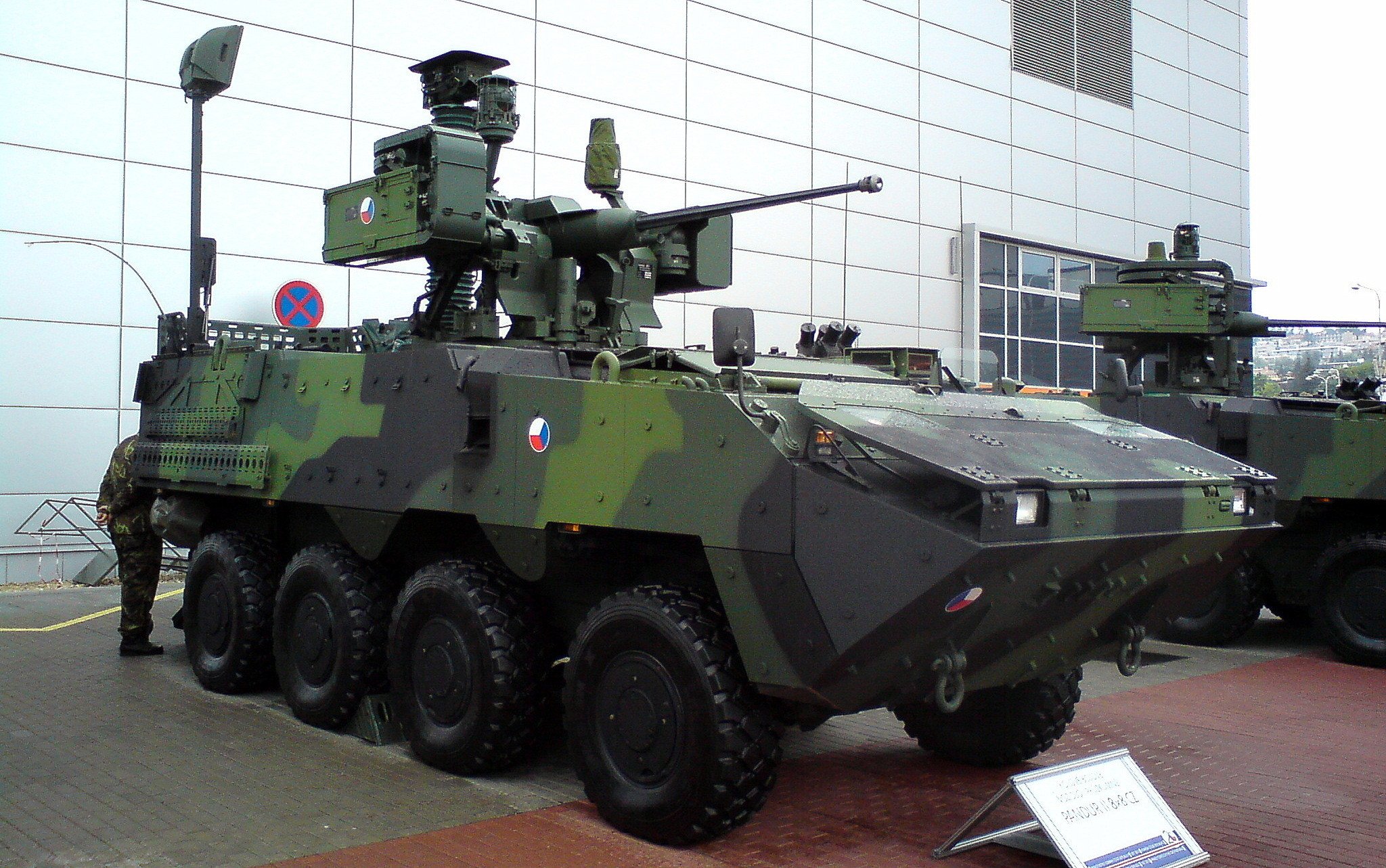
Indonesia’s acquisition of Czech Pandur APCs was first reported in 2020, with an initial order of 23 vehicles. Under the agreement, Czech defense exporter Excalibur Army, part of the Czechoslovak Group (CSG), shipped Pandur II vehicle kits produced by TATRA Defense Vehicle to Indonesia. Final assembly of the armored personnel carriers was completed locally at PT PINDAD.
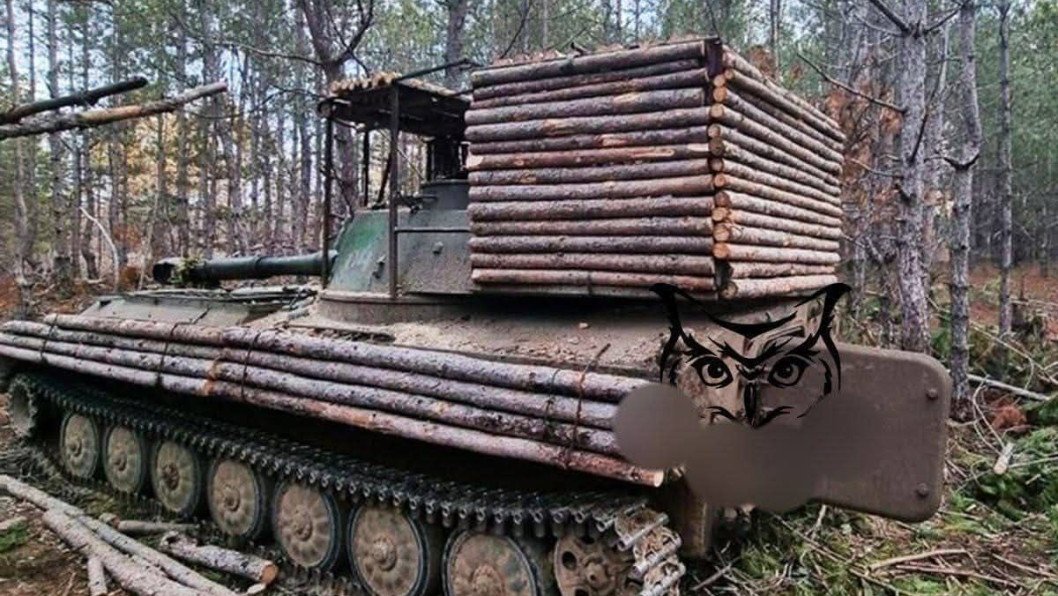
Previously, it was reported that Russia’s long-awaited active protection system for tanks and armored vehicles continues to struggle with technical issues—particularly against modern drones—despite decades of development, according to Defence Blog on November 7.
Russian military analyst Viktor Murakhovsky said that Moscow’s flagship Arena-M APS still suffers from “fundamental” radar and software flaws that hinder its ability to reliably detect and counter small aerial threats, including FPV drones and loitering munitions.
Discuss this article:
-8321e853b95979ae8ceee7f07e47d845.png)


-c439b7bd9030ecf9d5a4287dc361ba31.jpg "Photo of Katherina Popilnichenko")