- Category
- Latest news
Production of Russia’s BTR-82 Hits Soviet-Era Scale
 Prefer U24 Media on Google
- Authors


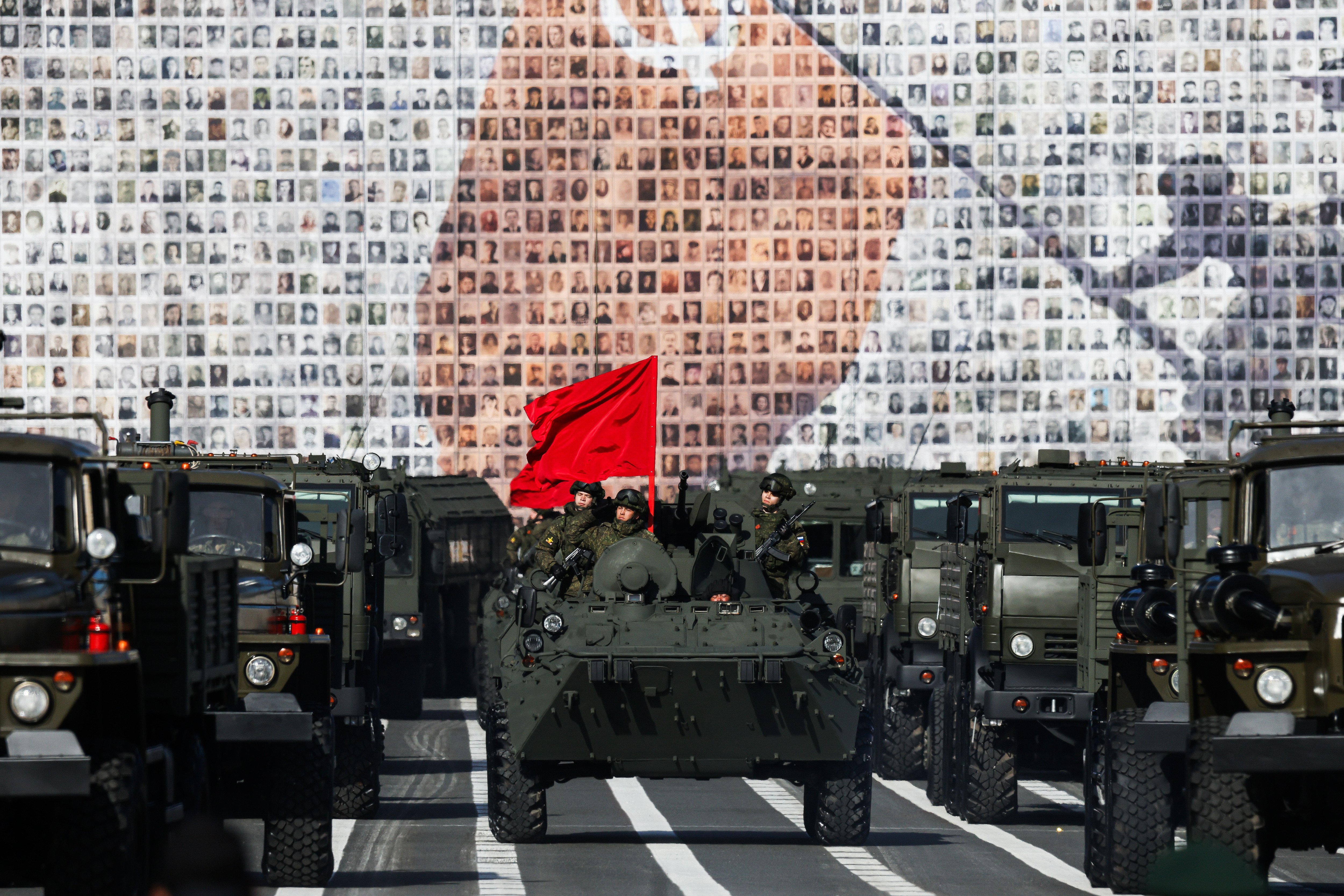
Russia has significantly increased the production of its BTR-82 armored personnel carriers (APCs), signaling a large-scale shift toward Soviet-style mass manufacturing of military vehicles.
According to OSINT analyst Jompy on X, Russian defense plants are now capable of producing between 500 and 700 BTR-82 units annually.
If anyone still doubts Russia keeps manufacturing BTR-82s and at a steady rate, they just have to look at the constant number of destroyed BTR-82s. Armazas really doing a huge job. https://t.co/N18tvyUTQa
— Jompy (@Jonpy99) October 31, 2025
The observation aligns with battlefield data showing a growing presence of this model among destroyed Russian vehicles, while older BMP-1s have almost disappeared from the loss reports.
According to the analyst, Russia had limited stocks of BTR-80s prior to the full-scale invasion, making it unlikely that the current BTR-82 fleet is based on refurbished vehicles. Instead, Moscow appears to be manufacturing them from the ground up—an indication of the broader militarization of its economy.
The BTR-82 is a wheeled armored personnel carrier derived from the Soviet-era BTR-80 but extensively modernized. It is designed to transport motorized infantry units, provide fire support, and perform reconnaissance missions. Serial production began in 2011, but output has sharply accelerated in recent years.
-b938c3e018317efa33c99ba97c548307.jpg)
The upgraded model features a more powerful engine and transmission, improved armor protection, and a modern fire-control and navigation system.
The vehicle can cross water obstacles without prior preparation and now includes rear doors for troop deployment, improving survivability under fire.
Standard protection shields the crew from small-arms fire and shrapnel, while optional anti-fragmentation screens can be added. However, the BTR-82 remains vulnerable to modern anti-tank weapons and heavy artillery.
Earlier in October 2025, Russia began deploying upgraded BMPT “Terminator” vehicles to the battlefield in Ukraine, featuring reinforced armor, electronic warfare systems, and counter-drone measures. The move reflects Moscow’s shift toward survivability-focused platforms amid mounting armored losses.
Discuss this article:

-72b63a4e0c8c475ad81fe3eed3f63729.jpeg "Photo of Cyril Barabaltchouk")
-111f0e5095e02c02446ffed57bfb0ab1.jpeg "Photo of Roman Kohanets")
-e88c01988249cd60b6f04f79d29156b7.jpeg "Damage to “Cosmogony,” the largest painting in Ukraine, following a Russian drone attack on Lutsk on October 13, 2026. (Source: @sashyyna/Instagram)")