- Category
- World
What Are Lindsey Graham’s “Sanctions From Hell”? The US Bill to Cut Russia’s Biggest Source of War Funding
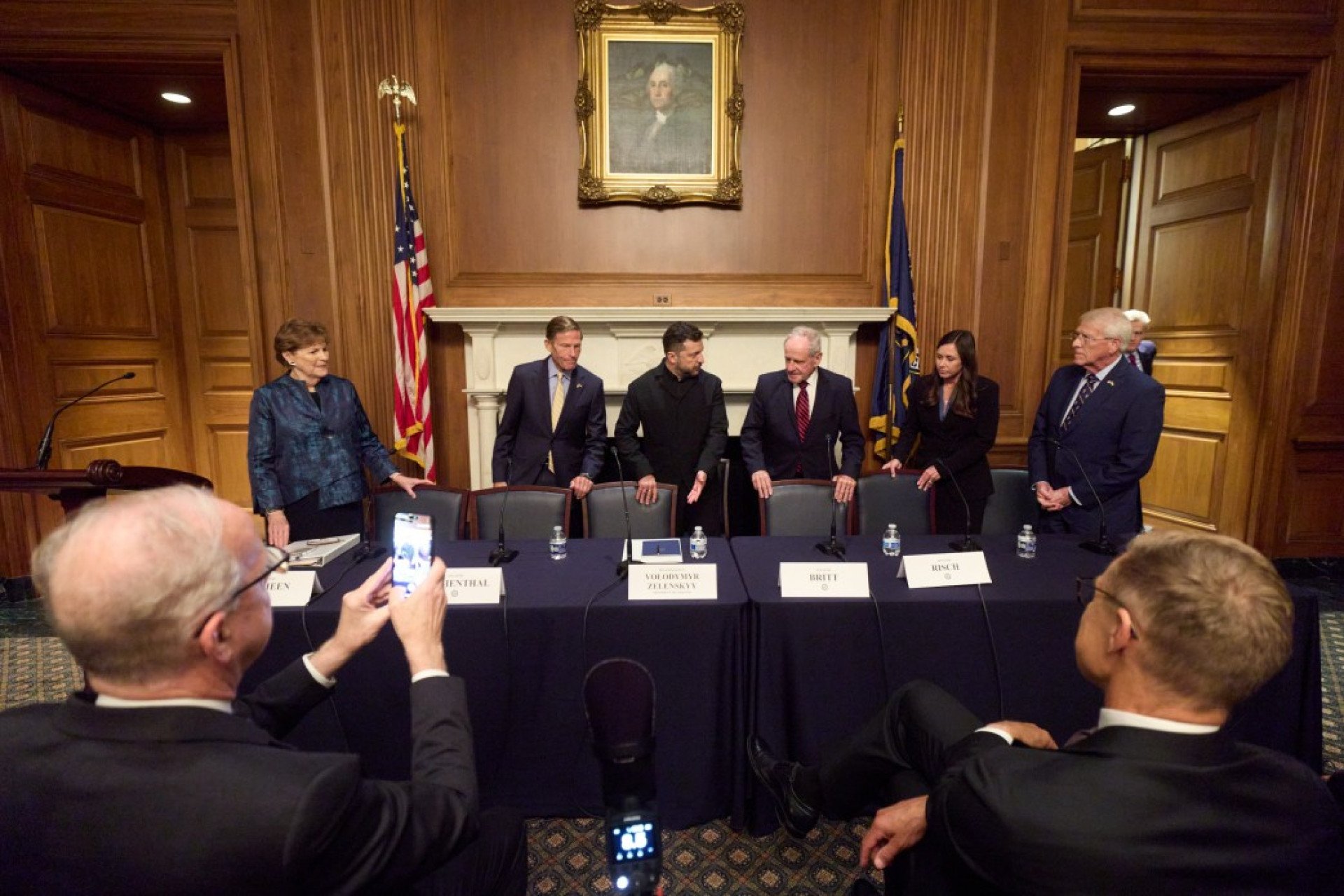
The late US Sen. Lindsey Graham championed a bipartisan sanctions bill designed to strike at Russia’s source of revenue: energy exports. Now, after the Senate overwhelmingly voted to advance the legislation, his so-called “sanctions bill from hell” is a step closer to becoming law.
 Prefer U24 Media on Google
- Authors

-605be766de04ba3d21b67fb76a76786a.jpg "Joseph Place")
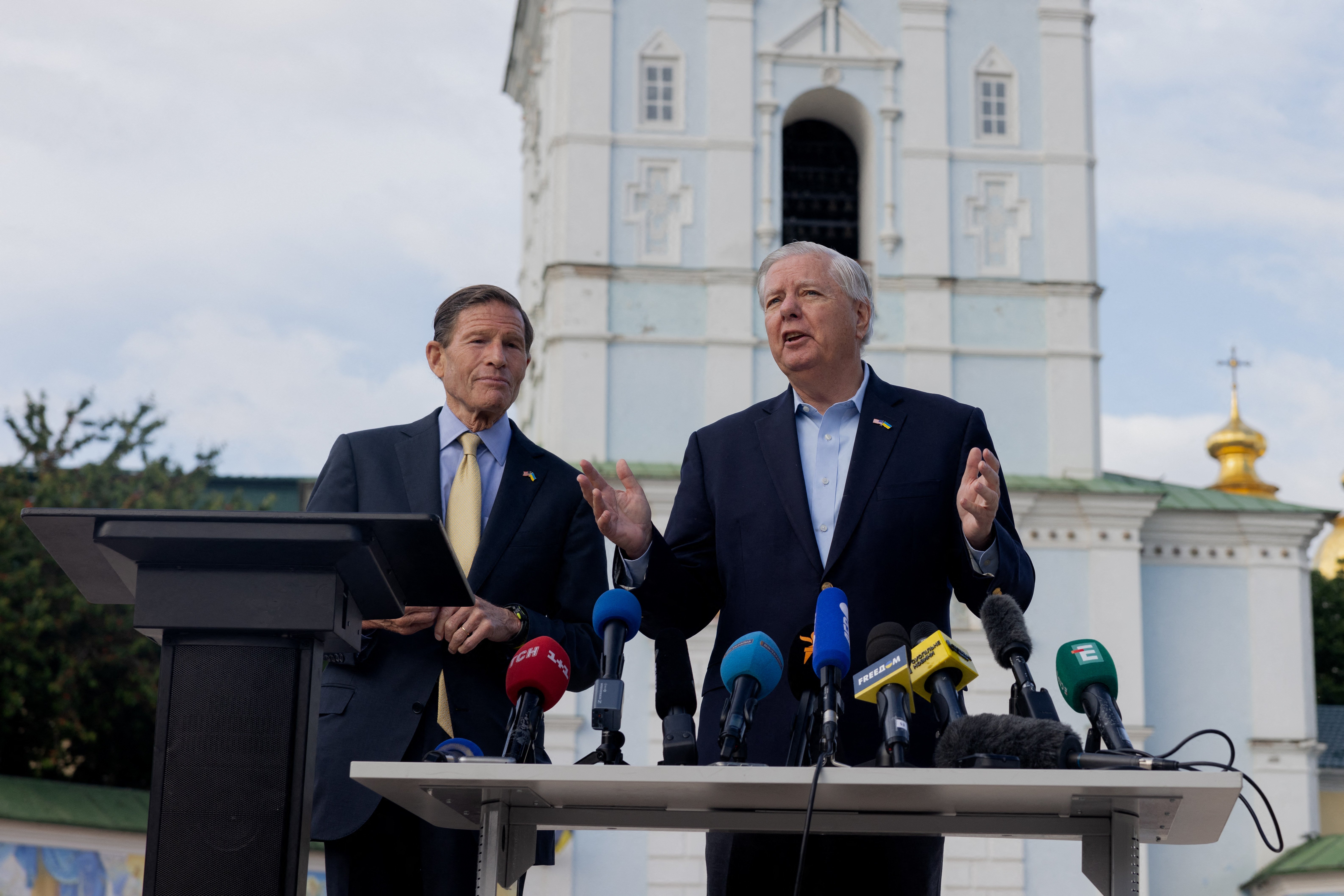
During a visit to Türkiye in July 2026, Graham helped negotiate revisions to the sanctions bill before traveling to Kyiv, where he met President Volodymyr Zelenskyy. The bill in question was to tighten sanctions against Russia, and had been in the works for months. By the time Graham visited Kyiv before his death, he had been told the White House would back the bill, which was one of the major obstacles it faced.
🕯️ President Zelenskyy attended the funeral service of the late Senator Lindsey Graham at Washington National Cathedral. pic.twitter.com/l4cUBqtmFE
— UNITED24 Media (@United24media) July 29, 2026
Hours after Graham’s funeral , the Senate voted 86–12 to clear a procedural hurdle, allowing debate on the bill, called The Lindsey O. Graham Sanctioning Russia and Iran Act of 2026, and setting up a final vote on its passage. If the Senate passes the bill, it must still be approved by the House of Representatives before being sent to President Donald Trump.
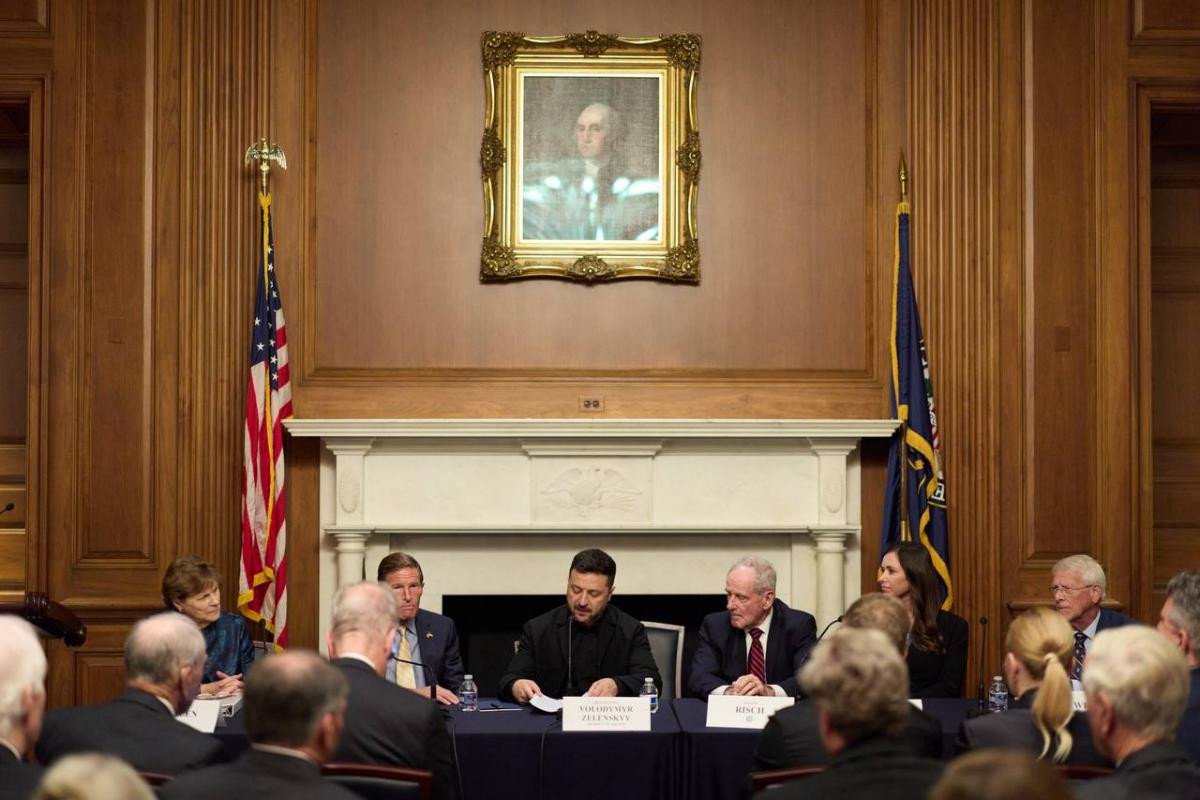
The bill has support from both US parties, including many Republican senators. Zelenskyy was present during the voting. He told reporters beforehand that the sanctions would hit Russia's ability to finance the war. "It's also a big signal to Europe, big signal to Ukraine, big support of our people, so I'm very thankful.”
What would Lindsey Graham’s Russia sanctions bill do?
“It will go after Vladimir Putin, his inner circle, and the shadow fleet they use to evade sanctions,” Senate Armed Services Chairman Roger Wicker said.
Under the bill, the president would have the authority to impose sanctions on a broad range of senior Russian political and military officials, oligarchs, state-owned entities, and others who meet the criteria set out in the legislation. This includes even the numerous senior political and military leaders and oligarchs who have not demonstrated opposition to Russia’s war against Ukraine and/or are responsible for or directly or indirectly engaged in activities that benefit the Russian government, and/or benefit from association with the Kremlin. The bill will also extend sanctions against Iran.
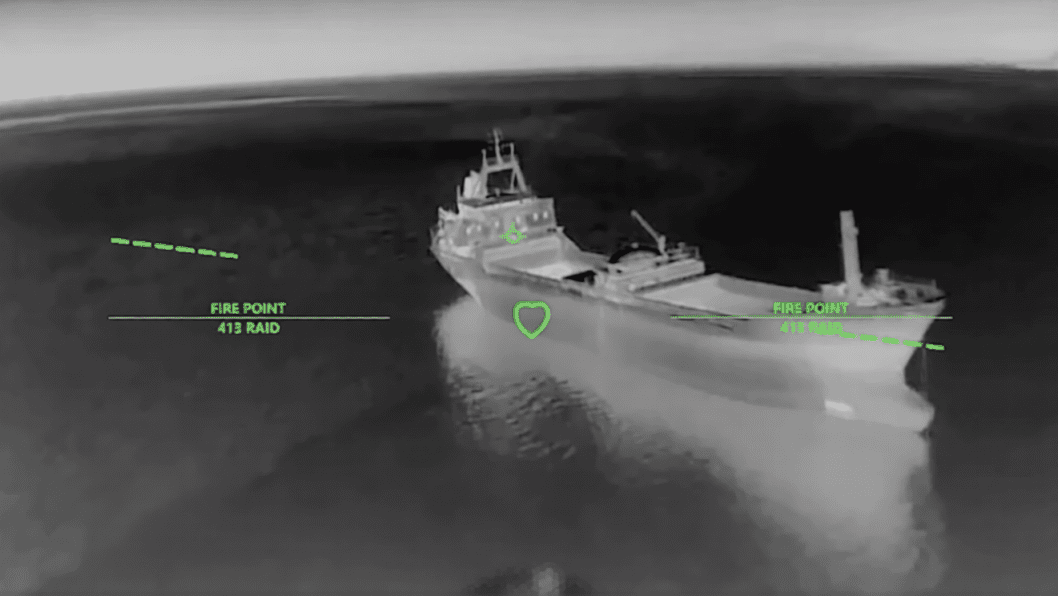
It would also include vessels sanctioned by the UK and EU, which would massively step up efforts against Russia’s Shadow Fleet . The bill also targets banks in Russia, financial transactions with Russia, and prohibits engagement with Russian financial institutions and banks. It will also target Russia’s weapons trade and manufacturing, as in those who “knowingly sell, lease, or provide, or facilitate selling, leasing, or providing, goods or services relating to the defense industrial base of the Russian Federation.”
One key component is to discourage countries from purchasing Russian energy by allowing the imposition of a baseline tariff of up to 500% on Russian imports into the United States, and an additional tariff of up to 100% on the largest buyers of Russian crude oil and natural gas. The goal is to prevent other countries from keeping Russia’s economy afloat.
Democrat senator and co-writer of the bill, Richard Blumenthal, said to reporters that “To be really blunt, China and India are the main culprits here….They purchase the vast majority of oil and gas. They are fueling Russia’s war machine, and they are doing us no favors anywhere else in the world.”
What happens next for Lindsey Graham’s sanctions bill?
On July 14, this bill was presented after some modifications and garnered more support, with last-minute changes limiting the new tariff authority to a five-year period and modifying tariff levels for some countries. The amended bill secured the backing of more than 60 senators, giving it enough bipartisan support to overcome a filibuster and making Senate passage appear likely.
The bill has now passed the Senate’s procedural vote necessary to move to debate and consider written amendments.
If the Senate approves the bill on a final vote, it will move to the House of Representatives, which is expected to consider it after lawmakers return from the August recess in September. If both chambers pass the same version, the bill will then be sent to Trump for his signature.
It is worth noting that the original bill came under scrutiny and criticism, and was adjusted so that countries that consume a lower percentage of Russian oil and are phasing out their reliance on Russia are not penalized as much as the major ones. The initial draft granted the President greater tariff powers, which was the main concern among some senators.
With bipartisan Senate support, White House backing, and the growing momentum following Graham’s death, the bill appears well-positioned to continue advancing through Congress. If enacted, supporters say it could significantly increase economic pressure on Russia by targeting its energy revenues.
FAQ
Why is it called the “sanctions bill from hell”?
Lindsey Graham had been working on the bill, called “The Sanctioning Russia Act of 2025,” but it has often been referred to as the “sanctions bill from hell” since 2025. “We need something with teeth, and we need something big,” a spokesperson for Graham said, describing his vision for a bill that would put much more intense pressure on Russia’s economy. Graham co-wrote the bill with Blumenthal, and while it faced various challenges, thanks to a shift in White House support before his death, it secured the necessary votes to move it forward.
Why does Graham’s bill include Iran?
The addition of Iran came later, after much debate. While the bill mostly focuses on Russia, it also extends sanctions against Iran until 2031. It states, “Section 13(b) of the Iran Sanctions Act of 1996 is amended by striking ‘‘2026’’ and inserting ‘‘2031’’.Democratic Senator Sheldon Whitehouse explained prior to the vote that the addition of Iran came from Secretary of State Marco Rubio. He said it “helps the bill become law [...] enhances the prospects, particularly with Republicans.” President Trump also suggested adding it.
How is Graham’s sanctions bill different from existing Russia sanctions?
The bill broadens the US president's authority to impose sanctions on different parties, from individuals to countries, that support Russia's economy or war effort. It also authorizes tariffs of up to 500% on Russia and countries that continue importing Russian energy, aiming to push countries away from dependence on it and to further weaken Russia's war economy.
Discuss this article:



-c439b7bd9030ecf9d5a4287dc361ba31.jpg "Photo of Katherina Popilnichenko")


-72b63a4e0c8c475ad81fe3eed3f63729.jpeg "Photo of Cyril Barabaltchouk")