- Category
- World
US Senators Propose 500% Tariffs in Major Russia and Iran Sanctions Deal
 Prefer U24 Media on Google
- Authors

-c439b7bd9030ecf9d5a4287dc361ba31.jpg "Photo of Katherina Popilnichenko")
A bipartisan group of US senators has reached an agreement on new sanctions legislation targeting Russia and Iran.
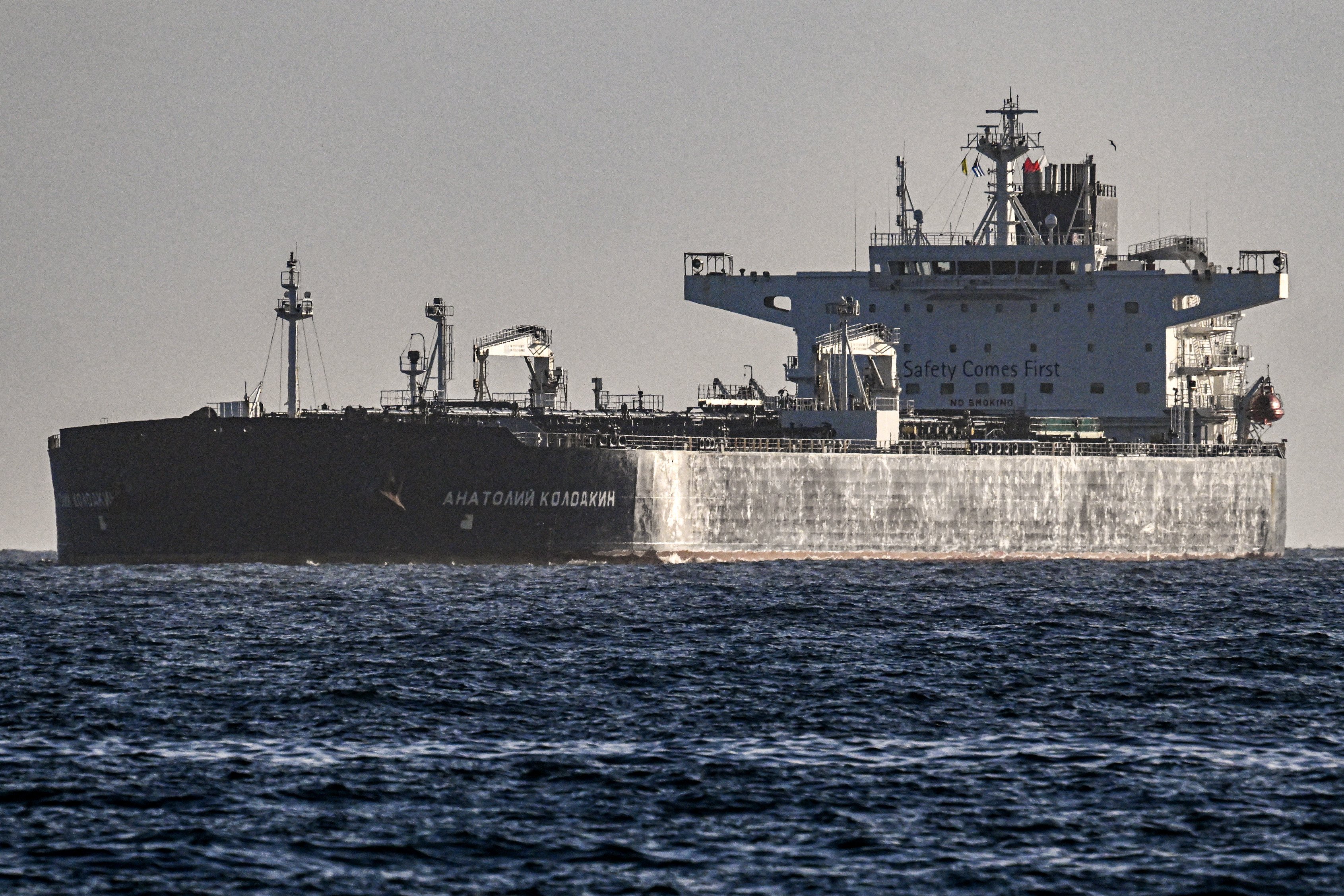
The proposed bill gives President Donald Trump the authority to impose a 500% baseline tariff on Russian imports into the United States and an additional 100% tariff on the five largest buyers of Russian crude oil and natural gas, as well as the five top nations assisting Moscow in bypassing energy sanctions, according to Bloomberg on July 28.
We bring you stories from the ground. Your support keeps our team in the field.
Additionally, the legislation extends the 1996 Iran Sanctions Act through 2031, with a last-minute amendment restricting the new tariff authority to a 5-year duration. The legislation, advocated by the late Senator Lindsey Graham, has received support from Trump.
If passed, the measures would penalize primary buyers of Russian crude and natural gas, directly impacting major energy consumers such as India and China. While proponents argue the bill restricts funding for Moscow, it could disrupt delicate trade relations between Washington and these major economies.
Critics argue the framework could be utilized to justify wide-ranging trade barriers without guaranteeing stricter enforcement against Moscow or Tehran, as reported by Bloomberg.
“There is no doubt that the US government must take stronger action against buyers of Russian energy who are fueling an unjustified war against Ukraine,” stated Senator Ron Wyden and Representative Richard Neal in a July 14 statement.

The Senate is expected to vote on the measure this week. However, because the House of Representatives has adjourned for its August recess, the legislation cannot officially take effect until September at the earliest.
Questions remain regarding whether the White House will fully enforce the sanctions. The text grants the president broad discretionary authority to issue exemptions and withhold enforcement. Previous US enforcement measures against Russian energy sales included temporary waivers, which were introduced following market disruptions caused by the closure of the Strait of Hormuz during a war with Iran.
Bloomberg reports that those waivers expired last month. Market analysts note that additional restrictions could destabilize international energy supply chains.
“At a time when global energy markets remain under significant pressure, further constraining supply risks imposing disproportionate costs on countries already bearing the economic fallout of today’s energy crisis,” said Brett Erickson, managing director of Obsidian Risk Advisors.
Erickson also questioned the effectiveness of combining the measures, noting: “If the goal is to increase economic pressure on Iran, attaching additional Iran provisions to a Russia sanctions bill is unlikely to move the needle in any meaningful way.”
The 1996 Iran Sanctions Act, set to expire this year, authorizes secondary economic sanctions on foreign companies doing business with Iran. Extending the law to 2031 maintains these federal powers. Trade restrictions tied to Russian energy purchases have previously seen mixed application.
On July 23, 2026, the European Union agreed on its 21st sanctions package against Russia, delivering broad restrictions aimed at Moscow's financial system, energy sector, and defense-industrial complex.
The measure marked the EU's largest sanctions round in four years, adding 218 new listings that designated over 100 banks and cryptocurrency operators, more than 40 shadow fleet vessels, several refineries in Russia and Belarus, and over 50 military-industrial entities involved in long-range drone production.
Discuss this article:






-72b63a4e0c8c475ad81fe3eed3f63729.jpeg "Photo of Cyril Barabaltchouk")