- Category
- World
What’s Happening in Irkutsk? Plague Checklists, Quarantines, and a Researcher’s Death
 Prefer U24 Media on Google
- Authors

-111f0e5095e02c02446ffed57bfb0ab1.jpeg "Photo of Roman Kohanets")
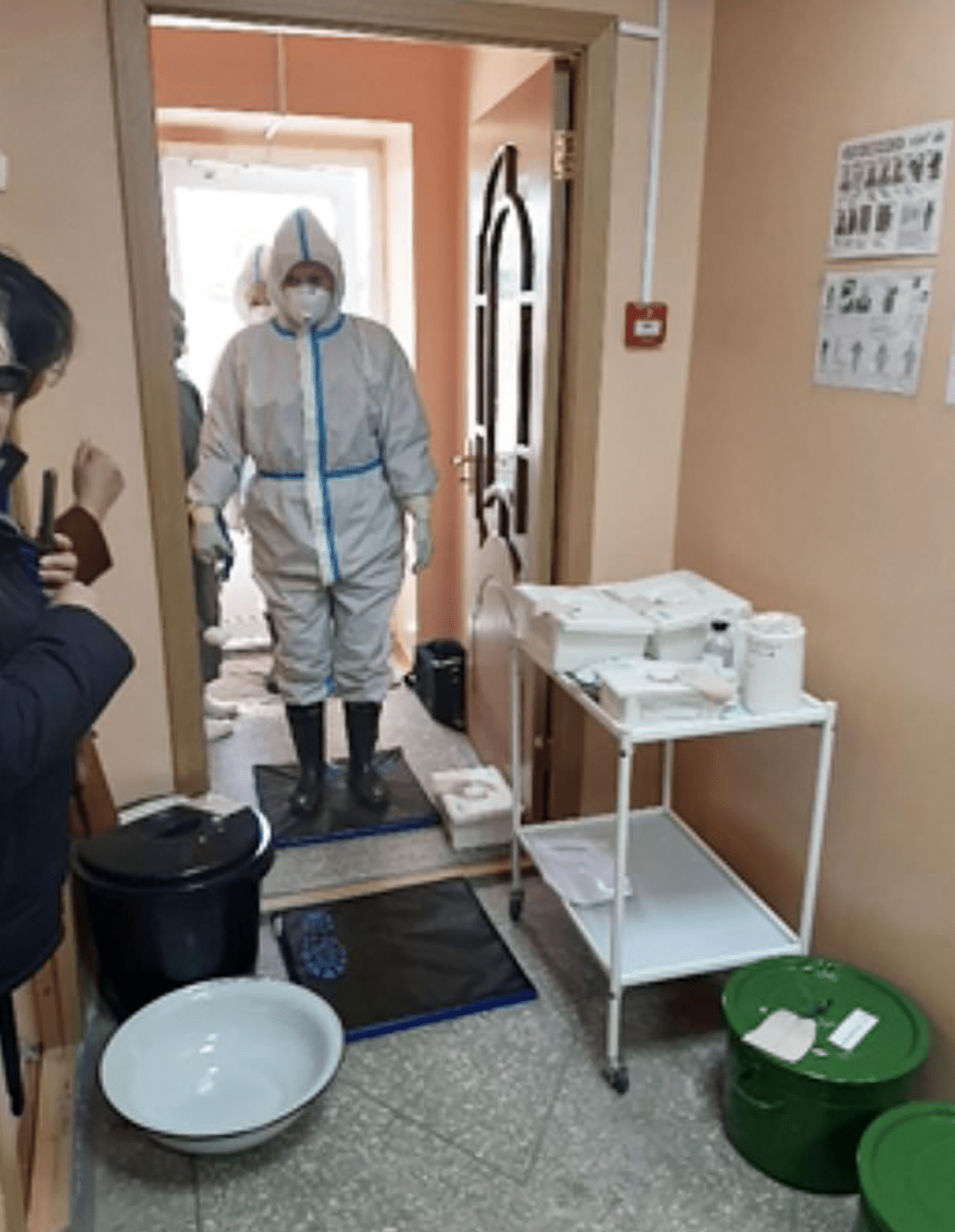
Restrictions remained in place at several medical facilities in Russia’s Irkutsk region on October 7, while patients at a perinatal center were asked to complete questionnaires for suspected plague infections.
People of Baikal reported the measures in a Telegram post on October 7, rejecting claims by pro-government channels that earlier reports about hospital restrictions had been disproved.
We bring you stories from the ground. Your support keeps our team in the field.
The outlet stated that restrictions continued at Irkutsk Regional Clinical Hospital, where visitors were barred, and patients were not allowed to leave the building. The hospital continued to accept new patients despite internal restrictions.
Measures also remained in place at the Irkutsk Regional Psychoneurological Dispensary. A patient told People of Baikal that the facility had limited time outdoors and later posted a notice restricting visits and requiring masks.
At the Irkutsk City Perinatal Center, patients were asked to complete a “checklist for suspected particularly dangerous infection ‘Plague,’” according to photographs published by the outlet. People of Baikal released fuller images after pro-government channels claimed an earlier photograph of the form had been fabricated.
“I couldn’t have made something like this up,” said blogger Ulyana Gavryunina, who provided the photographs.
The October 7 update reinforced details previously described by People of Baikal co-founder Olga Mutovina in an interview with Meduza about the response to the death of 28-year-old Daria Shpilova. Mutovina explained that journalists determined where restrictions were in effect by contacting hospitals and patients, as authorities had not published a comprehensive list.
Shpilova, an employee of the Research Anti-Plague Institute of Siberia and the Far East, died overnight on October 2 in Shelekhov. Authorities described her illness as pneumonia of unknown cause, while reports circulated that she may have contracted pneumonic plague.
Mutovina reported that around 200 people who had contact with Shpilova were isolated, while employees of the anti-plague institute underwent repeated testing during a three-day quarantine. The people of Baikal had no confirmed information about any additional patients with the same illness.
Residents of Shpilova’s apartment building also reported seeing workers wearing gas masks and protective suits disinfecting entrances on October 2. Residents described a strong chemical odor and said workers offered little explanation about the operation.
The response extended beyond individual hospitals. Mutovina reported that Russia’s chief sanitary official traveled to the region, while people who had contact with Shpilova were isolated and, in some cases, accompanied by security personnel to medical examinations.
The uncertainty surrounding Shpilova’s death has fueled speculation about a possible laboratory accident, although People of Baikal emphasized that the cause of her illness remains unconfirmed. The ongoing hospital restrictions and plague-related questionnaires have left those questions open, as authorities provide limited public information about the measures.
The official handling of the case has been marked by shifting messages from regional leaders and the quiet disappearance of public warnings.
The Irkutsk region's governor, Igor Kobzev, referred only to a suspected particularly dangerous infection, while Buryatia's head, Alexey Tsydenov, initially linked the death to plague before softening his wording.
Authorities in Baikalsk removed an advisory urging residents to avoid travel to Shelekhov, and antibiotics reportedly vanished from some pharmacy shelves amid panic buying as public events were canceled.
Discuss this article:

-c439b7bd9030ecf9d5a4287dc361ba31.jpg "Photo of Katherina Popilnichenko")

-72b63a4e0c8c475ad81fe3eed3f63729.jpeg "Photo of Cyril Barabaltchouk")