- Category
- World
Yevgeny Prigozhin’s Son Preserves Wagner’s $400M Criminal Empire in Central African Republic
 Prefer U24 Media on Google
- Authors


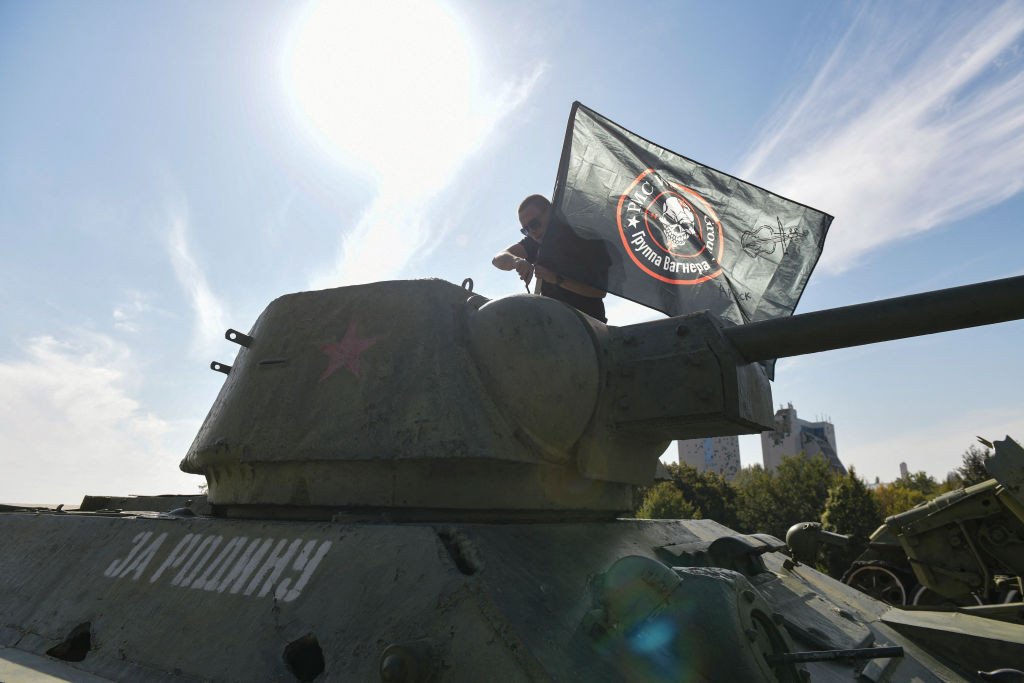
Pavel Prigozhin, the son of late Wagner founder Yevgeny Prigozhin, has preserved control over parts of the mercenary group’s business empire in the Central African Republic, with annual legal and illicit turnover now estimated at more than $400 million, The Wall Street Journal reported on October 17.
According to diplomats, local officials, former Wagner members, and investigators cited by the Journal, Central African Republic President Faustin-Archange Touadéra asked Moscow not to replace Wagner fighters in the country with regular Russian forces after Yevgeny Prigozhin’s death.
We bring you stories from the ground. Your support keeps our team in the field.
Under Yevgeny Prigozhin, Wagner became one of Russia’s most notorious paramilitary forces, fighting alongside Russian troops in Ukraine and facing repeated accusations of executions, torture, and other war crimes, including during the battles for Soledar and Bakhmut. Many Wagner fighters were later redeployed to African countries including Mali and the Central African Republic, where the group has been linked to civilian killings and other abuses while building business networks tied to mining and resource extraction.
Around 500 Wagner personnel remain in the Central African Republic, where they continue providing security for Touadéra while operating alongside local police, military, and intelligence structures, The Wall Street Journal reported.
The group’s commercial operations have also expanded under Pavel Prigozhin. Investigators with the Global Initiative Against Transnational Organized Crime estimated that Wagner’s combined legal and illicit business turnover now exceeds $400 million annually.

The Journal reported that Prigozhin inherited an empire spanning armed personnel, gold smuggling, opioid trafficking, and alcohol production after his father’s death.
Wagner had already been involved in gold mining under Yevgeny Prigozhin. Under his son, the group has taken control of additional mines and expanded production at the country’s largest gold mine to roughly $250 million a year, according to the Global Initiative.
In April, Pavel Prigozhin reportedly met Wagner leadership and Central African officials, including Mining Minister Rufin Benam Beltoungou, at Bangui’s Ledger Plaza hotel to discuss routes for exporting gold while avoiding international scrutiny.
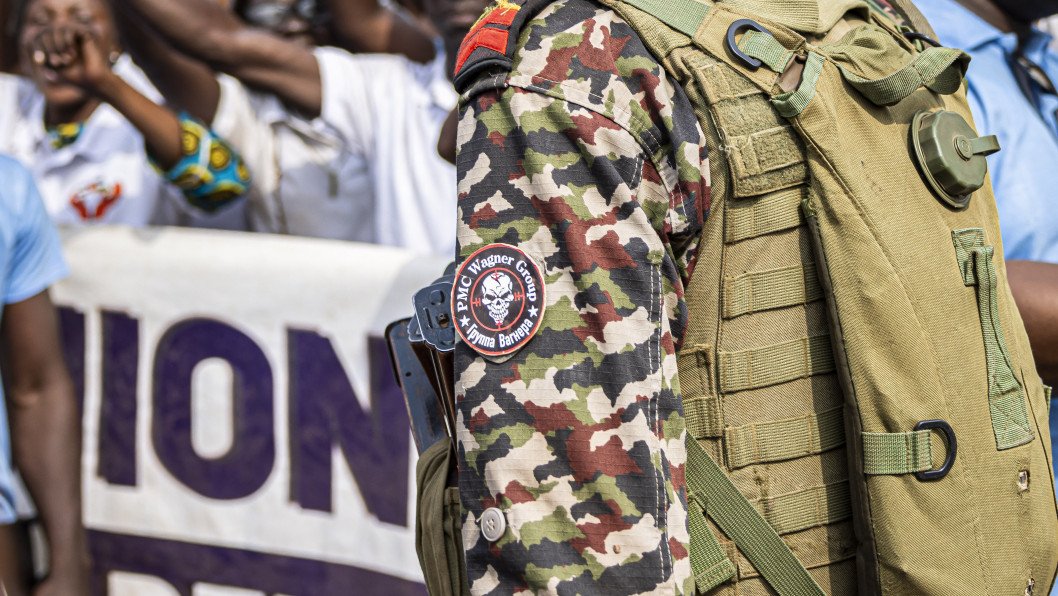
According to local officials and analysts cited by The Wall Street Journal, shipments of gold have been sent to Belarus over the past three months.
The Journal also reported that Wagner continues trading weapons to rebel groups in Sudan and Libya while controlling production and sales of Wa Wa Wa vodka and Africa Ti L’Or beer in the Central African Republic.
Wagner has also maintained its influence operations in the country. The group finances local radio stations that support Touadéra and promote anti-Western and pro-Russian messaging, according to the report.
Pavel Prigozhin has additionally expanded into the local tramadol trade and now controls a significant share of the opioid market, The Wall Street Journal reported. Residents of Bangui provided images and videos showing Wagner fighters, accompanied by local police, detaining people accused of selling the drug outside the group’s network.
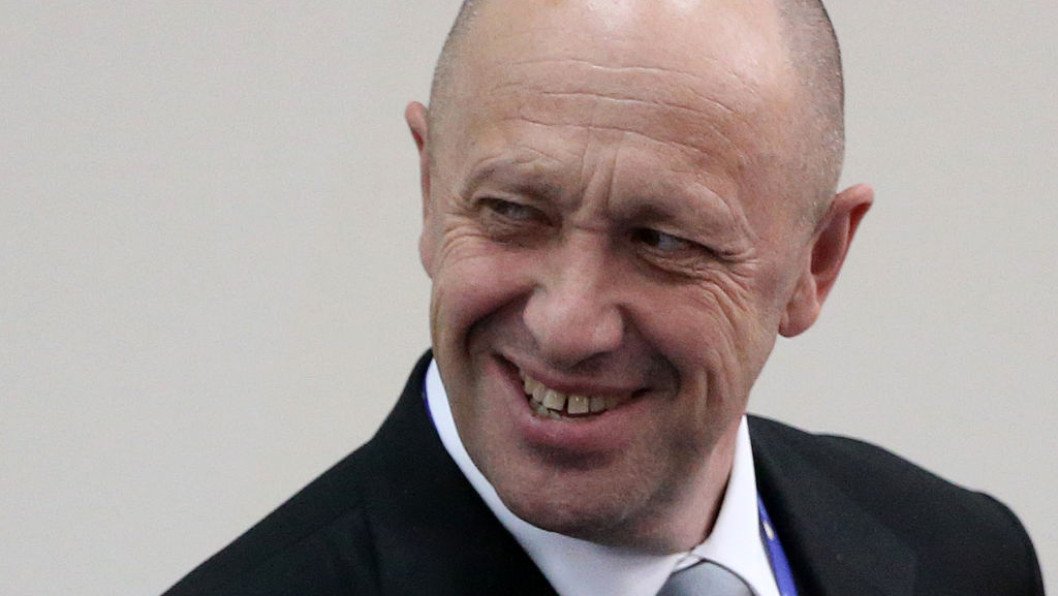
“Wagner has transformed from a powerful special-forces PMC into an unrecognized network that appears to be sliding into an organized crime group,” Lou Osborne, an investigator with Swiss nonprofit Inpact, told the Journal.
“I believe Pavel was allowed to continue his activities, meaning he either reached an agreement with the Kremlin or was made harmless,” Osborne added.
Russia’s military presence in Africa is also drawing scrutiny beyond the Central African Republic. In Mali, Russian Africa Corps personnel and local forces were accused of carrying out 47 drone strikes between April and August that killed 94 civilians, according to conflict monitoring data cited by Human Rights Watch.
Discuss this article: