- Category
- War in Ukraine
Inside Wagner’s Drug Empire in Africa That Survived Prigozhin’s Death
 Prefer U24 Media on Google
- Authors


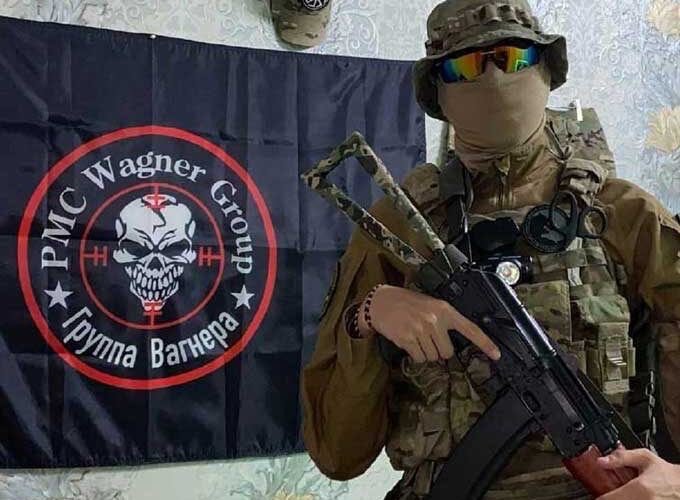
Remnants of Russia’s Wagner Group have established a lucrative tramadol trafficking network in the Central African Republic (CAR), using the illegal trade to finance mining operations and maintain influence in the country after most of the mercenary group’s assets were absorbed by the Kremlin.
We bring you stories from the ground. Your support keeps our team in the field.
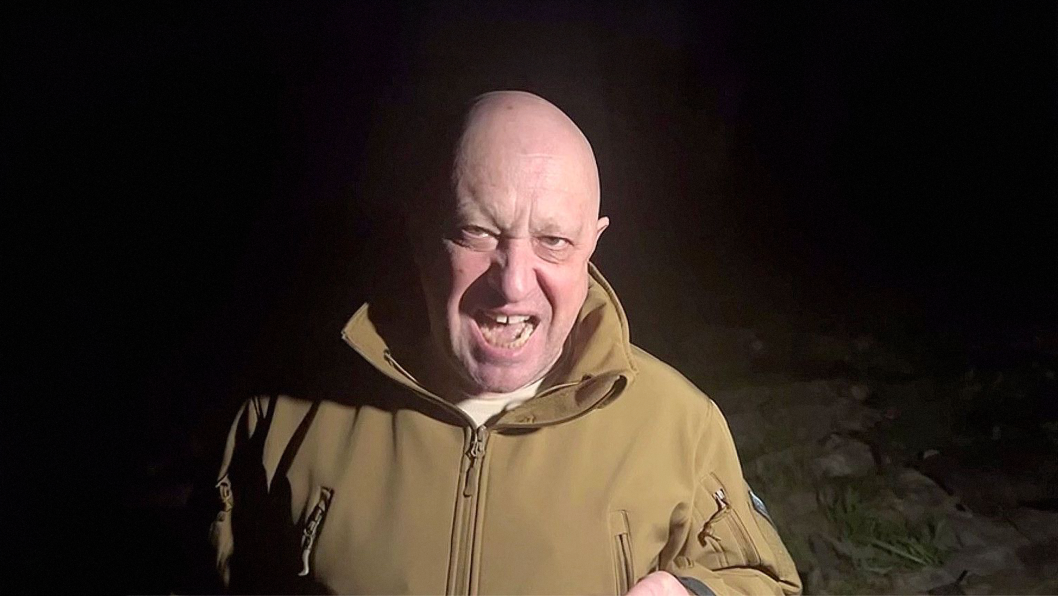
According to The Wall Street Journal on July 12, the operation is led by Pavel Prigozhin, the son of late Wagner founder Yevgeny Prigozhin, and has become one of the group’s primary sources of revenue alongside illegal gold mining.
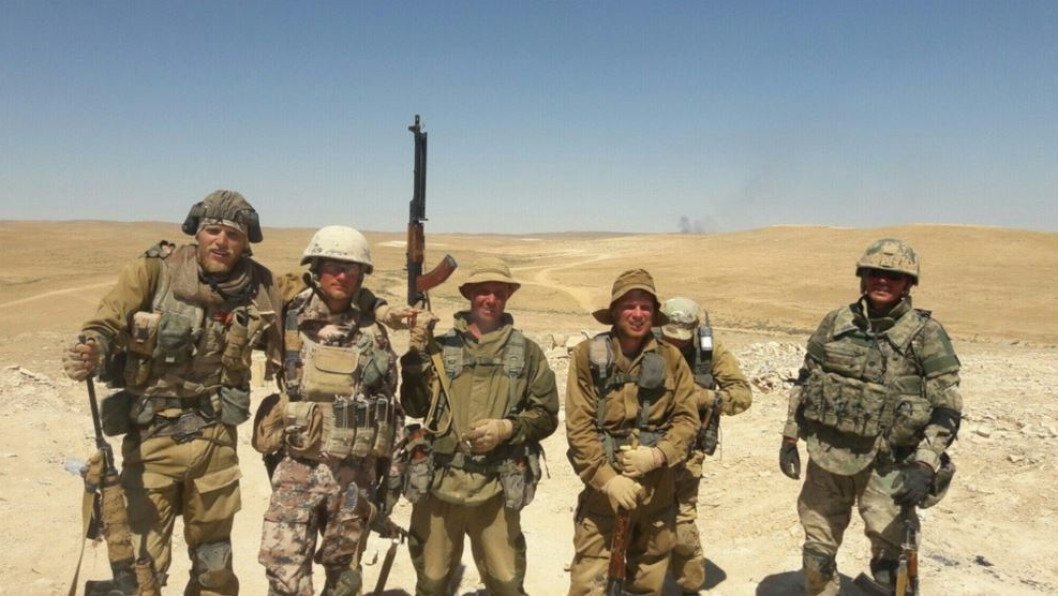
According to The Wall Street Journal, approximately 500 Wagner fighters remained in the Central African Republic following Yevgeny Prigozhin’s death in 2023, even as Russia transferred much of the group’s overseas operations to state-controlled structures.
The newspaper reports that those fighters consolidated control over the trafficking of tramadol, a synthetic opioid painkiller that is tightly regulated in many countries because of its addictive properties.
While therapeutic doses typically range from 50 to 100 milligrams, tablets containing 200 milligrams or more are reportedly sold widely across the Central African Republic.
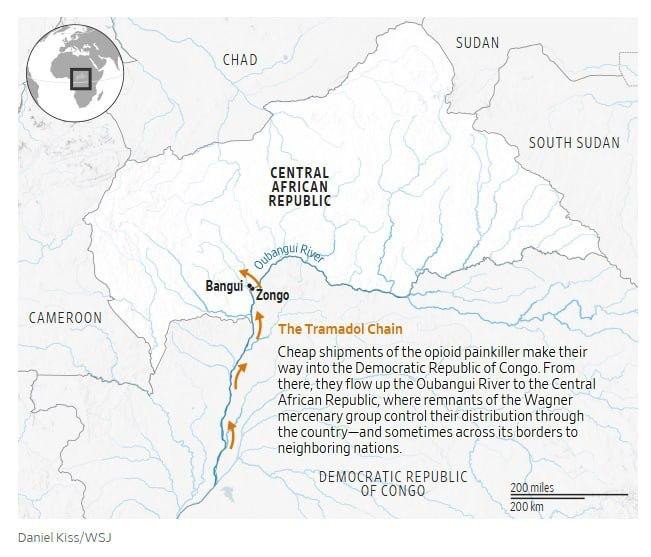
The Wall Street Journal says most of the tramadol originates from pharmaceutical manufacturers in India before being legally exported to the Republic of the Congo. From there, smugglers transport the drug across the Ubangi River into the Central African Republic, where Wagner-linked networks oversee distribution.
According to the investigation, high-dose tramadol is commonly used by miners working at gold sites controlled by Wagner, members of pro-Russian groups, and armed factions involved in the country’s long-running conflict. The drug is often described locally as “the cocaine of the poor” because of its stimulant effects when consumed in large quantities.
The newspaper reports that profits from the narcotics trade help finance Wagner’s broader business network, including timber operations and illegal gold mining.
-74bb0af73c3738cbf23541e6b5e8370b.jpg)
The Geneva-based Global Initiative Against Transnational Organized Crime estimates that illicit gold exports controlled by Wagner-linked structures generate approximately $180 million annually, while tramadol smuggling provides an additional source of income.
Research cited by The Wall Street Journal from Uppsala University indicates that increased tramadol consumption has coincided with a nearly 20% rise in fatalities linked to fighting over mining areas, reaching roughly 500 deaths during the past year.
The investigation also states that Wagner veterans have recently expanded their control over the drug trade by supplying tramadol to members of the Central African Republic’s presidential guard and the pro-government youth militia known as Sharks.
The claim is based on interviews with researchers, traders in the capital Bangui, and a former Wagner member now living in Europe.
According to The Wall Street Journal, Wagner’s remaining structures have become deeply embedded in the country’s political, military, and economic systems, allowing them to retain a significant degree of autonomy despite Moscow’s efforts to centralize control over the mercenary group’s overseas operations.
The newspaper notes that Wagner-linked personnel continue to exploit established smuggling routes and long-standing relationships with local security forces to preserve control over strategic resources and transport corridors, particularly along the Ubangi River.
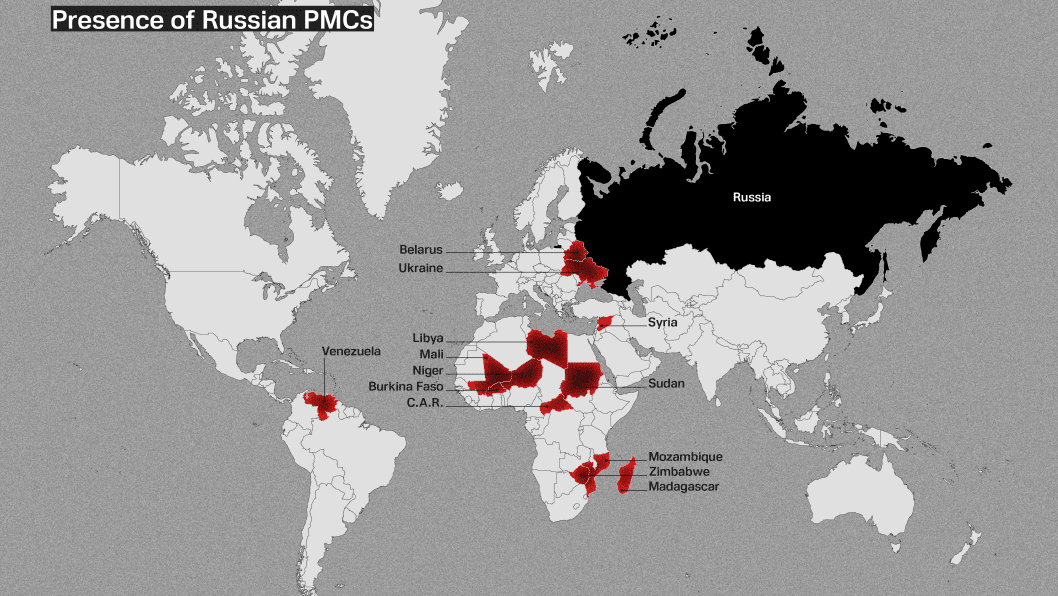
Since the death of Wagner founder Yevgeny Prigozhin in August 2023, the Kremlin has sought to place the group’s foreign operations under the control of Russia’s Ministry of Defense and other state-backed entities.
However, according to The Wall Street Journal, the Central African Republic remains one of the few locations where Wagner’s surviving leadership has preserved an independent financial base and operational influence.
Earlier, Russia’s Africa Corps and Malian troops were accused of killing four civilians in northern Mali, with one victim’s dismembered remains allegedly arranged into a swastika. Local residents and a Malian human rights group said the victims were civilians with no ties to armed groups.
Discuss this article:
-9a7b3a98ed5c506e0b77a6663f5727c5.png)

-9fc3cf73e00823179b7f7cb9b3c735e8.jpeg "Damage to a building in Kyiv following a Russian ballistic attack on the capital. (Source: State Emergency Service of Ukraine)")
-72b63a4e0c8c475ad81fe3eed3f63729.jpeg "Photo of Cyril Barabaltchouk")