- Category
- World
Russia Just Took a Major Hit in Mali. Here’s What It Means
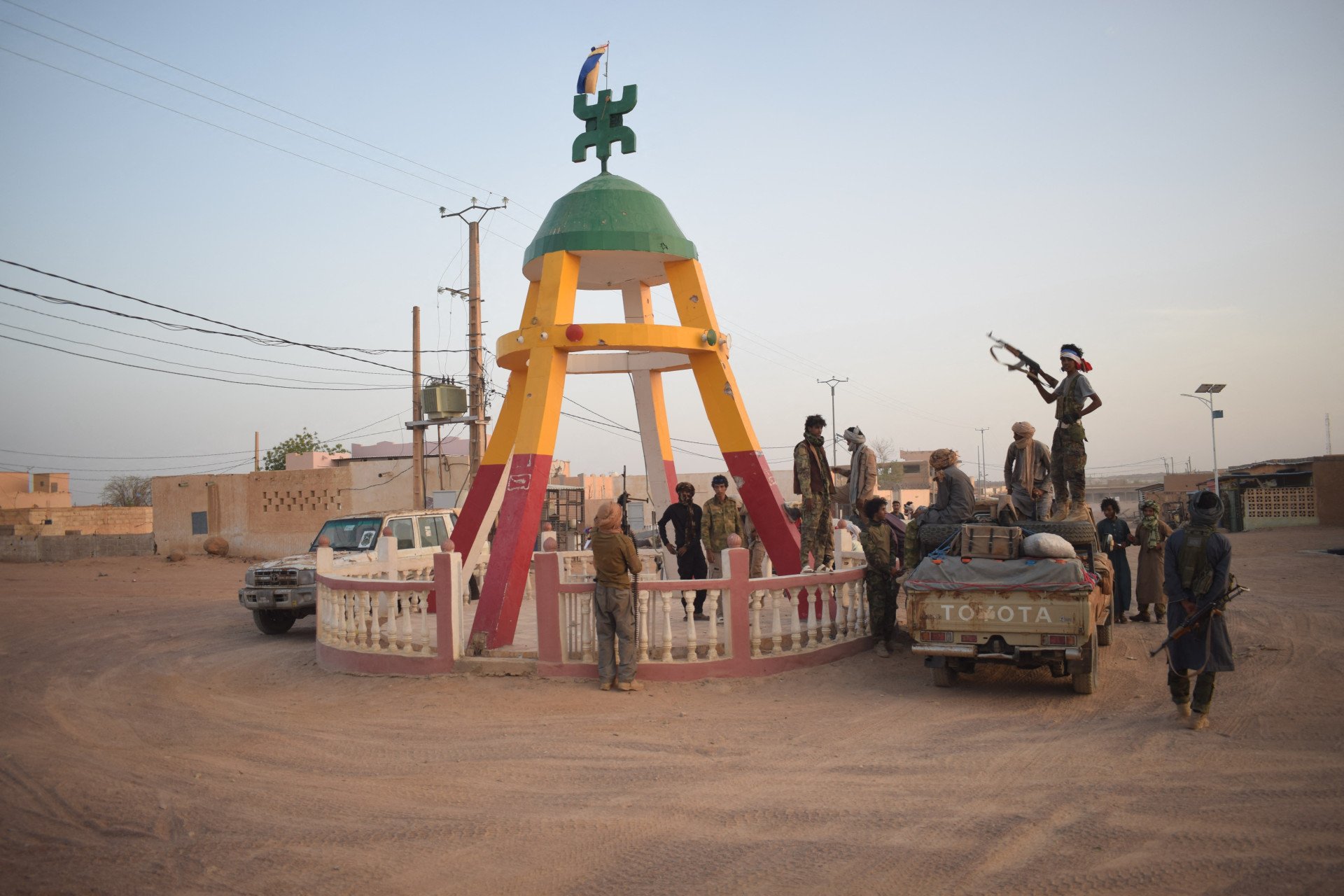
Russia’s “Africa Corps” has withdrawn from the northern Malian city of Kidal following coordinated attacks across the country by Tuareg separatists and Islamist groups over several days, which involved the death of the Malian Minister of Defense. This is a major blow to Russia.
 Prefer U24 Media on Google
- Authors

-605be766de04ba3d21b67fb76a76786a.jpg "Joseph Place")
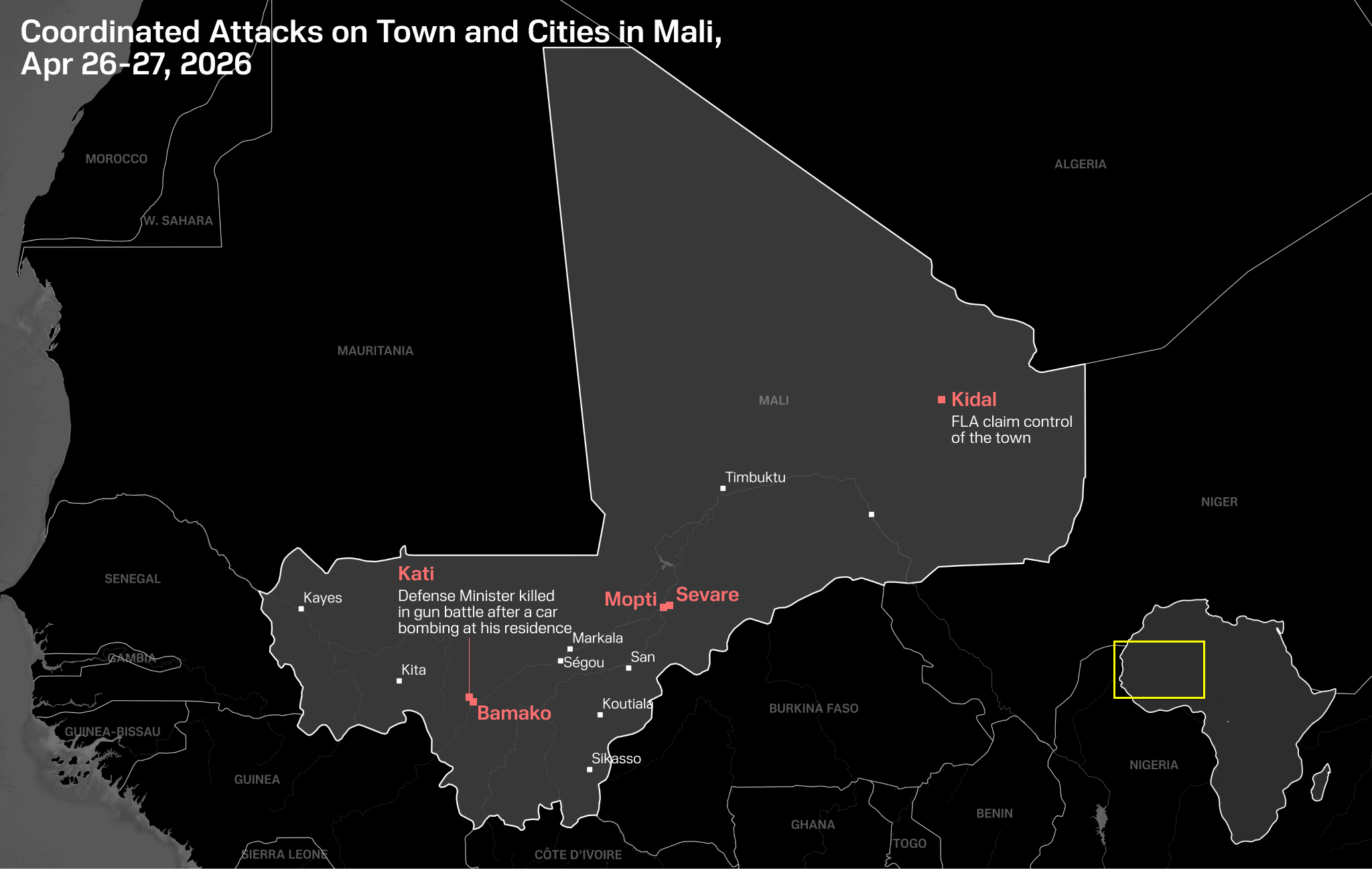
On April 27, 2026, Russia’s “Africa Corps ” announced that it had withdrawn from the northern city of Kidal, along with Malian government forces after a mass of coordinated attacks by insurrectionists, leading to Russian and government forces being isolated and surrounded. Kidal is a major town and the site of a large military base. It is also a town that the Wagner Group and Malian forces took back under government control in 2023, adding a symbolic nature to the retreat.
From April 24 to 26, insurrectionists launched a multitude of attacks across Mali against government and Russian forces, which was one the largest wave of attacks in the country in a long time. The African Corps claimed it involved 12,000 fighters, though that is not verified. The insurgents attacked Russian and local military and government targets. Most fighting was concentrated in the northern region of Mali. However, gunfire was heard even in Bamako, the capital, and car bombings, drone strikes, and shootings took place across the country.
We bring you stories from the ground. Your support keeps our team in the field.
Over the weekend, Russian forces lost a helicopter and suffered casualties. These attacks killed the Malian Minister of Defense, Sadio Camara , in his home via a suicide car bombing, which is a major blow to the government on April 25. The town of Kidal was contested, and reports varied, though the Azawad Liberation Front (FLA or ALF) forces entered and took control by Sunday, April 26. The retreat from Kidal was reportedly negotiated by Monday, April 27 with the coalition of Islamists and Tuaregs after Russian and local forces were cut off.
Who is involved?
The Africa Corps has been the main Russian presence in Mali since Wagner was dissolved, but unlike Wagner, it is part of the Russian military rather than a PMC. The purpose of their presence has been to protect the government from the various factions that have unified against it. The government is essentially a military backed Junta, who seized power after a coup in 2021. Russia has taken a major role in the country, especially since French security forces withdrew from its missions due to a lack of alignment with the government and its goals.
Mali has been at a state of war since 2012. This has involved government forces against a combination of separatists, who seek an independent Azawad nation in northern Mali, and Islamist groups. Many civilians have suffered, with Amnesty declaring Mali facing it worse humanitarian crisis in 2012, civilians suffering and fleeing at the hands of Islamist extremists, and the government committing ethnic attacks on civilians. War crimes were also conducted by Wagner Group fighters and, more recently, the Africa Corps. The Africa Corps has been responsible for violence against civilians, and thousands have fled to Mauritania as a result of their actions.
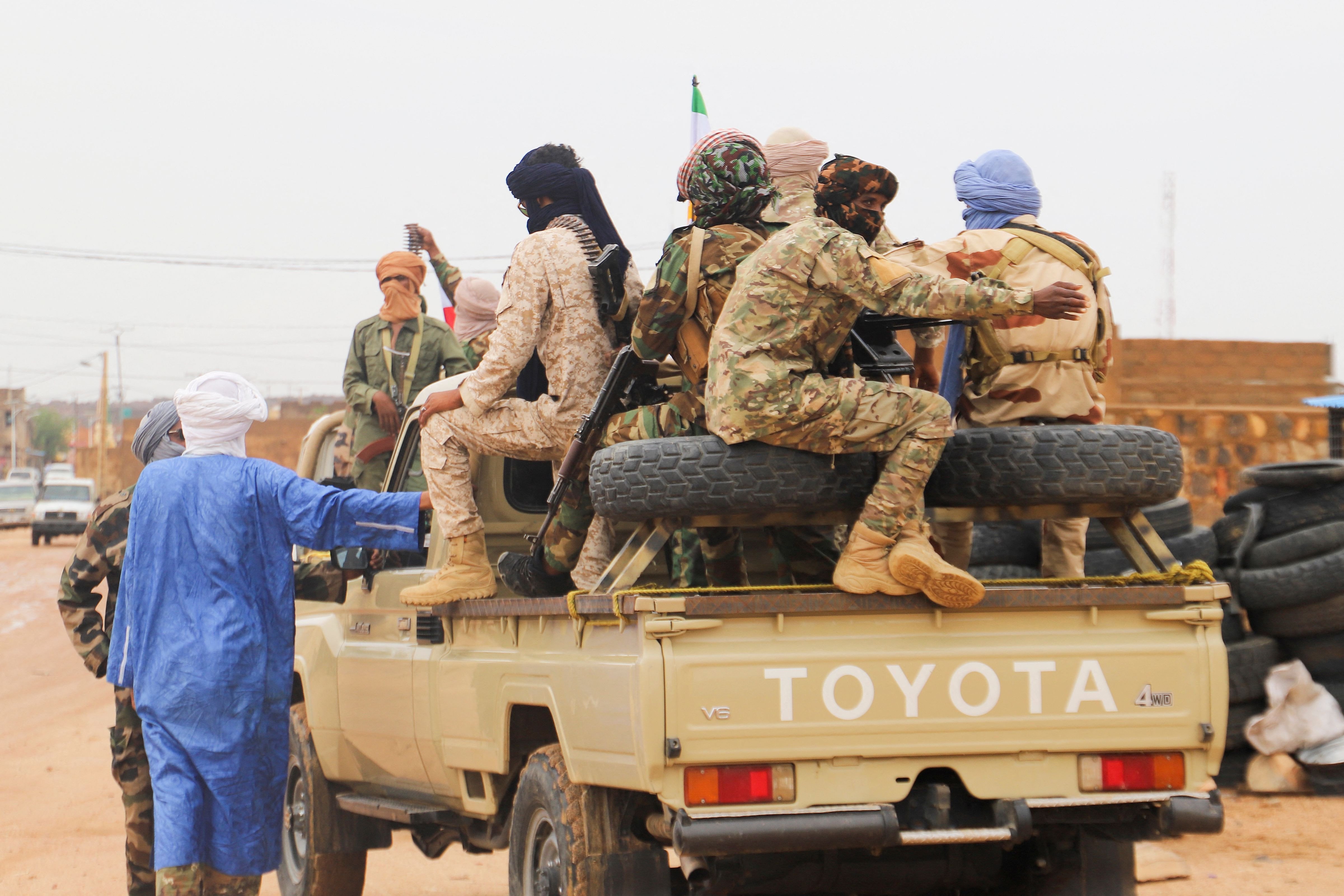
The most notable separatist movement now is the Azawad Liberation Front, which claimed responsibility for the attacks and most of the actions in the north of the country, where it seeks to take control and secede from Mali. Although Islamist groups conducted attacks in other parts of the country.
Why is this bad for Russia?
The scale of the attacks across the country shows that the government and Russian forces operate at a limited capacity in the region. Despite Russia and the Malian forces conducting battles and airstrikes against insurrectionists, and having an advantage in terms of equipment and manpower, it appears that neither Russia or the government can handle these types of coordinated, large-scale attacks or meaningfully defend key positions.
Losing control of a major northern town and military base significantly weakens the government’s control and will embolden the insurrectionists. While Russians have claimed that it repelled most attacks, this retreat raises questions about its defensive capabilities abroad.
This is one of the most significant withdrawals of Russian military forces when faced with attacks in recent years outside of Ukraine. To contrast with Syria, the presence was already minor by the time the rebels launched their revolution against former Syrian leader Bashar Al-Assad, and Russia did not engage in return for being left alone. In Mali, the Corps did engage in combat, but failed to hold on to a major town.
Part of the reduced capabilities tie to deeper issues with the Africa Corps, especially when compared to the Wagner Group. The Wagner Group were led by oligarch and mercenary leader Yevgeny Prigozhin, who led an uprising and headed to Moscow, where eventually he withdrew, and later died in a plane crash.
While the Africa Corps has many of the former Wagner soldiers formerly stationed in Africa before its dissolution after Prigozhin’s rebellion and death, it appears to lack the strength and organization that made Wagner a brutally and cruelly effective force within Africa. This may be due to a more centralized control from the Russian government or the reality that many of its best fighters have died and been sent to Ukraine.
For Mali’s ruling junta, the consequences are immediate. Russia’s presence in Mali has been a major factor in keeping it in power. If Russia continues to fail to protect it, it could spell disaster for the government. They may have to cede more control of the north of the country to separatists, and may face increased internal criticism.
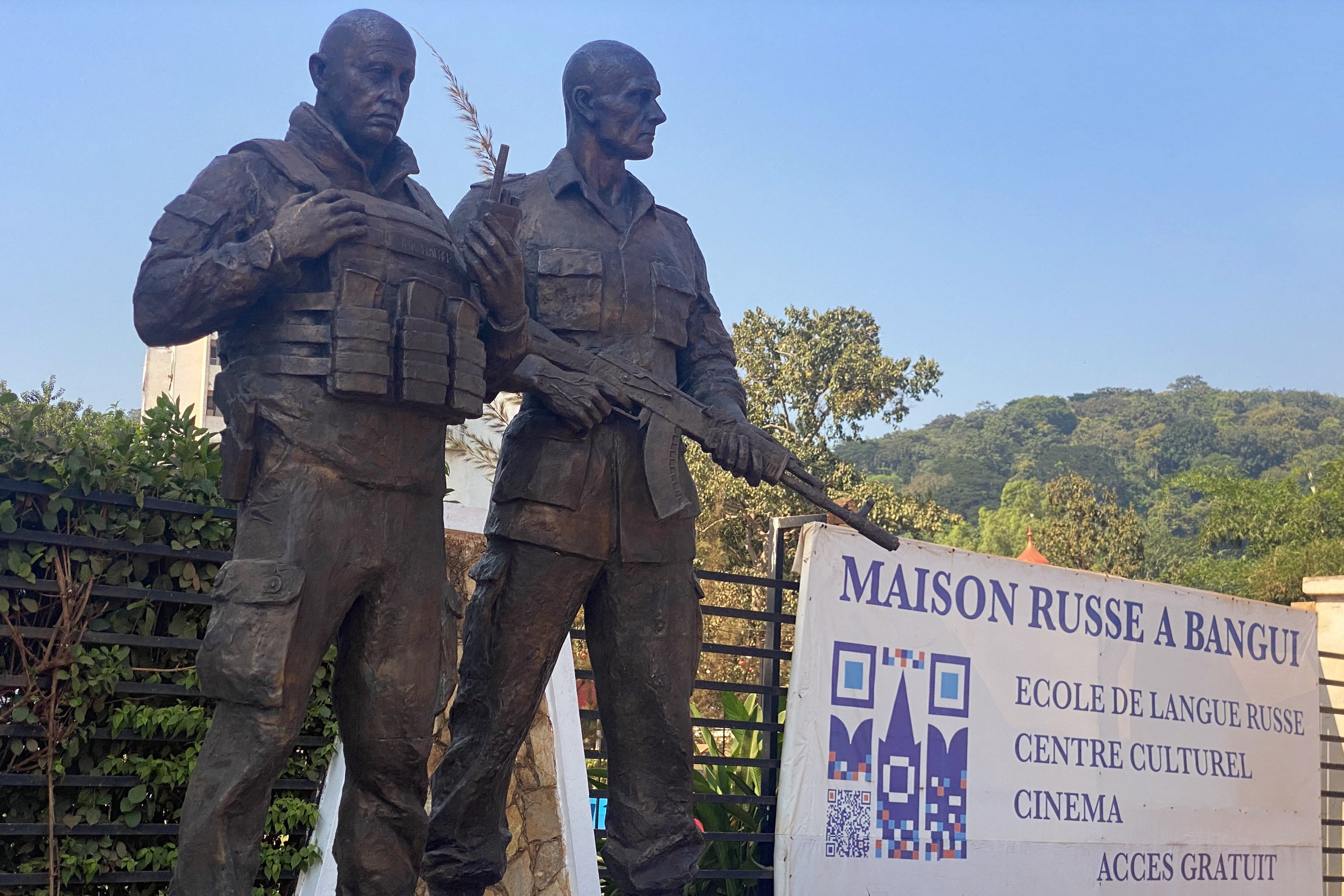
The impacts go beyond Mali. The country has been a key part of Russia’s global military operations and, by providing assistance, Russia hoped to develop a reputation as a reliable ally and security provider in Africa and beyond. Incidents like this go against that image. This ties into Russia’s colonialist actions in Africa, from extracting gold and resources in the Central African Republic, recruiting African men for its war machine, and the violence enacted by Wagner against civilians. Failures such as this can weaken its ambitions in Africa.
For Russia, the damage is reputational. If Russia cannot defend the Malian government, and clearly failed elsewhere, it will cause more countries and leaders to look elsewhere for security and cooperation. This can lead to further isolation for Russia.
“This crisis is definitely affecting the credibility of Russia’s interventions in the region,” said Ibrahim Yahaya Ibrahim of the Belgian-based International Crisis Group think tank.
It is another example in a long chain of Russia failing to assist its so-called allies, after the capture of Maduro in Venezuela, overthrow of Assad in Syria, or death of Khameini in Iran.
Discuss this article:

FAQ About the Mali War
What started the war?
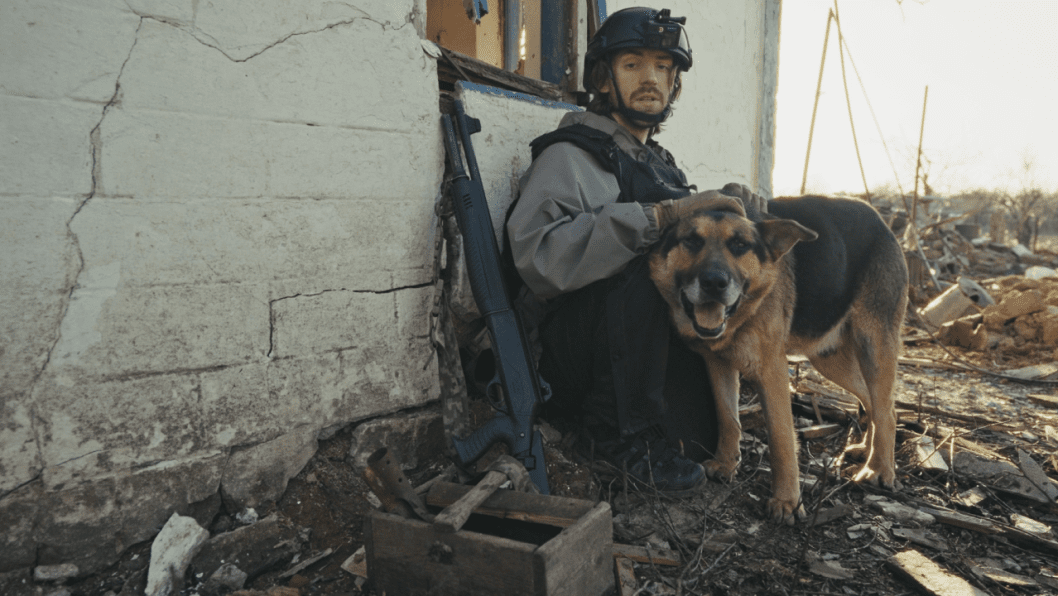
The war started in 2012 when Tuareg separatists, who had an increased desire for autonomy for the Azawad region, launched an uprising against the government which was denying them their demands. Later, radical Islamists joined the fight against t he government. This began a multi-sided and complex war with ever-shifting alliances and enemies, foreign intervention, as well as a series of coups.
Who is the FLA?
The FLA is the latest Azawad seperatist movement which is a result of the merger of different groups, including Tuareg seperatists and the Arab Movement of Azawad, who had previously fought with Tuaregs. Their main goal is self-determination for Azawad.
Who is opposed to the government?
The FLA is the main separatist force in Azawad, the north of the country. However, there are extremist Islamist groups such as Islamic State and Al Qaeda, who oppose the government. There is generally a multitude of factions each with variations of ideology, from secular to religios, ethnic to nationbased, who have aligned, uneasily, against the government.
Who are the Tuaregs?
The Tuaregs are a berber ethnic group, who practice a nomadic lifestyle. They live across multiple countries in the Sahara desert. A large part of the Azawad independence movement has been driven by different Tuareg groups.
What other countries are involved in the Mali War?
France were supporting the government in fighting the Islamist extremists up until 2022. Russia then stepped in to provider greater security to the Malian government. In addition, the United States and Türkiye have provided security and assistance. Weapons, fighters and supporters for the insurrectionists have allegedly come from Libya and Algeria . Ukraine was also accused of supporting rebel fighters, a claim that was denied.
Who leads Mali’s government?
Mali’s government government is a military-backed junta. The president is Assimi Goïta, who was appointed after a coup in 2021. The junta promised a transition to democracy but this has been postponed, elections which were promised in return for the lifting of sanctions were cancelled, and political parties have been banned under their rule.
What does Russia have to do with the war in Mali?
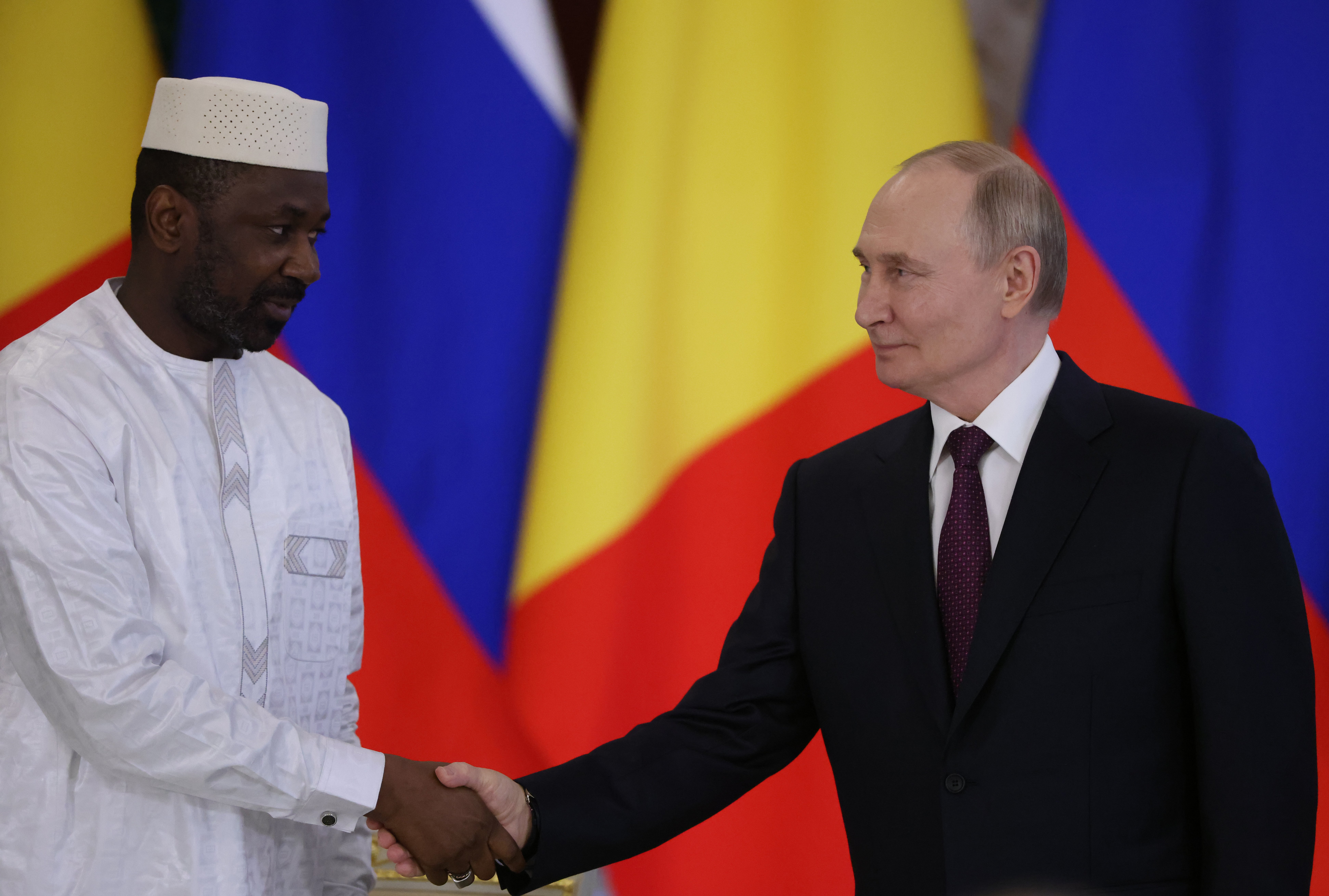
Russia has provided defense to the Malian government since 2021, and their presence increased in 2022 when France withdrew. Russia deployed the Wagner Group, under Prigozhin, and later, after it was dissolved, the Africa Corps have provided security assistance to the junta government.
-c439b7bd9030ecf9d5a4287dc361ba31.jpg "Photo of Katherina Popilnichenko")
-111f0e5095e02c02446ffed57bfb0ab1.jpeg "Photo of Roman Kohanets")