- Category
- World
Russia’s Military Is Expanding Across Africa. Suspiciously, So Is Its Church
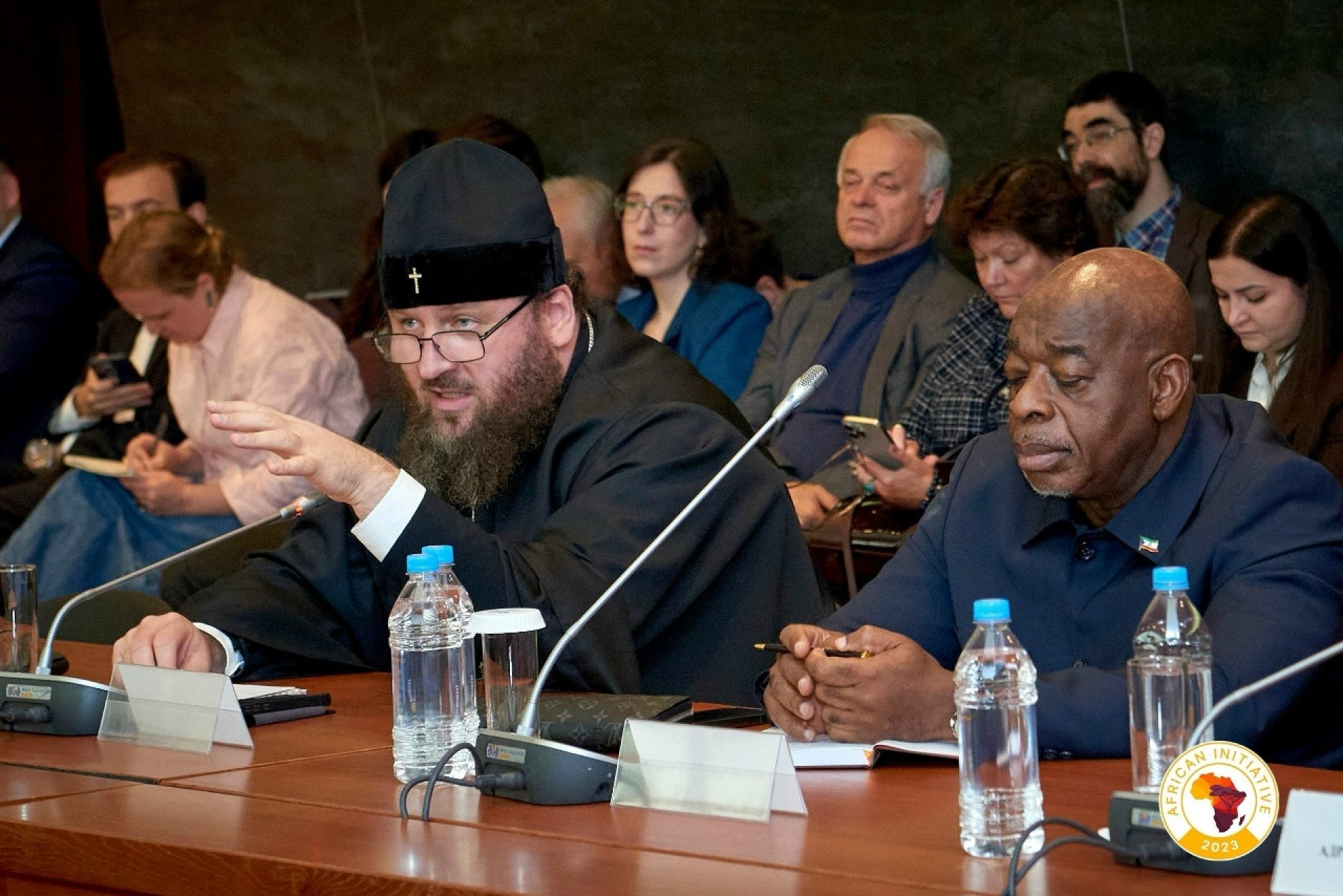
Russia’s Orthodox Church has grown to around 350 parishes across Africa in just four years. Now, as questions mount over its links to Moscow’s military presence, the Church insists: “We don’t recruit Africans for military service.”
 Prefer U24 Media on Google
- Authors


On March 3, 2026, the Patriarchal Exarch of Africa, Metropolitan Konstantin of Cairo and North Africa, did something the Church usually avoids: he publicly addressed accusations against it in its own media.
“The Russian Orthodox Church is present in Africa in order to bring forth the light of Christ,” he said.
The reason was a wave of reports by human rights organizations alleging that the Russian Orthodox Church was luring Africans with promises of education or jobs in Russia, only for them to be sent to combat zones or military factories instead.
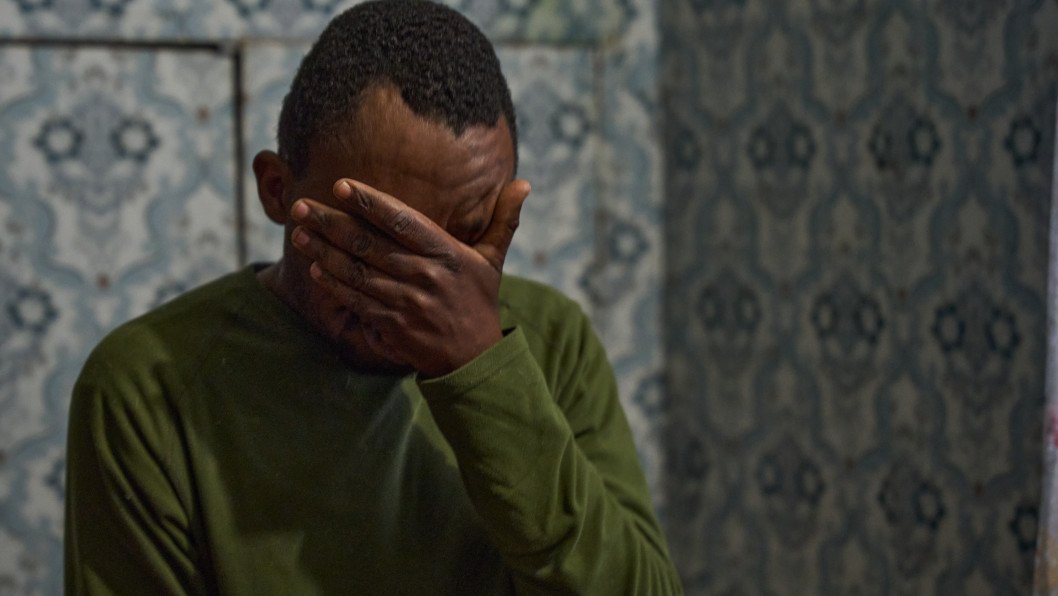
The allegations land against a much larger reality. Nearly 3,000 people from 37 African countries have already been recruited into Russia’s armed forces. At least 486 are known to have been killed. Some went willingly. Others were drawn to Russia by offers that had little to do with war—jobs, university places, high salaries, or the promise of legal status—only to find themselves pushed toward military service or work supporting Russia’s war machine.
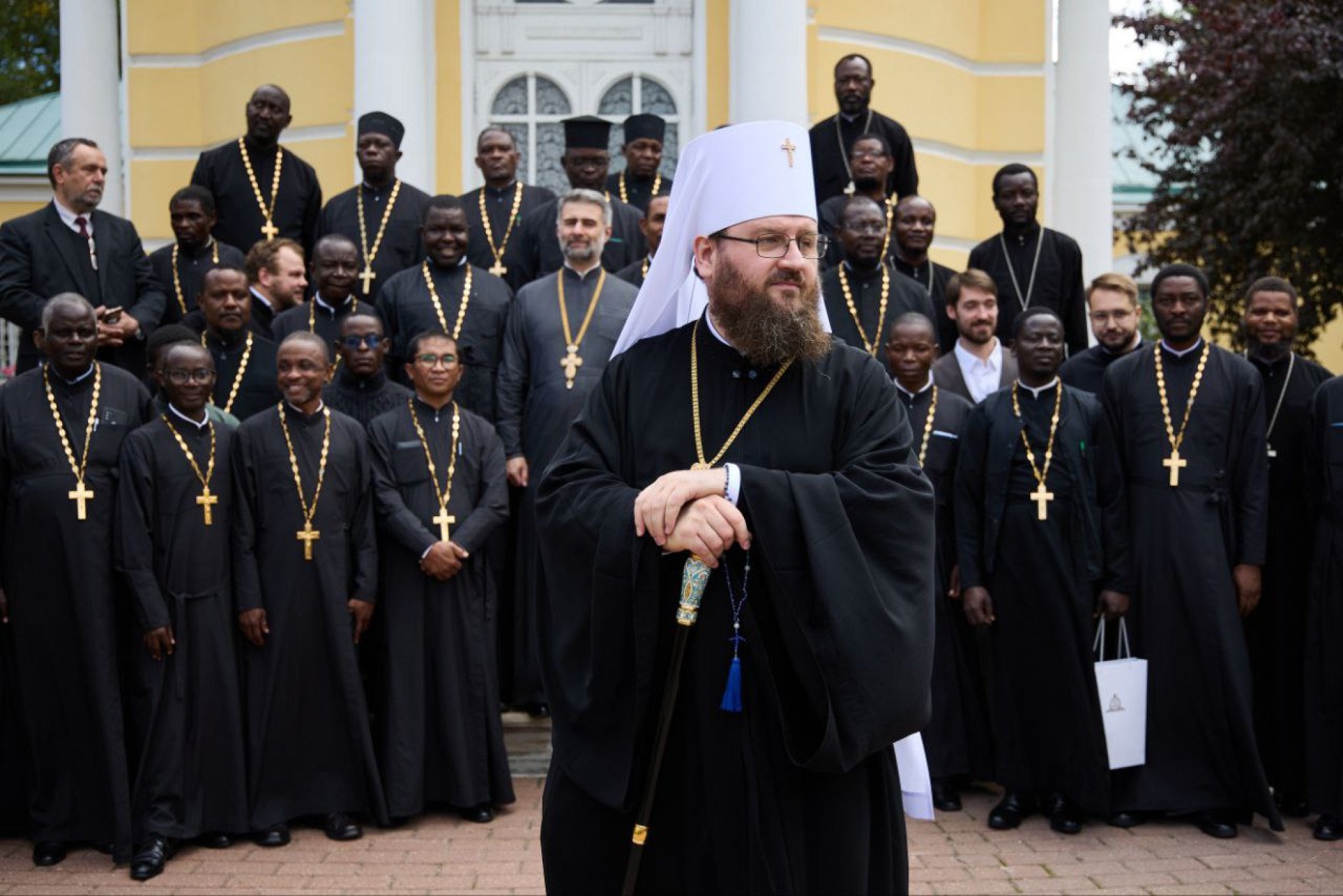
Konstantin called the allegations “falsehoods and slander” intended to distract from the Church’s mission. He claimed that almost all clergy in the Exarchate are Africans themselves and that during services they pray for their own governments and peoples.
How Russia’s Orthodox Church expanded rapidly across Africa
The scale of the expansion behind these suspicions is striking.
Before it established its African Exarchate in December 2021, the Russian Orthodox Church had only a handful of parishes on the continent—in Egypt, Morocco, Tunisia, and South Africa. South Africa was home to its only parish in sub-Saharan Africa. By early 2025, the ROC said it had over 350 parishes across 32 African countries, served by more than 250 priests.
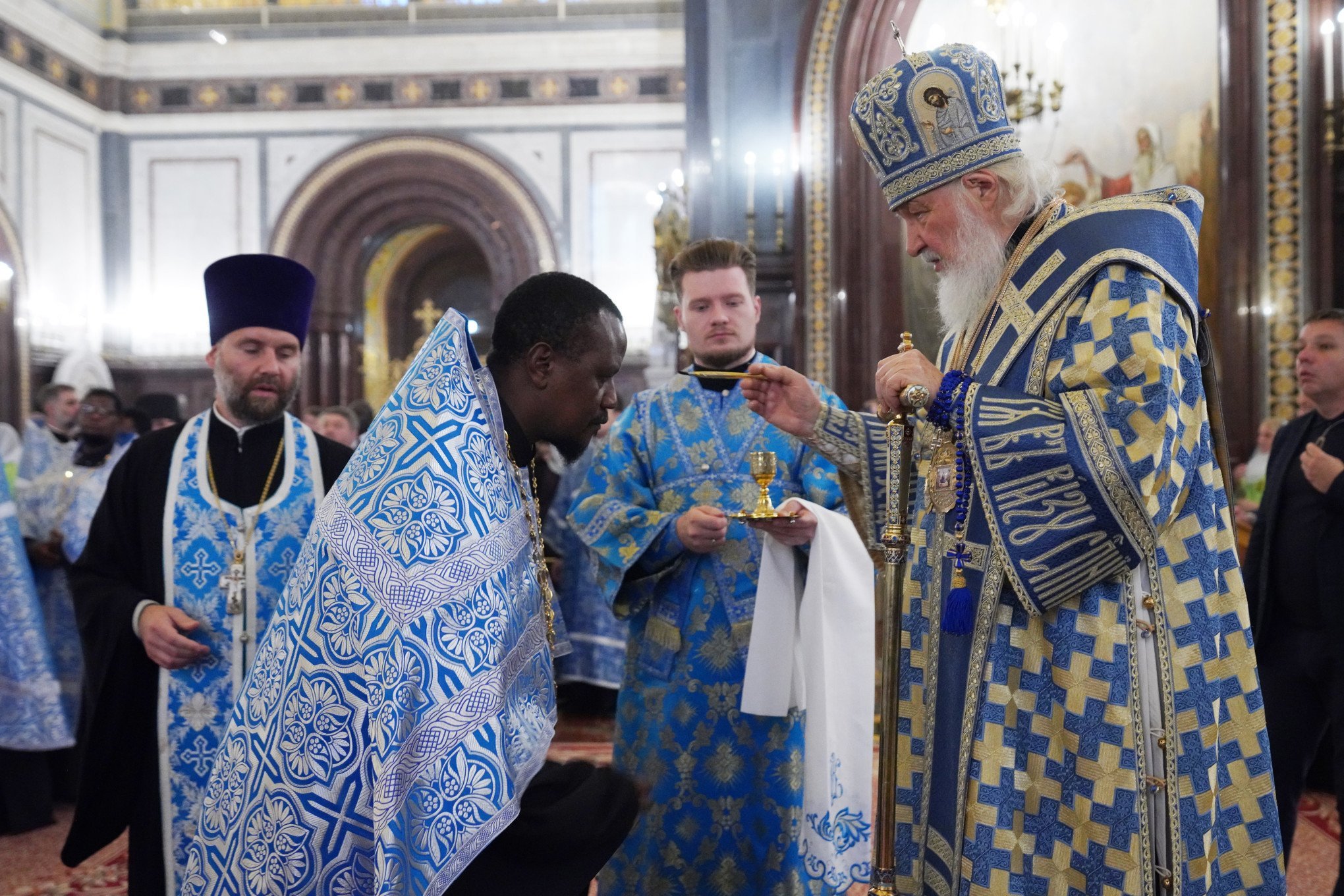
The Church is openly competing for believers with the Greek Orthodox Patriarchate of Alexandria, which has operated in Africa since 43 AD and counts around 1.3 million faithful. According to accounts from individual priests, the path to ordination in the Russian Orthodox Church can be considerably faster than with its rival: an online course, several months at a Moscow seminary, and ordination follows.
The very creation of this new structure is inseparable from the war in Ukraine. In 2019, Ecumenical Patriarch Bartholomew of Constantinople recognized the autocephaly—the full ecclesiastical independence from Moscow—of the Orthodox Church of Ukraine, a decision the Moscow Patriarchate still rejects and regards as a schism.
The Patriarchal Exarchate of Africa was established in December 2021, shortly after Patriarch Theodore II of Alexandria, whose jurisdiction historically extends across almost the entire African continent, also backed recognition of the Ukrainian Church’s independence. Moscow viewed the move as a betrayal and responded by accepting African clergy who opposed Theodore’s decision into its own jurisdiction. More than 200 African priests moved to the Russian Orthodox Church this way, according to Foreign Policy.
In August 2024, Patriarch Theodore publicly described Russia’s actions as “completely unjust, anti-brotherly, anti-church, and anti-canonical,” mentioning a “deafening silence” from the wider Orthodox world.
“Unacceptable, unjust, and unholy,” he said.
This battle for congregations has already spilled into open confrontations inside churches. In Kenya, Alexandrian bishops personally confronted priests belonging to the new Russian Exarchate during services and prohibited them from serving in diocesan churches. The local Kenyan bishop, Neophytos of Nyer, explicitly called on priests who had joined the Russian Orthodox Church.
The priests from Russia who entered Kenya and Tanzania came in and started invading our churches and wooing our clergy to become their disciples without following the right protocol. They are now everywhere else in Africa asking us to be against the Greek Bishops.
The Diocese of Bukoba in Tanzania officially described the Russian Exarchate’s actions as “schismatic and uncanonical” and called on Russian clergy to leave the country.
The head of the African Exarchate himself, Bishop Konstantin, was defrocked by the Patriarchate of Alexandria in February 2024. The Russian Orthodox Church refused to recognize the decision and, just a month later, formally confirmed him in the post. The sequence is telling in itself: being defrocked by one Orthodox Church did not prevent another from formally confirming him as the head of its structure in Africa.
Sources familiar with the situation from inside the Church offer a less flattering picture of the motivations of some African priests who switch allegiance to Moscow. Priests who make the move often had problems with their own Greek bishops before the “Russian opportunity” emerged, according to a representative of the Alexandrian administration who spoke to Orthodox Times.
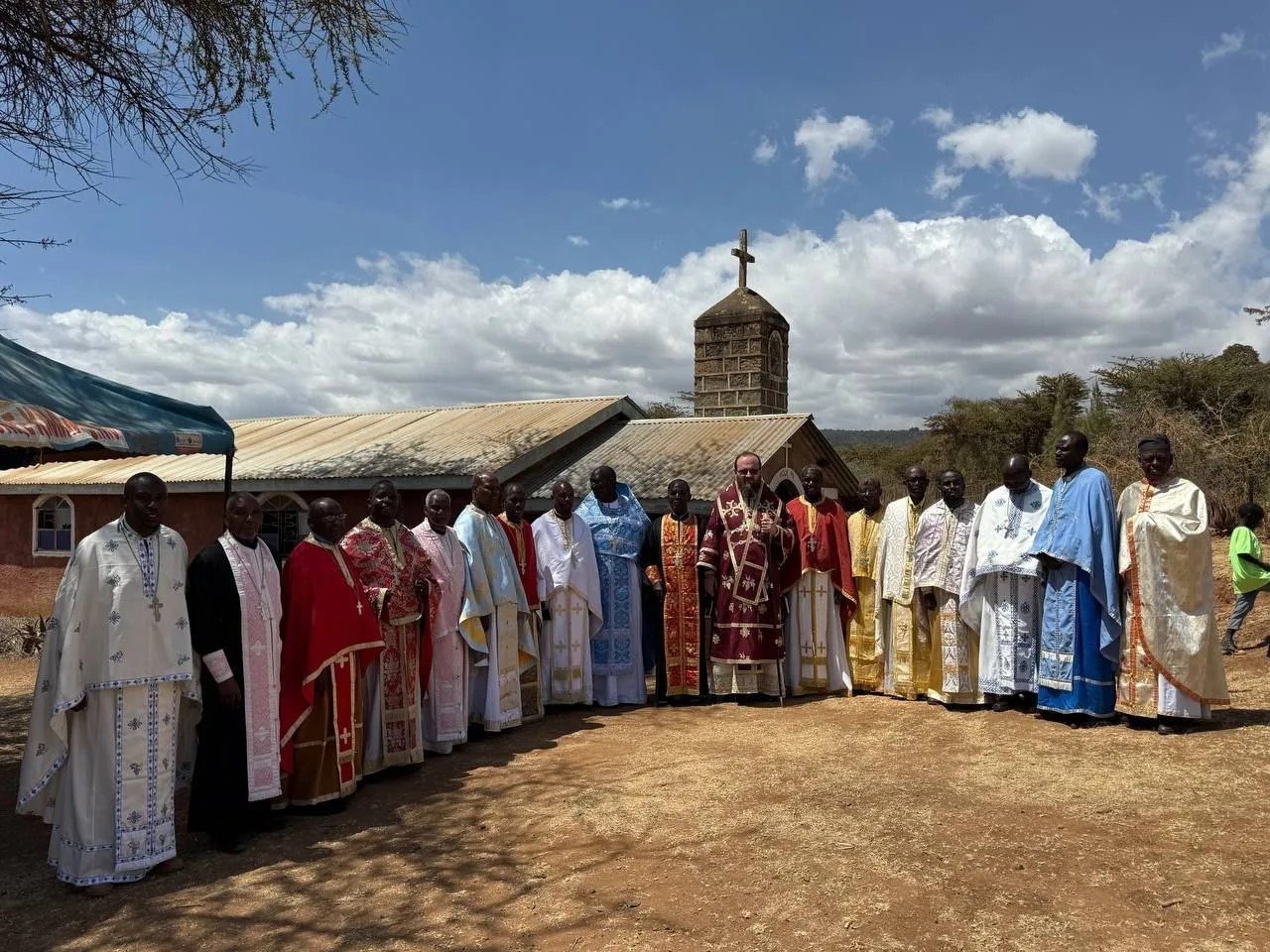
Where Russia’s church and military footprints overlap
In Mali and Burkina Faso, this expansion is taking place against an especially dangerous backdrop. Both are predominantly Muslim countries—in Mali, Christians account for around 8% of the population—where jihadists have targeted Christians for years. During the conflict in Burkina Faso, people have reportedly been executed for wearing crosses, churches have been attacked during services, and dozens of worshippers have been killed. In 2022, Burkina Faso was described as the country with the highest number of anti-Christian attacks in the world.
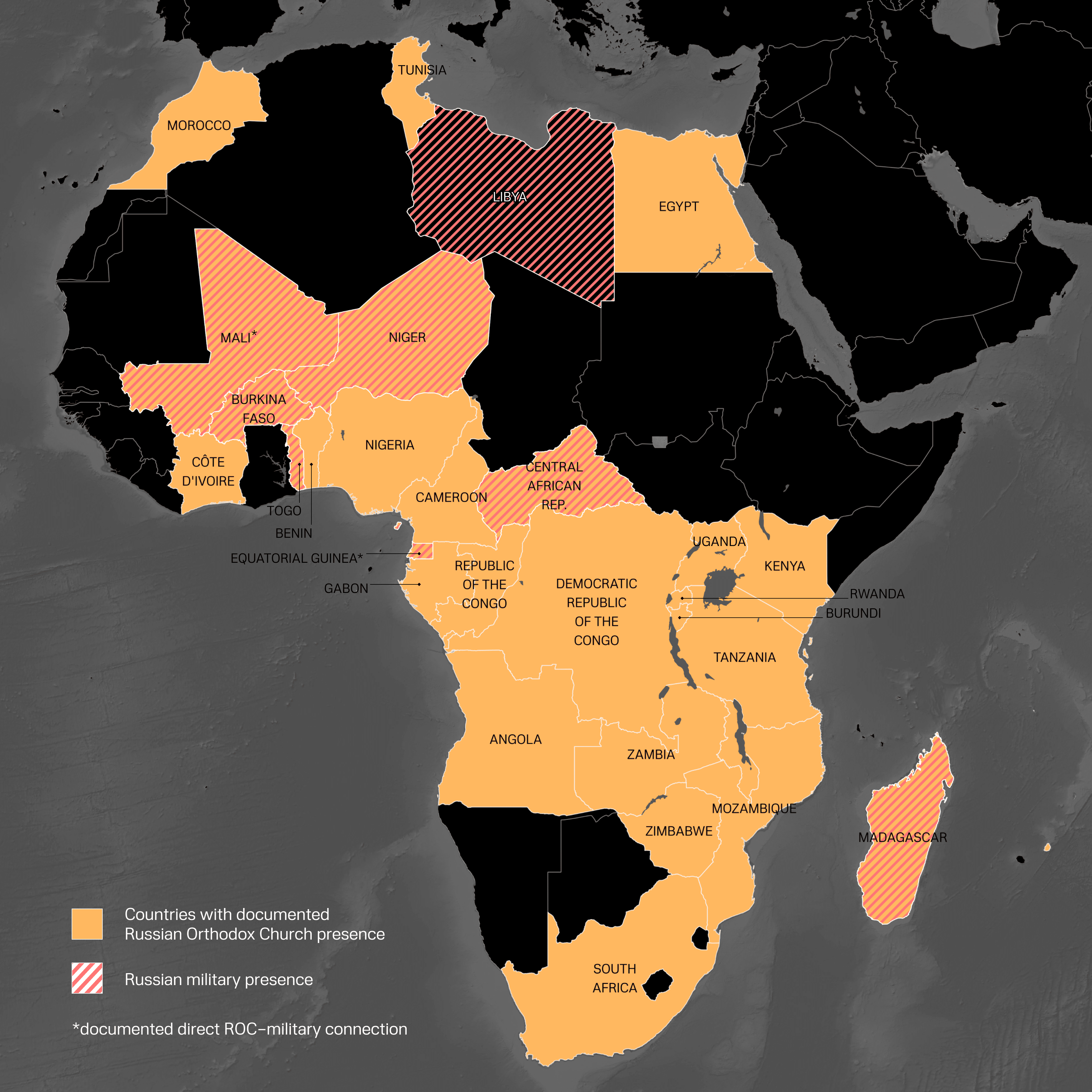
In this context, any new and highly visible religious presence—particularly one associated with a foreign state that is simultaneously conducting military operations in the region—creates risks regardless of the Church’s own intentions. For jihadist propagandists, it offers ready-made material for portraying the conflict as a religious confrontation involving foreign intervention.
The media support accompanying the Church’s expansion in these two countries does not come from some abstract propaganda machine, but from a specific and well-known organization: African Initiative. The agency emerged from Wagner’s information infrastructure and now serves the Africa Corps. Its director general, Artem Kureev, has been under EU sanctions since 2024 over coordinated disinformation campaigns.
Due to Wagner's recent flop in Africa: a brief overview of Russia's interests in the region. pic.twitter.com/go3S5Y1IIc
— UNITED24 Media (@United24media) July 29, 2024
Bishop Konstantin visited the Orthodox community in Ouagadougou, the capital of Burkina Faso, on October 19, 2024, for a service attended by Russian Ambassador Igor Martynov, who publicly announced plans for the Russian Orthodox Church to expand in Burkina Faso. The following day, both the Russian Embassy and African Initiative republished details of the event.
Several months later, on January 7, 2025, the Burkina Faso-based African Initiative Association, linked to African Initiative, posted a Christmas greeting on Telegram marking the fifth anniversary of the Russian Orthodox Church’s presence in the country. The post included telephone numbers for people interested in joining the Church.
Researchers at the African Digital Democracy Observatory documented a less transparent component of the campaign: a network of at least 16 Burkina Faso-based Facebook accounts simultaneously copied and circulated reports about the same bishop’s visit over the three days following the original publication.
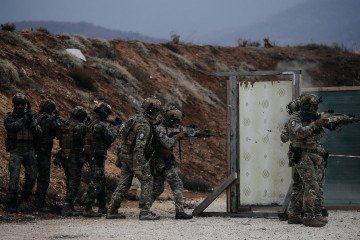
In Mali, the overlap became even more explicit. In November 2025, the Patriarchal Exarchate consecrated a chapel directly at an Africa Corps deployment site—an event the Exarchate itself publicized through its communications channels. A similar consecration at an Africa Corps site in Niger followed in January 2026.
A similar overlap emerged in Equatorial Guinea. In July 2026, Russian Orthodox priest Georgy Maximov visited an Africa Corps base, where he prayed with Russian servicemen, held a pastoral conversation, distributed religious literature, and heard confessions. Two days later, Africa Corps personnel stationed in the country attended a Divine Liturgy celebrated by Maximov in Malabo.
In other words, while the Church and Russia’s state-backed cultural centers, known as Russian Houses, formally operate separately, the Africa Corps’ media infrastructure and the Church’s expansion have concrete, publicly documented points of connection.
It is important to distinguish between two parallel structures that can easily be conflated. The network of Russian Houses, operated under Rossotrudnichestvo, consists of secular cultural centers offering language courses, exhibitions, and educational programs, and has no formal relationship with the Church. The Patriarchal Exarchate of Africa is a separate, exclusively ecclesiastical structure of the Moscow Patriarchate, directly subordinate to Patriarch Kirill.
Open sources provide no confirmation that Rossotrudnichestvo’s Russian Houses operate as a single, coordinated instrument alongside the Church, or that Russian House programs in these three countries systematically incorporate Orthodox symbolism. But, as demonstrated above, the parallel media structure—African Initiative—has openly demonstrated coordination with the Church.
Even without formal coordination between the Russian Orthodox Church and Russian Houses, however, the overall effect is the same: an expansion of Moscow-friendly presence in countries where the Africa Corps is operating in parallel.
A Church that grew from a few parishes to 350 in four years; cultural centers opening alongside the return of Russian embassies after decades of absence; and a media machine that regularly covers every episcopal visit—these are not simply three separate coincidences, but manifestations of the same strategic prioritization. Where Russia establishes a military presence, its cultural, media, and religious presence takes root alongside it.
The effort Bishop Konstantin has devoted to denying recruitment allegations demonstrates that even the Church itself understands how easily this presence can be interpreted as part of a broader mission that is not purely spiritual.
Even the media covering this expansion have split along much the same lines as the Church itself.
On one side are sources close to the Russian Orthodox Church. On August 20, 2026, Father Georgy Maximov, head of the African Exarchate’s missionary department, published an article on Russian propaganda outlet RT (Russia Today), accusing Alexandria itself of “spiritual betrayal” of its African flock. For these sources, the story is not one of expansion, but of rescuing believers from a schism supposedly caused by the recognition of the Ukrainian Church’s independence.
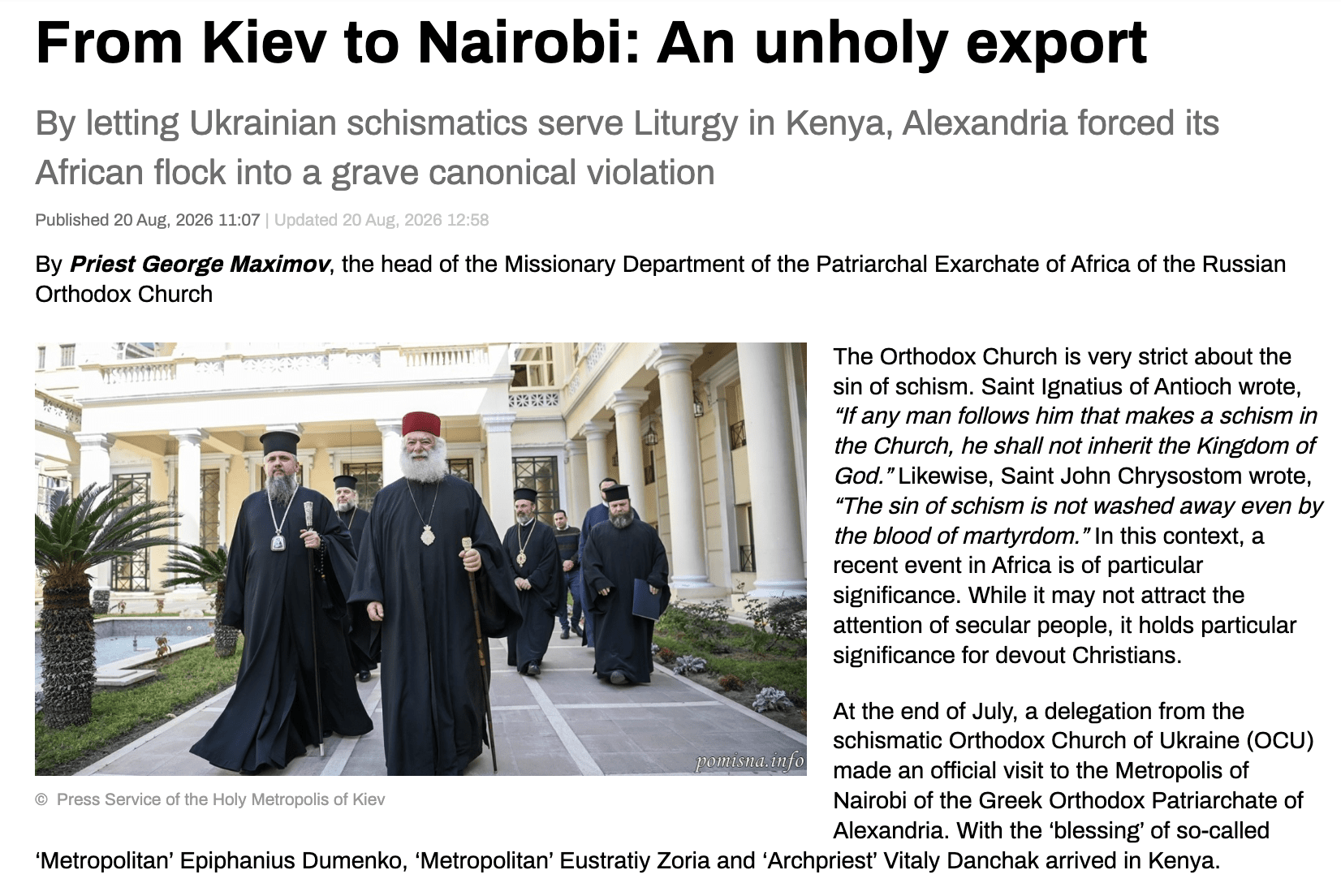
On the other side are independent religious publications that have increasingly begun asking more pointed questions. In August 2026, a Religion Unplugged columnist explicitly asked whether this rapid expansion amounted to a form of “spiritual colonialism.”
The facts assembled above suggest an answer: this is not simply an organic religious movement from below, but faith being used as an instrument of geopolitical influence. The Church’s structures are growing where Russia’s military presence is expanding; the Africa Corps’ media ecosystem covers episcopal visits with the same attention it gives its own activities; and chapels are being consecrated directly on military bases.
Here, the cross is following the same route as the gun—and that is why the question of “spiritual colonialism” has ceased to be merely rhetorical.
Discuss this article:

-111f0e5095e02c02446ffed57bfb0ab1.jpeg "Photo of Roman Kohanets")
-72b63a4e0c8c475ad81fe3eed3f63729.jpeg "Photo of Cyril Barabaltchouk")