- Category
- Defense Tech
Renault Enters the Robot War With a Lunar-Style Military Rover That Carries a Ton and Mounts a Gun
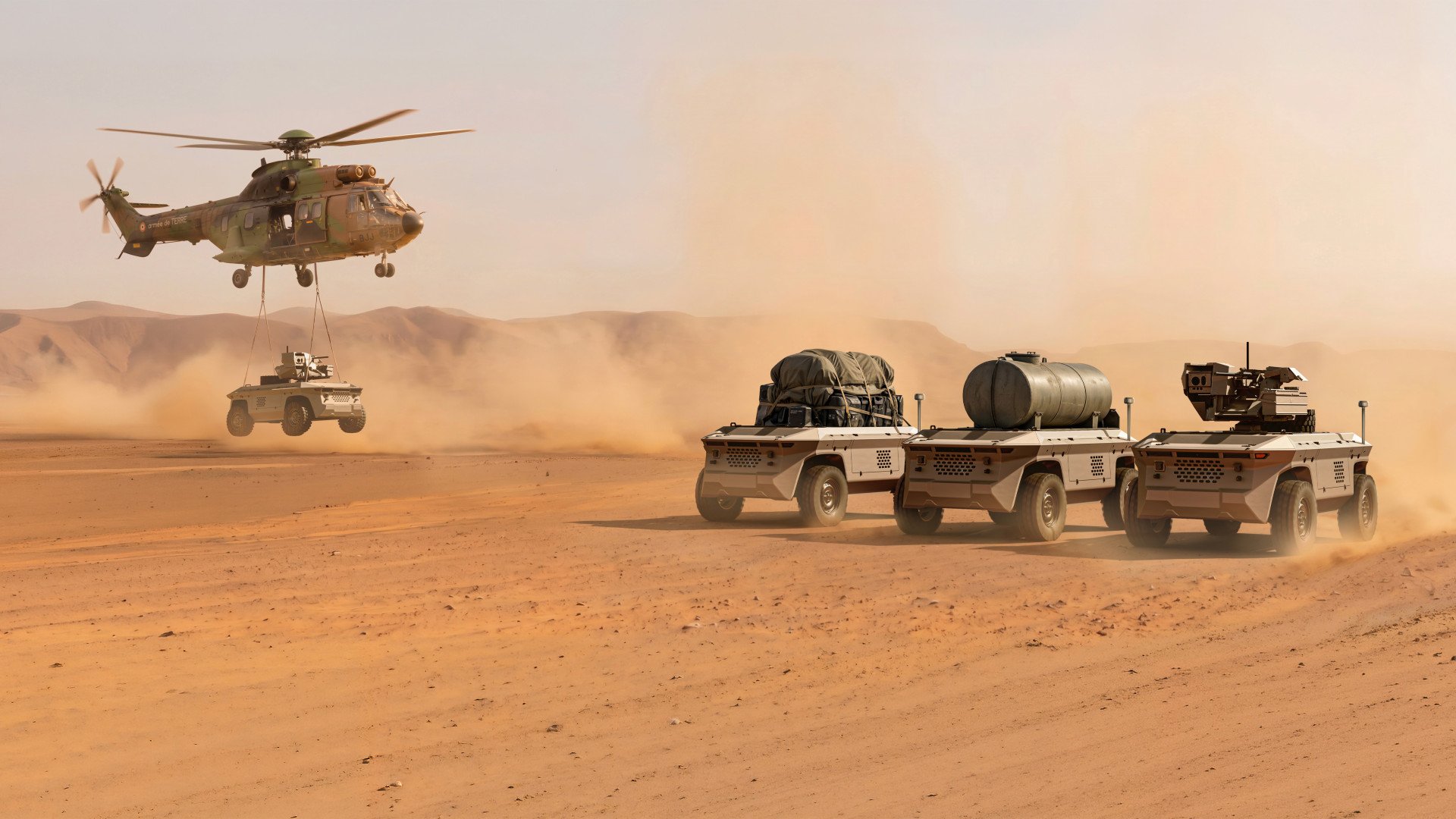
Renault’s newest military experiment is essentially a driverless battlefield mule that can haul a ton of gear, carry weapons, and potentially be dropped into action by helicopter before driving off on its own.
 Prefer U24 Media on Google
- Authors


French automaker Renault and Belgian defense company John Cockerill have unveiled Forefront, a large modular unmanned ground vehicle designed to haul up to one metric ton, travel hundreds of kilometers, operate autonomously, and potentially arrive on the battlefield suspended beneath a helicopter, according to a company press release on November 3.
We bring you stories from the ground. Your support keeps our team in the field.
The Forefront Concept was first announced earlier in 2026, when its appearance was described simply as something that “looks like a moon rover.” Its public debut had initially been expected at the Eurosatory defense exhibition in June, but the first full presentation was ultimately pushed back until November.
Roughly the size of a passenger car, Forefront is designed as a modular platform capable of taking on a wide range of missions.
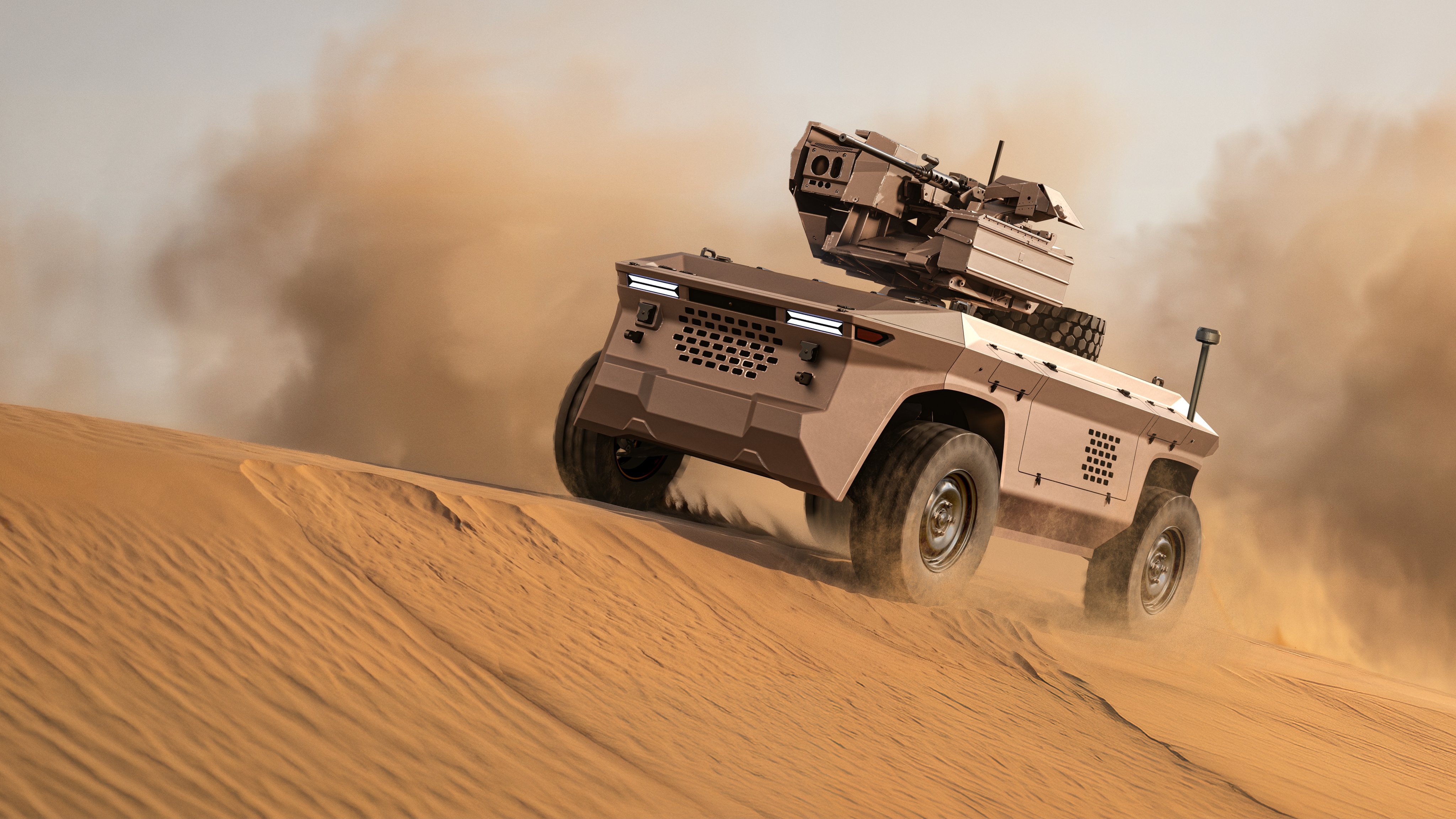
Those include battlefield logistics, reconnaissance, casualty evacuation, counter-drone operations, and fire support. A remotely operated weapon station can also be mounted on the vehicle, turning the platform into an armed combat robot.
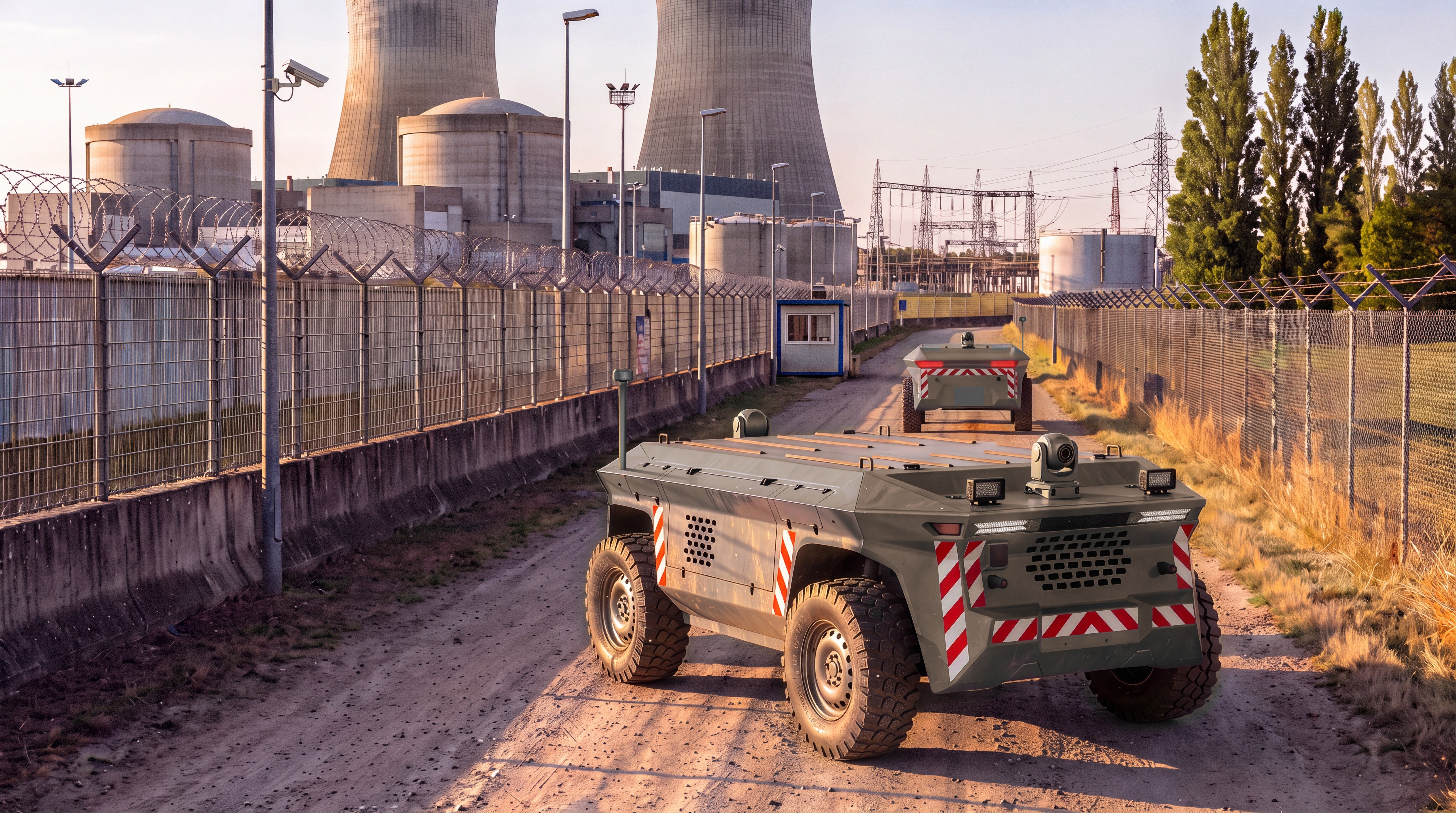
Renault and John Cockerill are not limiting the design to military use. Concept images also show Forefront working as an autonomous cargo carrier at construction sites and as a patrol platform for perimeter security.
Ton of payload, 400 kilometers of range
Forefront can carry up to 1,000 kilograms, or roughly 2,200 pounds, of cargo.
The platform uses two electric motors, all-wheel drive, and four-wheel steering, helping it maneuver through difficult terrain while keeping the vehicle relatively compact.
Renault says its standard battery configuration should provide a range of about 400 kilometers, or roughly 250 miles.
That figure can be extended using an additional range-extender module, although the companies have not yet disclosed detailed specifications for either the main battery or the auxiliary power unit.
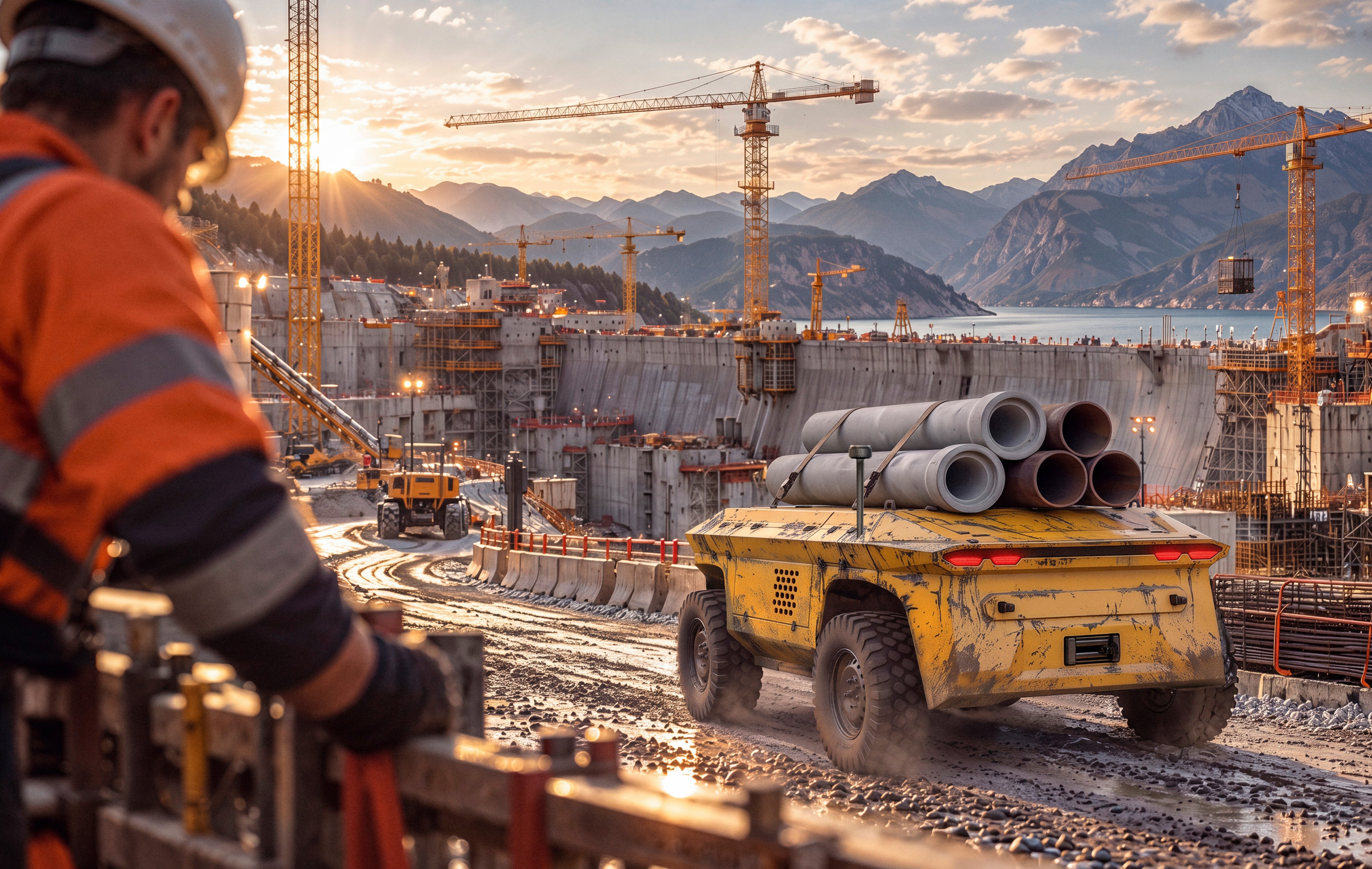
The vehicle can be driven remotely by an operator or placed into an autonomous mode, allowing it to navigate difficult or dangerous terrain without a crew aboard.
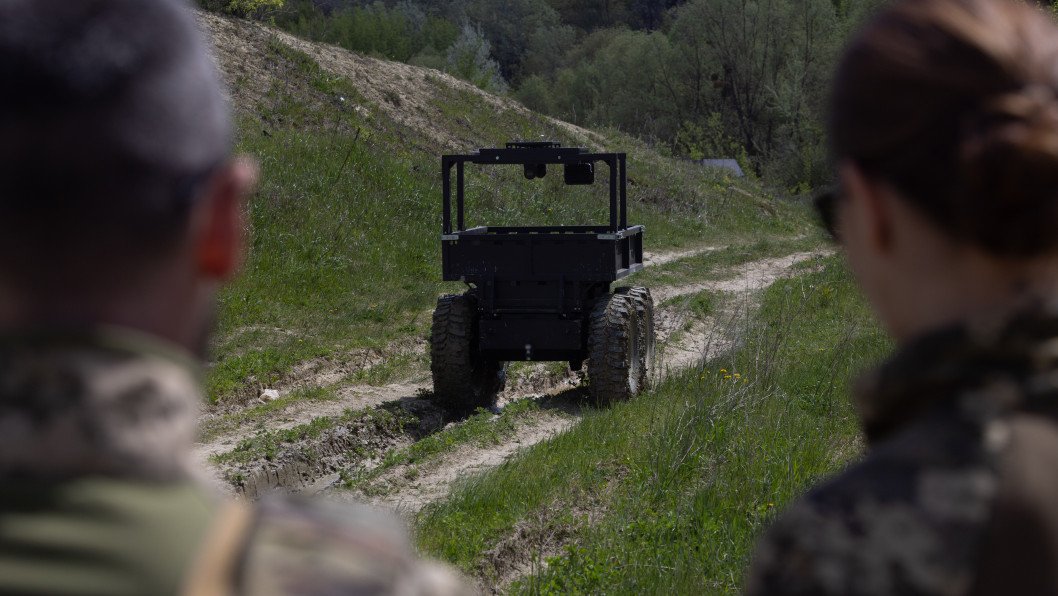
Ukraine has a lot of experience in combat robot development and use. In the first eight months of 2026, the number of monthly missions carried out by unmanned ground vehicles on the front line more than tripled, with the total number of robotic missions around 112,000.
Ukraine’s unmanned ground vehicles carried out more than 25,000 missions, Ukraine’s Defense Ministry reported, releasing new statistics for August.
Robot that can arrive by helicopter
One of Forefront’s more unusual potential capabilities appears in the concept imagery.
The platform is shown being transported as an external load beneath an H225 helicopter.
Theoretically, the helicopter could use an electrically controlled cargo hook to release Forefront directly onto the ground, allowing the UGV to be rapidly moved toward a frontline area and begin operating autonomously after delivery.
That could allow militaries to deploy a heavy unmanned platform into areas that would otherwise require a lengthy overland movement.
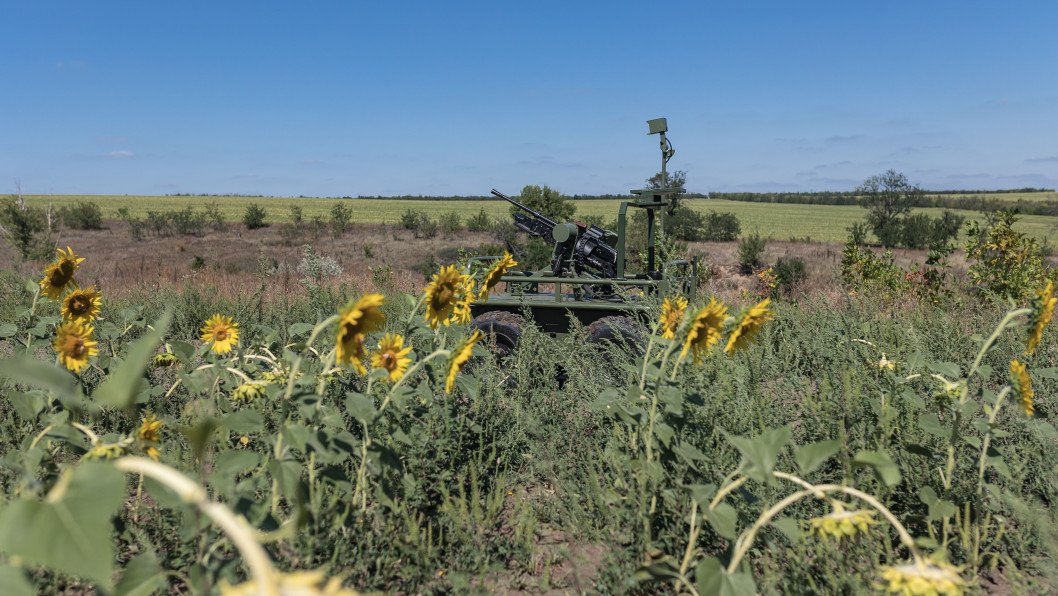
Similar tactics were used during recent Ukrainian Operation Vivaldi, when Ukraine’s 3rd Assault Brigade has begun air-dropping armed ground robots from heavy drones as far as 10 kilometers behind Russian lines, using the machines to hunt command posts, drone crews, supply hubs, and assault groups deep in the rear.
Renault builds vehicle, John Cockerill adds combat systems
The two companies have divided development responsibilities according to their existing expertise.
Renault Group is responsible for the vehicle platform itself, modular architecture, and the industrial work needed to scale production.
John Cockerill is handling remote-control technology, autonomous driving systems, military equipment integration, and potential weapons packages.
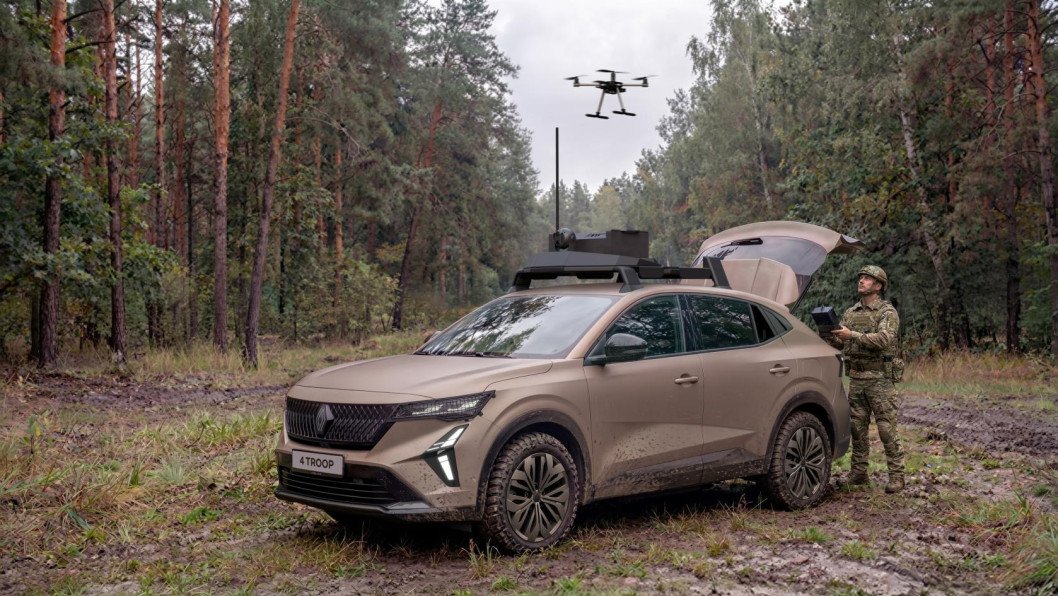
The companies say Forefront was deliberately designed around proven automotive technologies and components rather than an entirely bespoke military vehicle architecture.
That approach is intended to keep production costs relatively low and make large-scale manufacturing easier if military demand emerges.
French military trials coming next
France’s armed forces are expected to put Forefront through a series of trials and exercises in the coming weeks.
Feedback from those tests will be used to modify and refine the platform before any potential transition toward serial production.
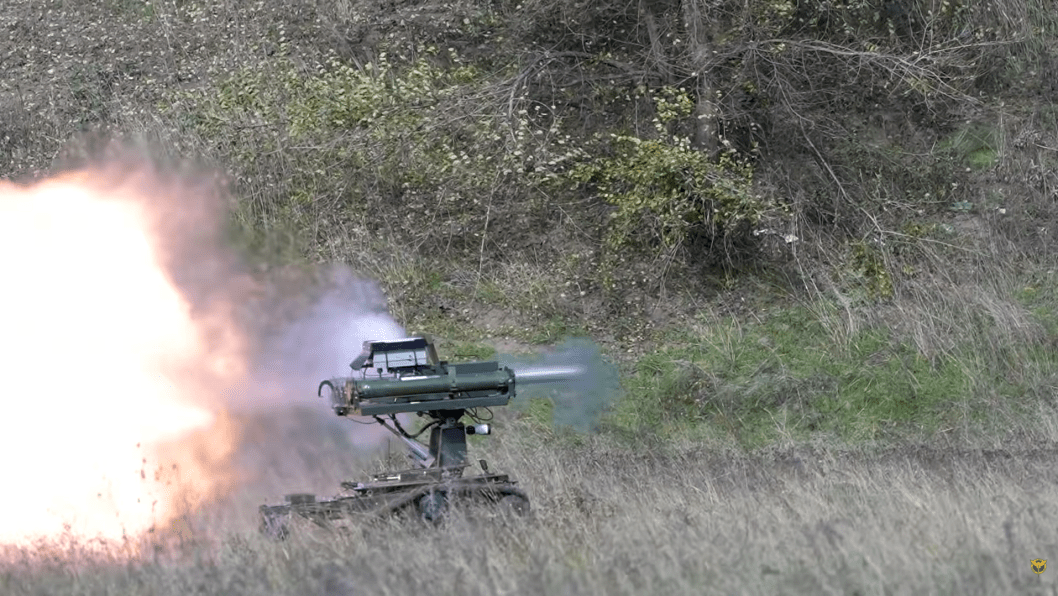
Renault has not disclosed a projected unit price. If sufficient demand develops, however, the company says Forefront could move beyond the concept and testing stage into mass production.
French Army and industry are not the only ones interested in the Ukrainian experience of robot warfare. Earlier, DevDroid demonstrated its Droid TW 7.62 and heavier Droid TW 12.7 during an intensive training scenario involving Italian troops.
In addition, Poland has begun using artificial intelligence to monitor its border with Belarus, combining feeds from cameras, drones, and other sensors into a single system that automatically flags suspicious activity for soldiers and Border Guard officers.
Discuss this article: