- Category
- World
YouTube Blocks Ads for Alabuga Shahed Drone Factory Recruiting Russian Teenagers
 Prefer U24 Media on Google
- Authors

-111f0e5095e02c02446ffed57bfb0ab1.jpeg "Photo of Roman Kohanets")
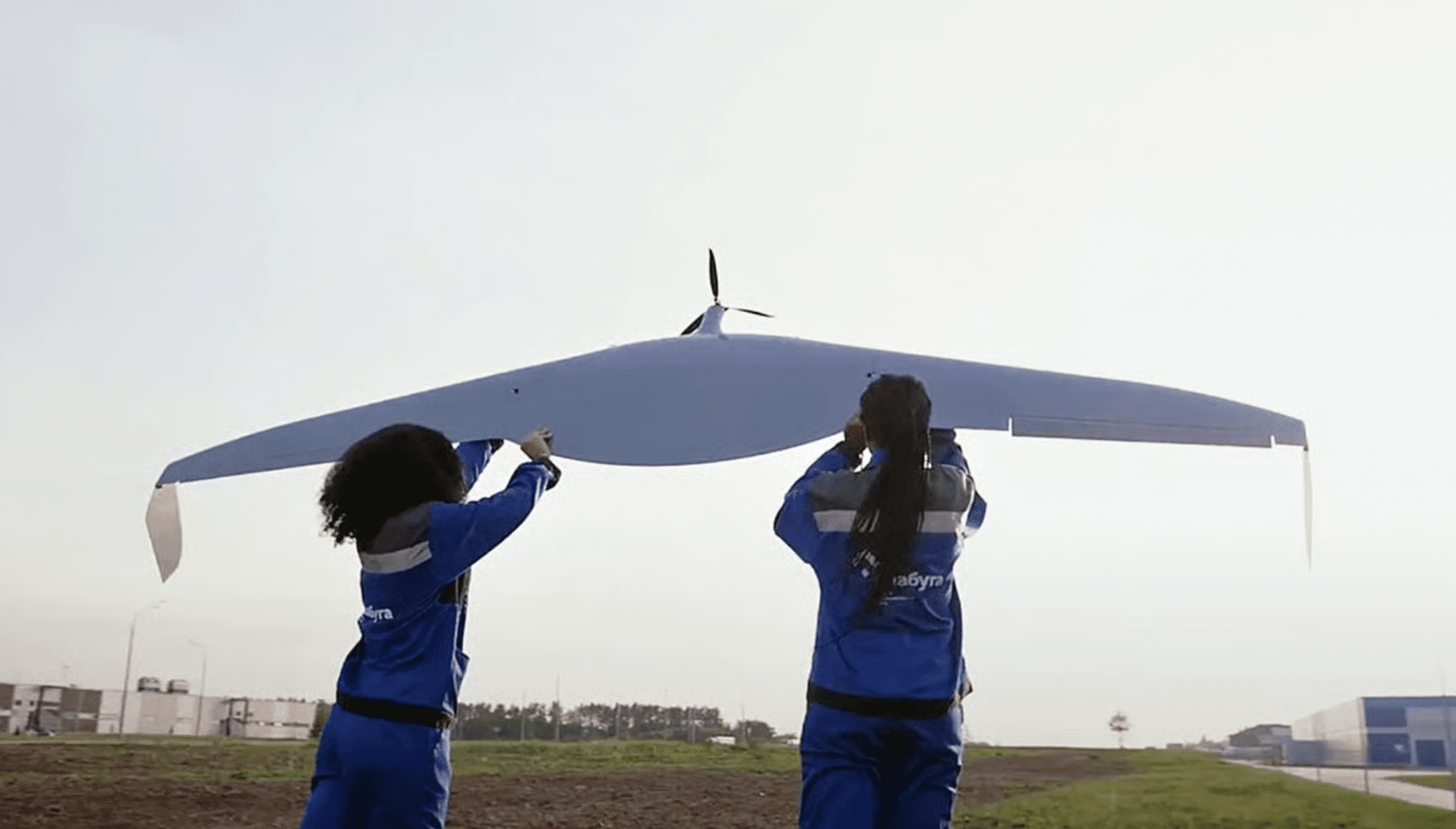
YouTube is blocking advertisements for Alabuga Polytech, a Russian college where teenagers assemble Shahed-type attack drones, removing at least 61 videos, The Moscow Times reported on June 11.
The takedowns were first flagged by blogger Alexei Gubanov, known as Khesus, who noted that the affected channels include telblog.net, KUB, Asafyev Stas, PARADEEVICH CHILL, and other million-subscriber accounts.
We bring you stories from the ground. Your support keeps our team in the field.
The removals hit a recruitment pipeline that openly draws Russian minors into building the drones launched nightly at Ukrainian cities, as the Kremlin scrambles to cover a historic labor shortage.
Gubanov indicated that the videos were likely removed following a legal complaint from a state body or another authorized body. Alabuga's official channel has also vanished from YouTube, though Web Archive data shows it was still active last year. TikTok and Twitch previously blocked the college's advertising.
The campaign launched in early spring and was the first to state directly that underage students assemble combat drones at a plant in the Alabuga special economic zone. Advertising agencies reportedly offered bloggers roughly $3,500 to $21,000 per video.
Why does @YouTube allows ads that encourage russians to join killing Ukrainians in the largest drone plant on earth?https://t.co/5n02aoDMFW https://t.co/srz8hqE9ug pic.twitter.com/QNKxX81GO4
— 𝖕𝖚𝖘𝖘𝖞 𝖗𝖎𝖔𝖙💦 (@pussyrrriot) May 28, 2026
The ads claimed students earn roughly $2,100 to $4,900 a month for drone assembly. College head Elvira Fomina later claimed at the St. Petersburg International Economic Forum that pay can reach about $6,900.
Alabuga Polytech operates under Western sanctions. In April 2026, the EU imposed personal restrictions on Timur Shagivaleev, general director of the special economic zone, who has publicly described the site as "the largest strike drone factory in the world."
Radio Free Europe journalists reported in May that the college's territory had grown by 340 hectares over the past year, with at least ten air defense systems deployed around the site.
Moscow is now rewriting the labor law to widen the pipeline. The State Duma has drafted amendments scrapping the ban, currently fixed in Article 265 of the Labor Code, on employing minors in jobs classified as harmful or dangerous. Duma labor committee head Yaroslav Nilov explained that teenagers will be allowed to work where "today, due to excessively imposed requirements, they cannot."
-f4d5266315a9d50523f32c409d842773.png)
The drive to put teenagers on factory floors reaches the top of the Russian state. Maria Lvova-Belova, the presidential commissioner for children's rights, wanted by the International Criminal Court over the deportation of Ukrainian children, declared that 78% of Russians support early employment of minors.
Her push for early "vocational guidance" came as 1.2 million teenagers entered the labor market in a year, and Central Bank chief Elvira Nabiullina described the worker deficit as unprecedented in modern Russian history.
Alabuga's recruitment machine has already drawn international penalties beyond the EU measures. In May, the United Kingdom sanctioned 35 individuals and entities tied to networks luring migrants and foreign nationals into Russia's war economy, either sending them to the front or coercing them into weapons plants.
The measures specifically named the Alabuga Start program, linked to drone production at the already-sanctioned industrial facility.
Discuss this article:
-4a56a6b482ec132402c16ef6fcabf9a2.png)


-c439b7bd9030ecf9d5a4287dc361ba31.jpg "Photo of Katherina Popilnichenko")