- Category
- World
Russia’s Starlink Rival Faces Rocket Bottleneck as Rassvet Satellite Network Expands
 Prefer U24 Media on Google
- Authors


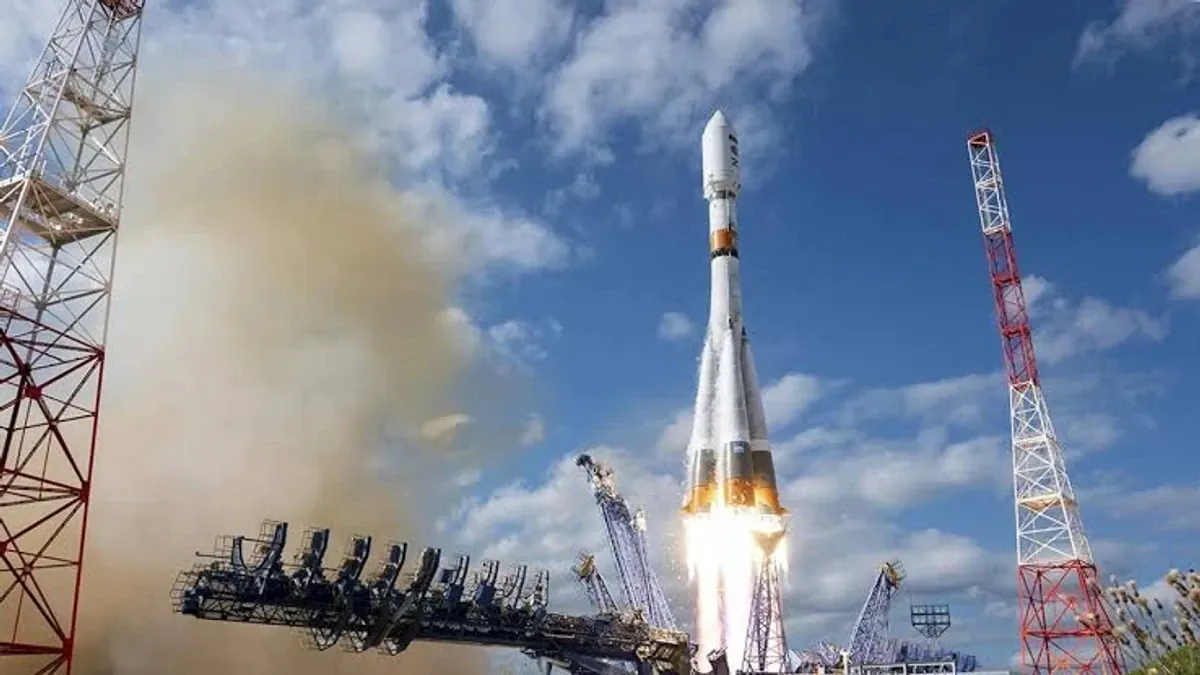
Russia is continuing to deploy its “Rassvet” satellite constellation, which is intended to serve as an analogue to Starlink. However, the project requires regular launches of carrier rockets. The first two groups of Rassvet satellites were launched into orbit using Soyuz-2.1b rockets manufactured by the Progress Rocket Space Centre in Samara.
According to Defense Express on August 13, the production of carrier rockets is one of the key constraints on the deployment of the constellation. The satellites can also be launched from the Plesetsk and Vostochny spaceports in Russia, as well as the Baikonur Cosmodrome in Kazakhstan.
We bring you stories from the ground. Your support keeps our team in the field.
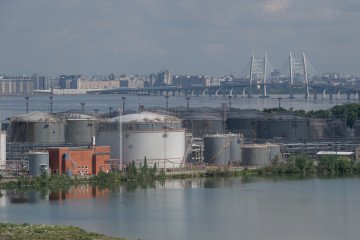
Soyuz-2.1b rockets are manufactured at the Progress Rocket Space Centre in Samara. The facility is located in a large industrial area on the southwestern outskirts of the city. Its production complex consists of workshops with a combined length of about one kilometer.
The facility manufactures rocket fuselages and individual components and also carries out final assembly. According to the information provided, Progress can produce up to 20 carrier rockets annually, the outket reported. Production follows an assembly-line process, with several rockets simultaneously undergoing different stages of assembly. The facility also conducts bench testing of individual components and assemblies.
The assembly of the Soyuz-2 relies heavily on manual labor and the qualifications of its personnel. The rocket is an evolution of the Soviet Vostok launch vehicle and consists of three stages powered by liquid-fuel engines, along with a payload fairing.
The Soyuz-2 is more than 50 meters tall and has a launch mass of about 313 tons. The rocket is currently produced in two main versions: the Soyuz-2.1a, designed to launch Soyuz spacecraft, and the Soyuz-2.1b, used to place satellites and other spacecraft weighing up to 7.4 tons into orbit, according to Defense Express.
After all rocket components are manufactured and tested, they are loaded onto seven freight railcars and transported to the designated spaceport. There, the components are assembled, the payload is integrated, and the rocket is installed on the launch pad, fueled, and prepared for launch.
Since 2022, Russia has conducted an average of six to eight Soyuz-2.1b launches per year. In 2026, according to the information provided, four such launches had been conducted so far.
-7e70859e06a6ddb33554491dbcc7a42f.png)
Russia has announced that the Rassvet constellation will require at least 288 satellites for full operational capability. Since one Soyuz-2.1b can launch 16 of these satellites at a time, 18 launches would be required to reach that number.
At the same time, four months passed between the first two launches of Rassvet satellites.
Rockets of the Soyuz family are used not only to launch Rassvet satellites but also to deploy other military, civilian, and scientific spacecraft.
Russia also has another launch option for satellites: the Angara family of carrier rockets, which are manufactured at the Polyot plant in Omsk.
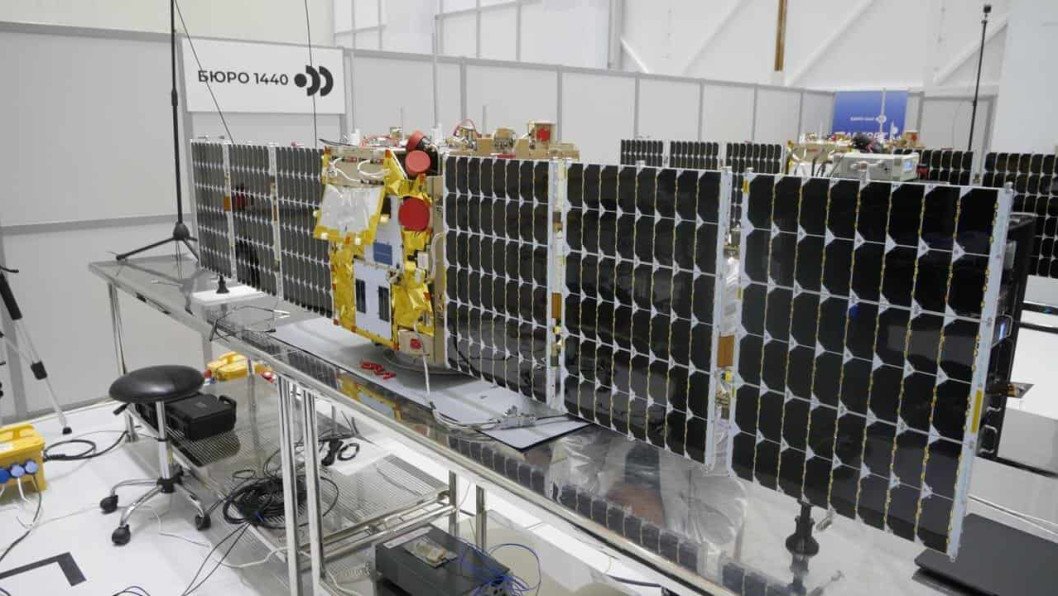
The planned expansion of Rassvet has also prompted discussion over how the constellation could be countered. However, Defense Express reported on August 5 that targeting individual satellites would likely be an ineffective and potentially counterproductive approach.
Unlike earlier military space systems that depended on a limited number of high-value spacecraft, modern satellite constellations are built around hundreds of interconnected satellites. As a result, the loss of individual Rassvet satellites would have a limited effect on the network as a whole.
Discuss this article:

-c439b7bd9030ecf9d5a4287dc361ba31.jpg "Photo of Katherina Popilnichenko")