- Category
- Latest news
Russia’s Digital Hydra Reaches Space With State-Backed MAX Messenger
 Prefer U24 Media on Google
- Authors

-111f0e5095e02c02446ffed57bfb0ab1.jpeg "Photo of Roman Kohanets")
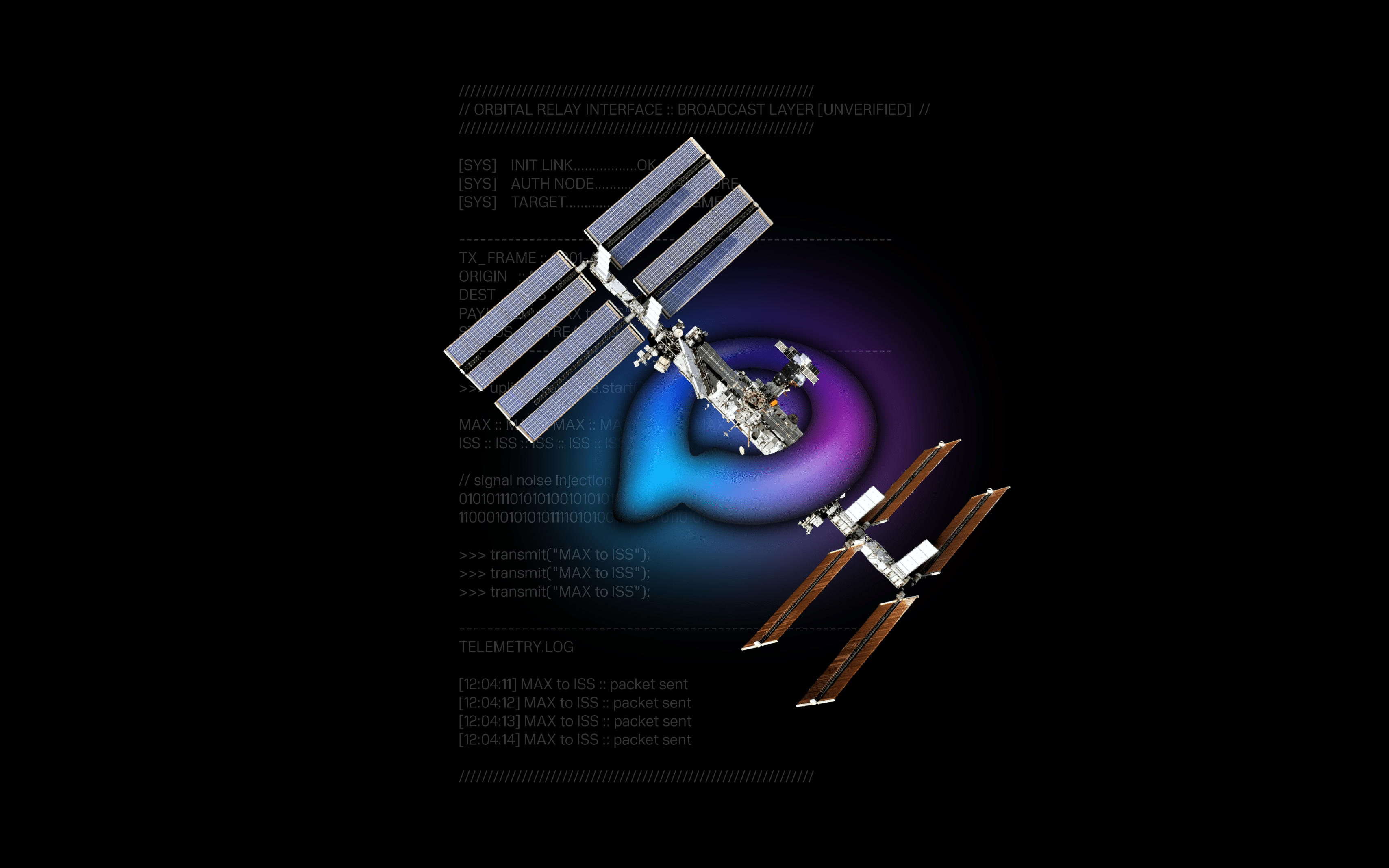
Russia’s state-backed messenger MAX has already been used to send more than 1,000 messages between the International Space Station and Earth, according to NEWS.ru on April 7.
The russian outlet attributed the claim to Dmitry Bakanov, head of Roscosmos , who made the remarks during the agency-organized national event, held April 6–12, marking Yuri Gagarin’s first spaceflight anniversary in Moscow.
We bring you stories from the ground. Your support keeps our team in the field.
“The MAX messenger is already working in space,” he stated, as quoted by NEWS.ru.
According to the report, Bakanov stated that cosmonaut Sergey Kud-Sverchkov, who is currently aboard the station, is using the domestic service to communicate with the Roscosmos press office.
Its press service noted that creators of open channels will be able to develop their own sticker packs, while celebrities and popular bloggers have already joined a trial version of the feature.
The final frontier for MAX
MAX is a VK-developed, Kremlin-backed messaging app that has been promoted not only through advertising but through pressure on users’ choices: Russia ordered it to be pre-installed on phones and tablets sold in the country, some state functions reportedly require MAX for verification, and officials openly urged users to switch after WhatsApp was blocked in February 2026.
Critics quoted by Reuters described that rollout as effectively coercive, warning that the app is being advanced as part of a broader “sovereign” communications system rather than through normal market competition.
-50c64d019d3899de5677f8b898913418.jpg)
The claim fits Russia’s broader push to emphasize homegrown digital services through high-visibility state projects as Russia launched the first 16 serial-production satellites for its Rassvet broadband system, presenting the network as a domestic alternative to Starlink.
Earlier reporting described Rassvet as Russia’s answer to a platform built around thousands of satellites, underscoring how limited the current launch remains by comparison.
The first batch of 16 spacecraft highlights the gap between the Kremlin’s stated ambition and the infrastructure required for worldwide broadband coverage.
Discuss this article:




-72b63a4e0c8c475ad81fe3eed3f63729.jpeg "Photo of Cyril Barabaltchouk")