- Category
- War in Ukraine
Why Shooting Down Russia’s New Rassvet Satellites Could Backfire
 Prefer U24 Media on Google
- Authors



Russia’s planned deployment of the Rassvet satellite internet constellation for military use has prompted questions about whether Ukraine could disable the system by destroying its satellites.
We bring you stories from the ground. Your support keeps our team in the field.
According to Defense Express on August 5, while anti-satellite strikes are technically possible, they would likely be an ineffective and potentially counterproductive way to counter a large orbital network.
The publication argues that modern satellite constellations differ fundamentally from earlier military spacecraft. Rather than relying on a few high-value satellites, systems such as Rassvet are designed around hundreds of interconnected satellites, making the loss of individual spacecraft far less significant.
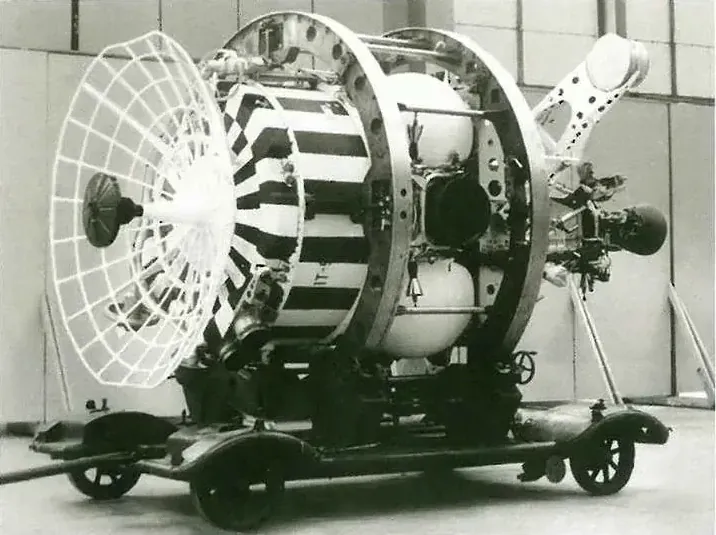
According to Defense Express, anti-satellite weapons have existed for decades. The Soviet Union carried out the world’s first successful satellite interception in 1968 using its Istrebitel Sputnikov (“Satellite Destroyer”) system, while the United States demonstrated a kinetic hit-to-kill capability in 1985 when an F-15 fighter destroyed a satellite with the ASM-135 ASAT missile.
However, the outlet notes that these historical examples targeted individual satellites—not large constellations. Russia plans to deploy at least 288 Rassvet satellites initially, with the network expected to expand to 730 spacecraft.
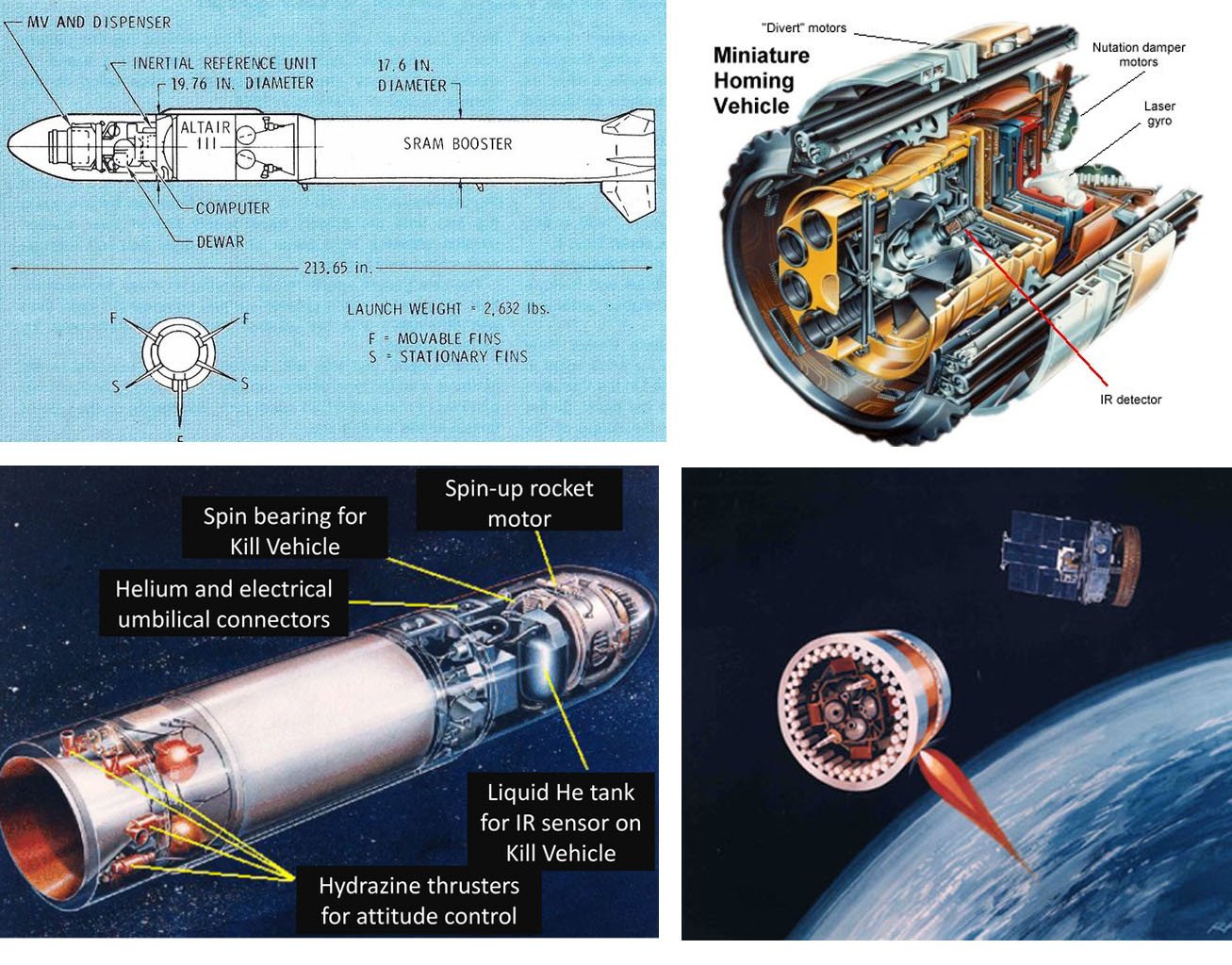
Disrupting such a system through direct interception would require repeated launches and significant resources while delivering only limited operational effects.
According to Defense Express, another major concern is the creation of orbital debris. Destroying satellites in low Earth orbit can generate thousands of fragments, increasing the risk of the Kessler syndrome—a chain reaction of collisions that could threaten other spacecraft and make parts of Earth’s orbit increasingly hazardous.
-7e70859e06a6ddb33554491dbcc7a42f.png)
Instead, the publication says more practical countermeasures include electronic warfare capable of disrupting satellite communications and strikes against the network’s ground infrastructure.
According to Defense Express, targeting those supporting assets is likely to have a greater operational impact than attempting to destroy large numbers of satellites in orbit.
Russia officially began deploying its Rassvet satellite constellation in March 2026, launching the first 16 satellites as the foundation of its planned broadband network. However, the program suffered an early setback after one of the initial satellites reentered Earth’s atmosphere just 75 days after launch following an apparent failure to perform orbital maneuvers.
Discuss this article:
-9a7b3a98ed5c506e0b77a6663f5727c5.png)


-c439b7bd9030ecf9d5a4287dc361ba31.jpg "Photo of Katherina Popilnichenko")