- Category
- Anti-Fake
Kremlin Slashes University Places in Social Sciences While Rewarding Families of Fallen Soldiers
 Prefer U24 Media on Google
- Authors


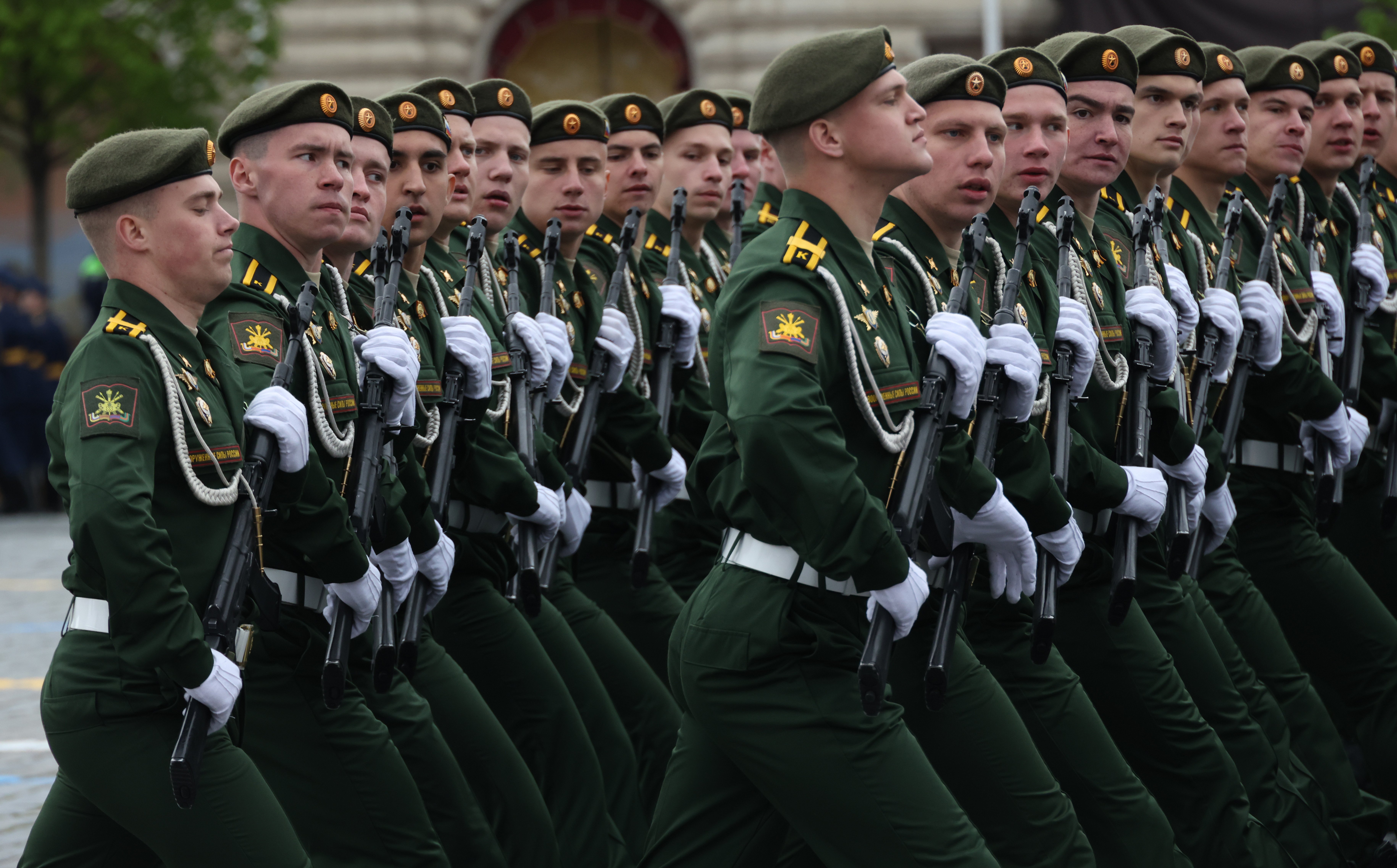
Russia is deliberately reducing access to higher education in the humanities and social sciences while expanding benefits for those connected to its war effort against Ukraine, according to Ukraine’s Center for Countering Disinformation (CCD) on June 2.
The CCD reported that Russian authorities have eliminated approximately 47,000 tuition-based university places in fields deemed “non-essential,” including law, economics, psychology, and management.
We bring you stories from the ground. Your support keeps our team in the field.
At the same time, tuition fees at Russian universities have increased by an average of 10–30%, further limiting access to higher education.
“The logic is simple: dying at the front is becoming more advantageous than studying,” the CCD said. “The Kremlin has effectively transformed higher education into a system that serves the war effort.
Meanwhile, Russian leader Vladimir Putin has signed legislation introducing special university admission quotas for widows and relatives of soldiers killed in combat. The measures allow eligible applicants to enroll in universities without entrance examinations and provide access to free preparatory courses.
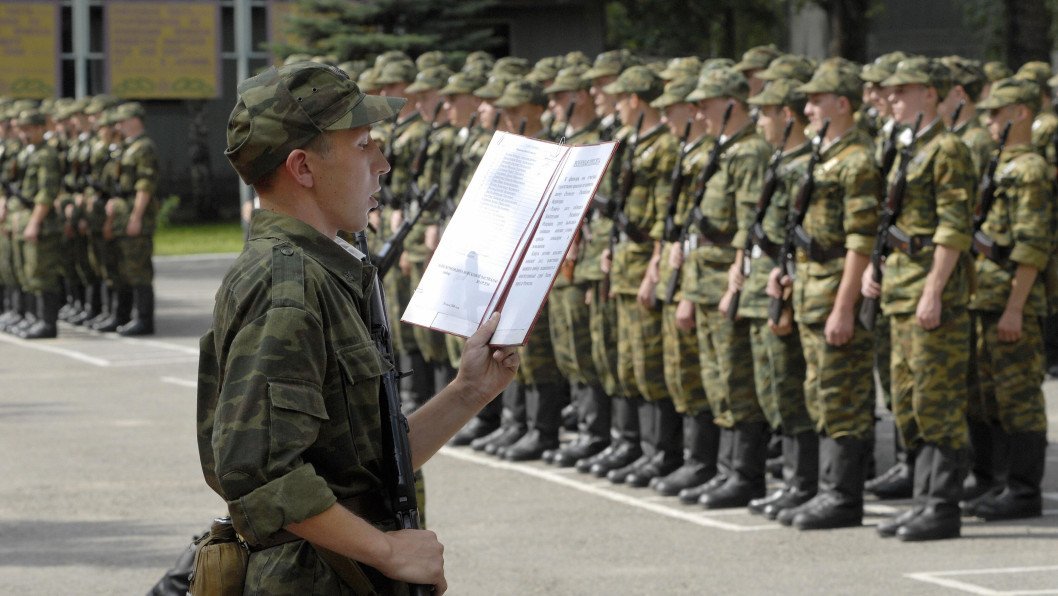
According to the CCD, these policies reflect a broader shift in Russia’s education system toward supporting the country’s military objectives.
“Russian youth are being deprived of future opportunities and artificially pushed into circumstances where signing a contract with the Russian Ministry of Defense becomes the only accessible path to social advancement. Students are increasingly viewed as expendable resources to replenish the losses of the occupation army,” the center added.
The reported shift in education policy is also reflected in developments at local colleges. Students at a polytechnic college in the Russian city of Anzhero-Sudzhensk, in the Kemerovo region, are being pressured to sign contracts with the Russian Ministry of Defense for “UAV training,” with warnings that refusal could result in being sent to the front line.

According to The Moscow Times, the allegations were reported by the social media channel “Incident Kuzbass,” which published an audio recording of a meeting between the college’s deputy director, Oksana Fedorova, and a student.
The recording, said to have been provided by a Russian serviceman deployed since 2022, appears to document coercive practices linked to recruitment efforts.
In the conversation, Fedorova is heard speaking with a student and possibly their parents, indicating that failure or refusal to comply would result in the student’s personal data being forwarded to the local military recruitment office, where conscription procedures would follow.
She is heard saying: “If you fail, your data will go directly to the military enlistment office, and you will immediately receive a summons.”

Similar practices have also been reported in Russia-occupied regions of Ukraine. Russian administrations have revoked conscription deferments for full-time students in temporarily occupied areas of the Donetsk and Luhansk regions, instead directing them to military training, according to the Center of National Resistance.
The agency said students are being summoned to military enlistment offices under the pretext of “updating personal data” or verifying records.
However, once they arrive, proof of enrolment in higher education institutions is reportedly ignored, and their draft deferments are cancelled.
Discuss this article:


-c439b7bd9030ecf9d5a4287dc361ba31.jpg "Photo of Katherina Popilnichenko")



-206008aed5f329e86c52788e3e423f23.jpg "Photo of Oleksandr Moiseienko")

-72b63a4e0c8c475ad81fe3eed3f63729.jpeg "Photo of Cyril Barabaltchouk")