- Category
- Investigations
Russian Mercenaries Disguised as “Security” Escort Shadow Fleet Oil Tankers, Investigation Reveals
 Prefer U24 Media on Google
- Authors


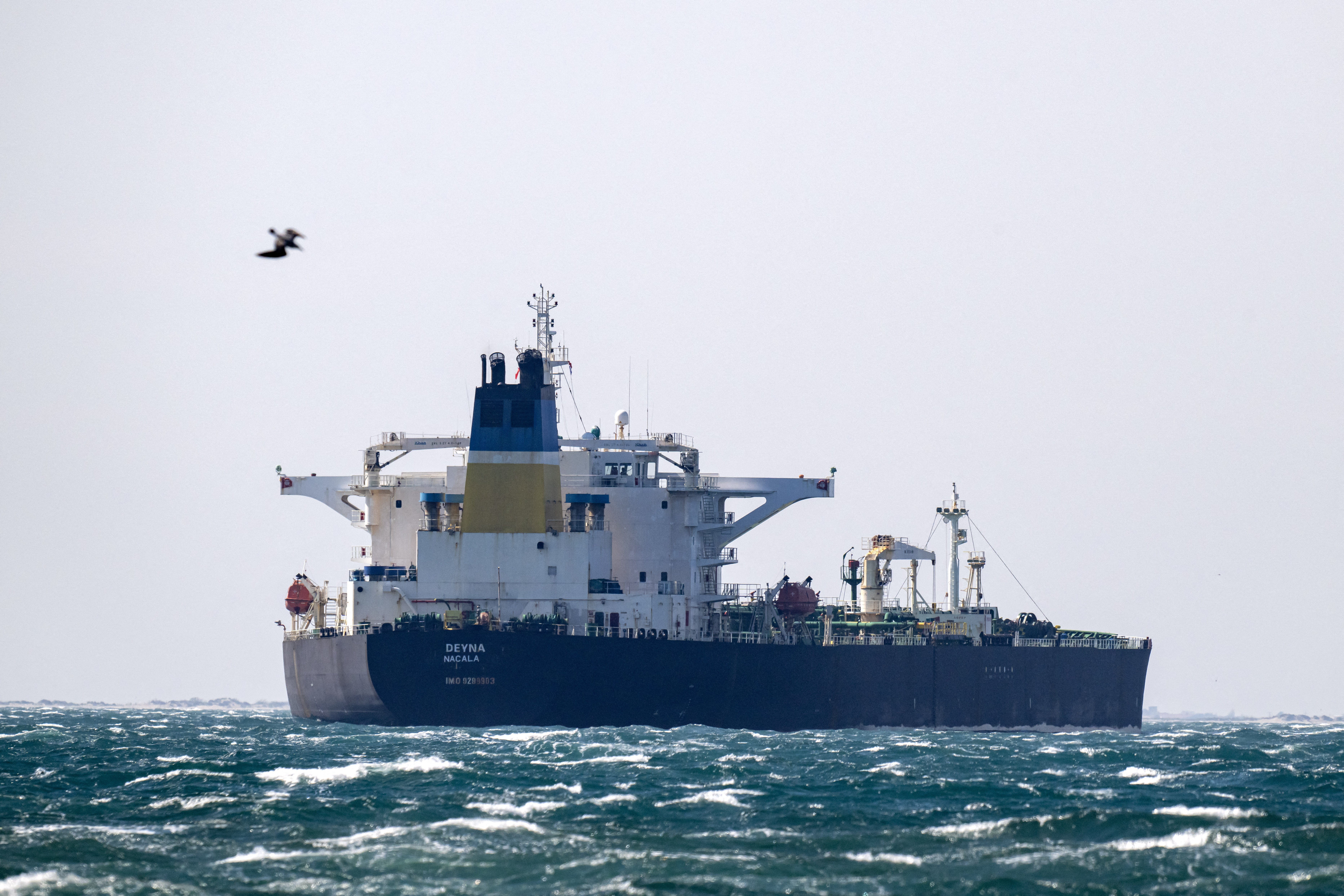
From spring 2025, Russian mercenaries have been deployed to escort tankers operating within Russia’s so-called shadow fleet, while being officially listed as “security personnel,” according to a cross-border investigation involving 13 media outlets, including the “Dossier” investigation centre, The Times and Süddeutsche Zeitung on June 8.
As part of its investigation into the shadow fleet, the “Dossier” centre obtained access to crew lists covering more than 2,000 vessels that have been sanctioned by the United States and the European Union, as well as ships included in the database of Ukraine’s Defense Intelligence Directorate.
We bring you stories from the ground. Your support keeps our team in the field.
The data spans the period from January 2023 to mid-April 2026 and includes information on nearly 16,000 voyages, amounting to around 325,000 records. The dataset contains extensive personal details, including full names, dates of birth, document numbers, positions on board, qualifications, citizenship, passport numbers, and places of birth.
Among thousands of sailors, captains, and engineers, investigators identified 83 individuals lacking standard maritime documentation, including seafarer passports, diploma numbers, or professional qualifications.
These individuals appear 306 times in crew lists across 65 tankers. In 32 cases, their positions are listed as “security guards,” with researchers concluding that they function in effect as mercenaries.
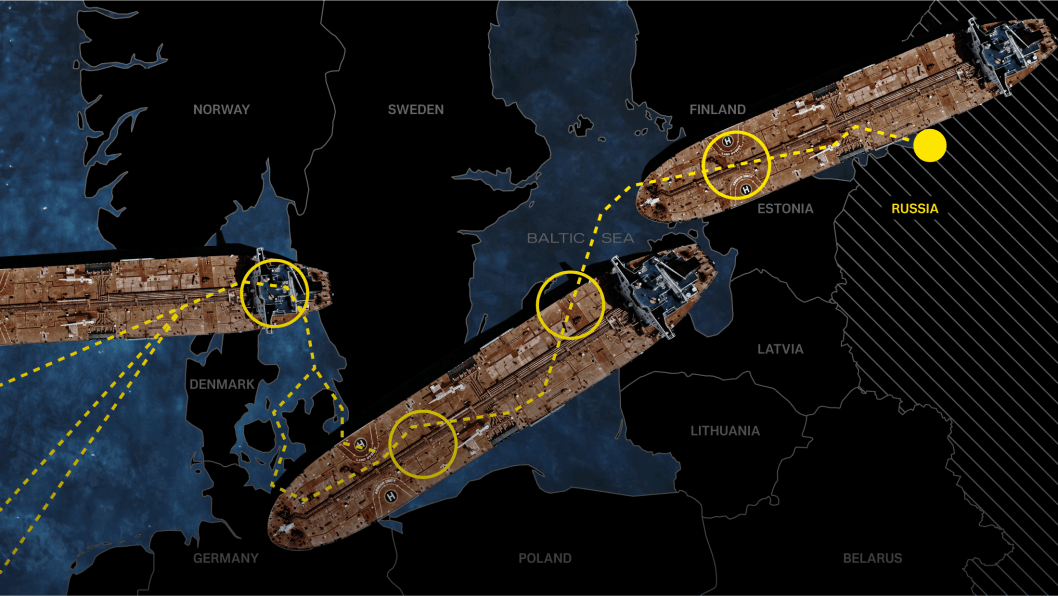
Their identities were verified using leaked personal data and internal documents linked to the Wagner Group obtained by journalists.
According to the investigation, at least 28 of these individuals served in various private military companies, primarily the Wagner Group (18 people), as well as RSB-Group, Moran Security Group, and Redut.
Researchers estimate that up to 48 of the 83 individuals likely have combat experience, based on evidence of prior deployments in Syria.
One of those identified is Dmitry Savytsky, who has reportedly fought alongside Russian-backed forces in eastern Ukraine since 2014.
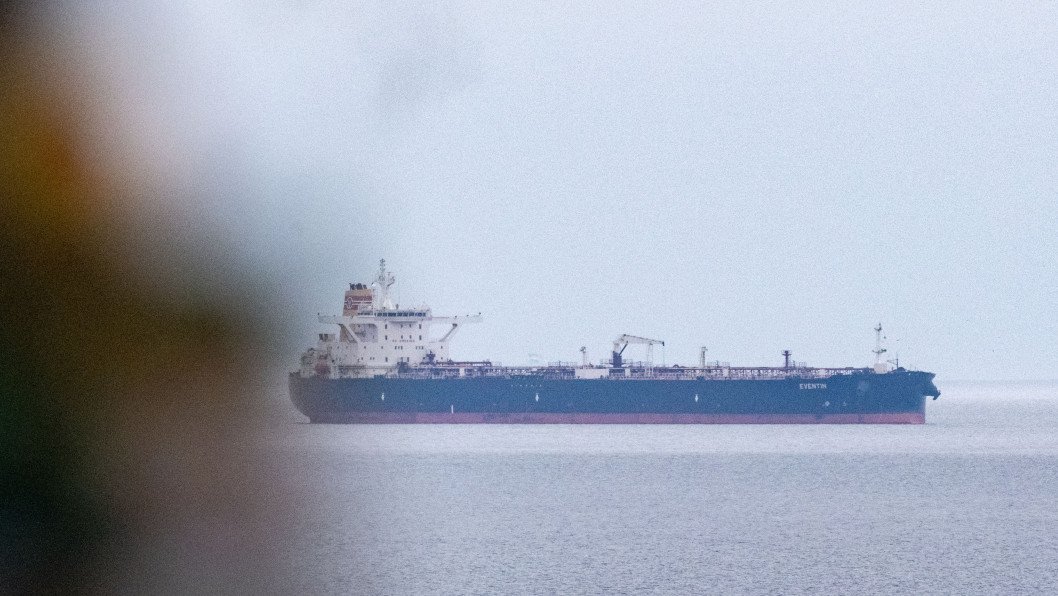
The report states that private military personnel effectively oversee ship crews, ensuring the delivery of oil cargoes even in situations where European states may attempt to interfere with tanker movements.
The findings come amid intensified European efforts to strengthen enforcement against vessels linked to Russia’s so-called shadow fleet. EU foreign policy chief Kaja Kallas said during an informal meeting of defense ministers on June 8 that EU naval forces have been authorized to board such vessels operating in the Mediterranean.
The decision is linked to the European Union’s naval mission in the Mediterranean, Operation IRINI. According to Kallas, the mission has revised its rules of engagement and has already begun conducting boardings of suspect ships.
“Then on the freedom of navigation or maritime security, as such, we will also discuss the Shadow Fleet. Our Operation IRINI has changed the rules of engagement and has now started to board the ships as well,” she said.
Launched in 2020, Operation IRINI was originally mandated to enforce the United Nations arms embargo on Libya. It has since expanded its focus as the EU steps up pressure on vessels believed to be transporting Russian oil in violation of sanctions and price-cap restrictions.
Kallas added that the objective is not only to respond to individual cases but also to develop common European practices for dealing with the shadow fleet, based on the experience of member states.
“So also, the idea is to change the best practices, what different countries are doing with those ships, because it is really posing a danger, and of course also the idea is to curb Russia from the funding of this war,” she said.
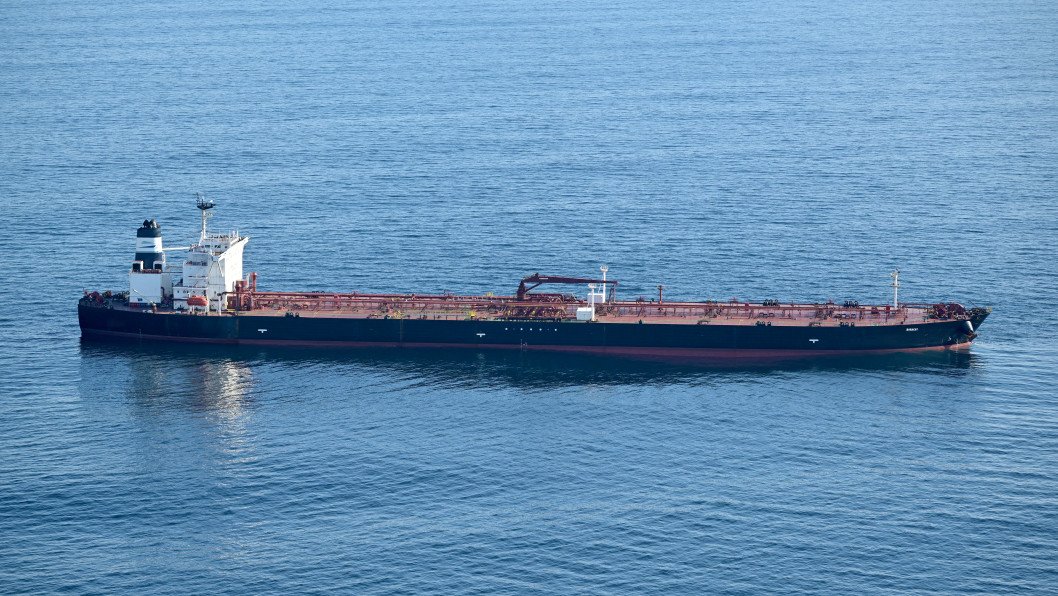
At the same time, the European Union is working on its 21st sanctions package, which is expected to target Russia’s so-called shadow fleet of oil tankers, as well as banks and companies linked to the military-industrial sector.
The measures, anticipated in late June or early July, are aimed at tightening pressure on the Kremlin’s main sources of revenue. They are expected to focus on Russian financial institutions, banks, defense-related companies, and firms involved in the sale of reportedly stolen Ukrainian grain.
Discuss this article:


-b7da0e3033ba5fc9d5f47439cb28c6ad.png "Illustration featuring the logos of AI chatbots Claude (left) and Mistral (right). (Illustration: UNITED24 Media)")
-111f0e5095e02c02446ffed57bfb0ab1.jpeg "Photo of Roman Kohanets")