- Category
- Defense Tech
“80 Over 100”: How the Flexible Dutch Approach Gets Ukraine the Weapons it Needs Now
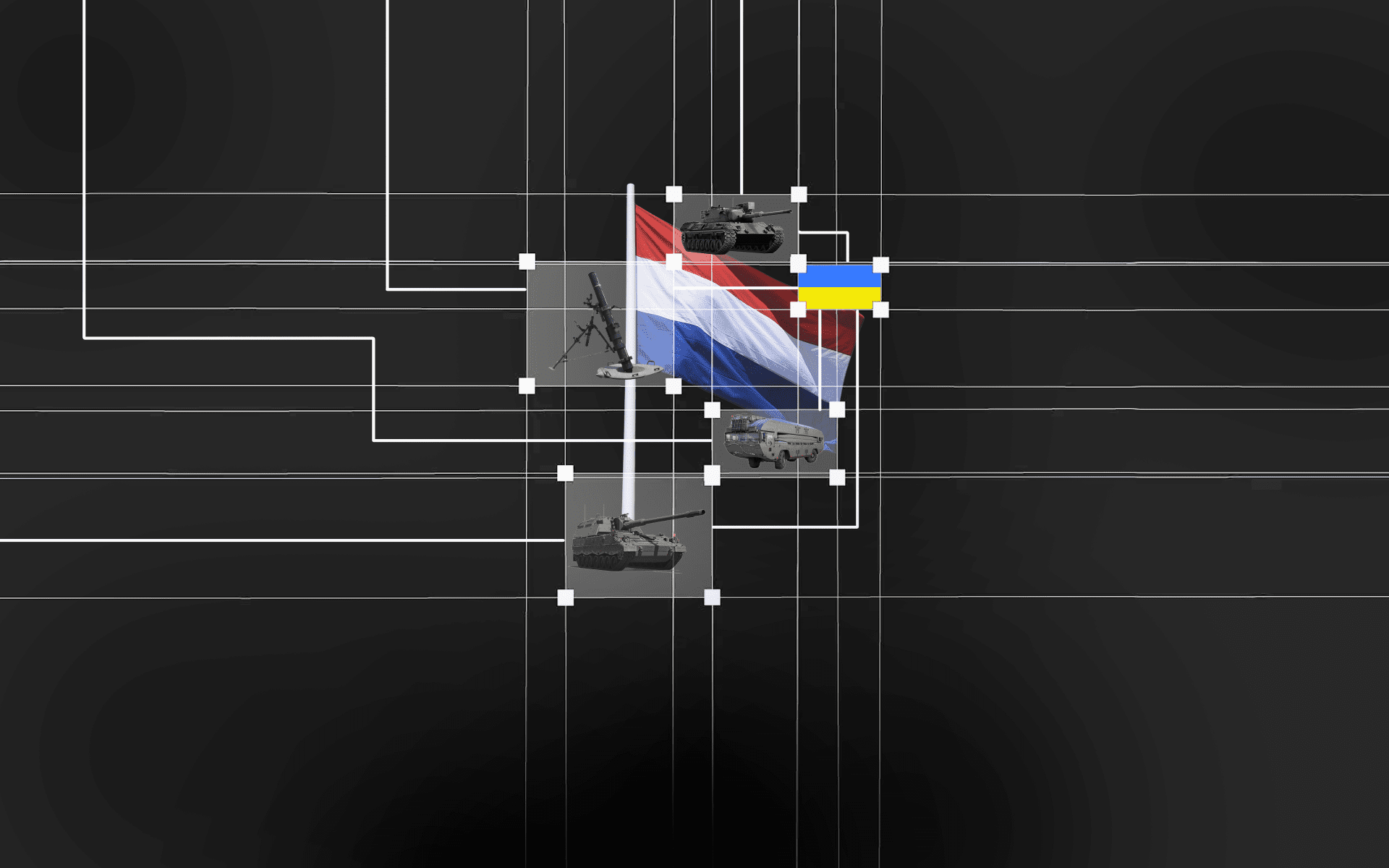
The Netherlands has adopted a pragmatic approach to supporting Ukraine—buying weapons wherever they are available, investing directly in Ukrainian manufacturers, and favoring an “80% solution today” over a “100% solution tomorrow.”
 Prefer U24 Media on Google
- Authors

-605be766de04ba3d21b67fb76a76786a.jpg "Joseph Place")
Europe has ramped up defense spending and increased military support for Ukraine. But many of the problems exposed by the war remain. “Europe’s defense innovation culture was shaped by three decades in which delay had no real cost,” a GLOBSEC report states. “Programs ran long, procurement moved slowly, and the gap between concept and fielded capability was measured in years—sometimes decades.”
Europe’s military procurement and production
There have often been shortfalls in the production or funding of military goods, such as ammunition or mid-range missiles, in Europe. Many bottlenecks in manufacturing and aid procurement processes, with many countries delaying orders for military aid until they can fill them themselves, or then rely on the USA, pushed for new solutions.
The European Union’s Defense Industry Transformation Roadmap aims to cut bureaucracy and increase coordination. As drone warfare has become the norm, “Ukraine has developed an innovation cycle that compresses what European procurement processes take years to achieve into weeks.” Ukraine’s advantage here is the new field, constant innovation, in part thanks to the funding of partners, as well as Ukraine’s experience. The Dutch have taken advantage of this.
What is “the Dutch Model”?
The Netherlands has been a consistent partner of Ukraine, having pledged €3 billion ($3.4 billion) per year as of 2026. Over the course of Russia’s full-scale invasion of Ukraine, the Netherlands has provided billions to aid Ukraine, via humanitarian and military assistance, and is a member of the PURL initiative—one of Europe’s adaptations to the decline in the USA’s support for Ukraine. Other military aid has included jets, Patriot missiles, and vehicles. However, it is the procurement approach that sets it apart.
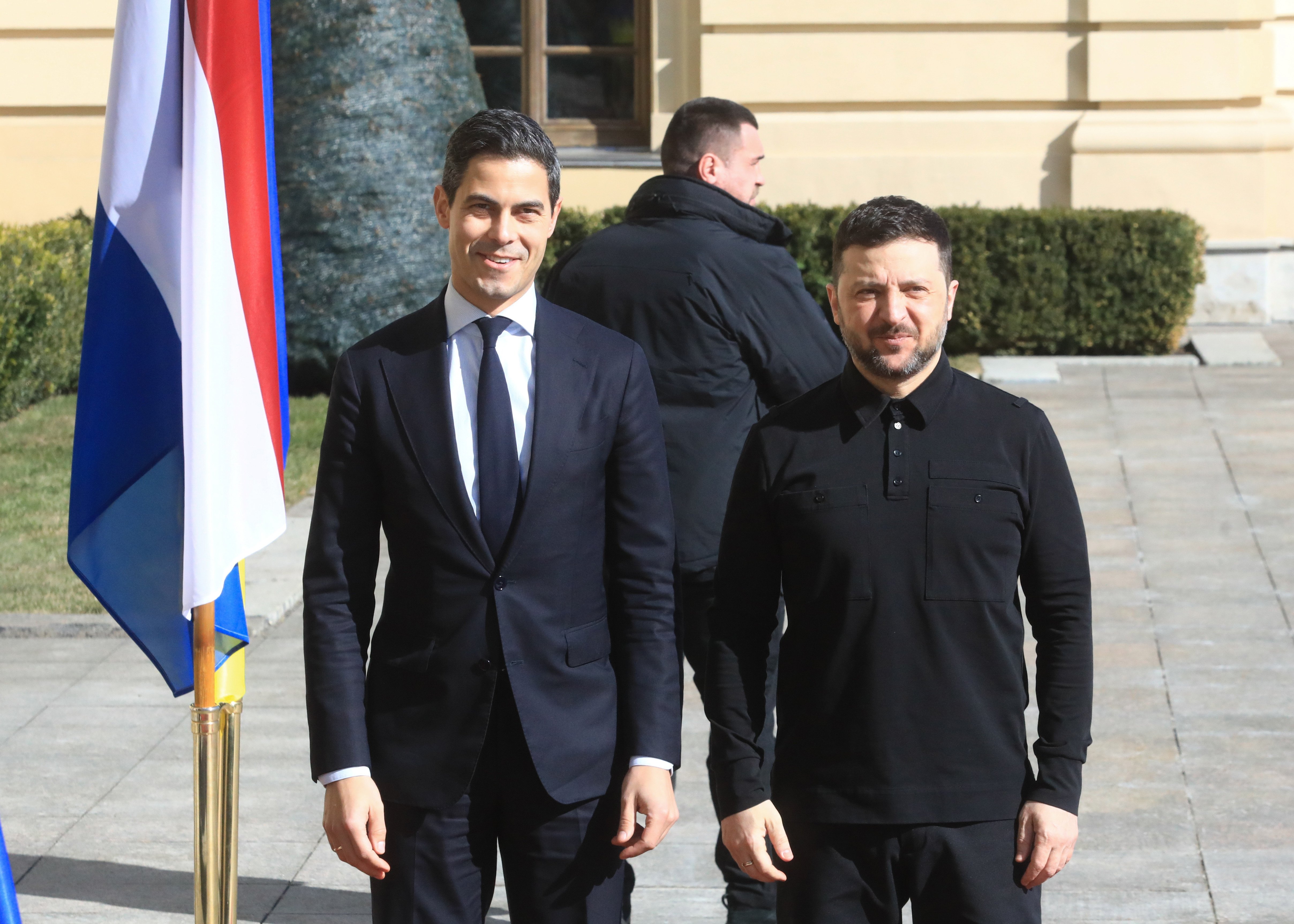
The Dutch model rests on four key principles:
Working directly with Ukrainian defense manufacturers
Sourcing equipment globally when domestic supplies are unavailable
Prioritizing an “80% solution” over a “100% solution” to focus on speed over perfection
Investing in domestic defense production while learning from Ukraine’s wartime experience
The Dutch approach has multiple advantages, shared by a few countries but not all. It relies on deeper cooperation with Ukraine and going beyond traditional military procurement methods.
How the Dutch procurement philosophy helps Ukraine
The Netherlands is investing in Ukrainian drone manufacturing, along with certain other European countries, such as Germany. For example, it is investing €238 million ($274 million) in drones for Ukraine and manufacturing them both in Ukraine and the Netherlands. This scales up both countries’ defensive industries and shows how cooperation is mutually beneficial. When the Netherlands cannot provide its own equipment to Ukraine due to its limited industrial capacity, it looks elsewhere. For example, they purchased Leopard tanks from a third-party and Czech ammunition for Ukraine. At the same time, Dutch officials work directly with Ukrainian manufacturers, investing funds in Ukrainian production when domestic deliveries are not possible. The priority is delivery speed, not the equipment's origin.
The Dutch also have an approach that Tomáš Nagy, Senior Research Fellow for Nuclear, Space, and Missile Defence, Future of Security Programme at GLOBSEC, called an 80% over 100%. “The Dutch always wanted the best available piece of technology, with price and other considerations coming second,” he told us.
This approach can lead to delays in providing aid as it takes longer to fulfil orders with such a high standard, but “Today, the Dutch are increasingly looking to acquire capabilities that are good enough for the role rather than necessarily the very best, because insisting on the best often means extra waiting time and harder source-allocation dilemmas, at a moment when battlefield experience is showing the value of affordable mass.” The result is faster delivery of capabilities that can make an immediate difference on the battlefield rather than waiting years for an ideal solution.
Strengthening Dutch defense
The Dutch are also investing in their own military industries. In 2025, the government pledged €22 billion ($25 billion) to defense industries, for example. This helps them rapidly scale up defense capabilities that can respond to the modern threats of mass, multi-layered warfare, especially those posed by drones and missiles.
What “the Dutch model” does is overcome bottlenecks and delays by securing whatever aid it can for Ukraine, funding and cooperating with Ukrainian producers. The Dutch are also exchanging knowledge and learning from Ukraine, through joint ventures that can bolster their own security.
The Netherlands is not alone. Denmark has also demonstrated the value of investing directly in Ukraine’s defense industry through the Danish model. As Europe seeks to expand its defense capabilities, adopting similar approaches could help deliver support faster while strengthening the continent’s long-term security.
Discuss this article:


-111f0e5095e02c02446ffed57bfb0ab1.jpeg "Photo of Roman Kohanets")