- Category
- Defense Tech
Inside The Domestic Radar Giving Ukraine Up to 250 Miles of Warning Against Russian Air Attacks
 Prefer U24 Media on Google
- Authors


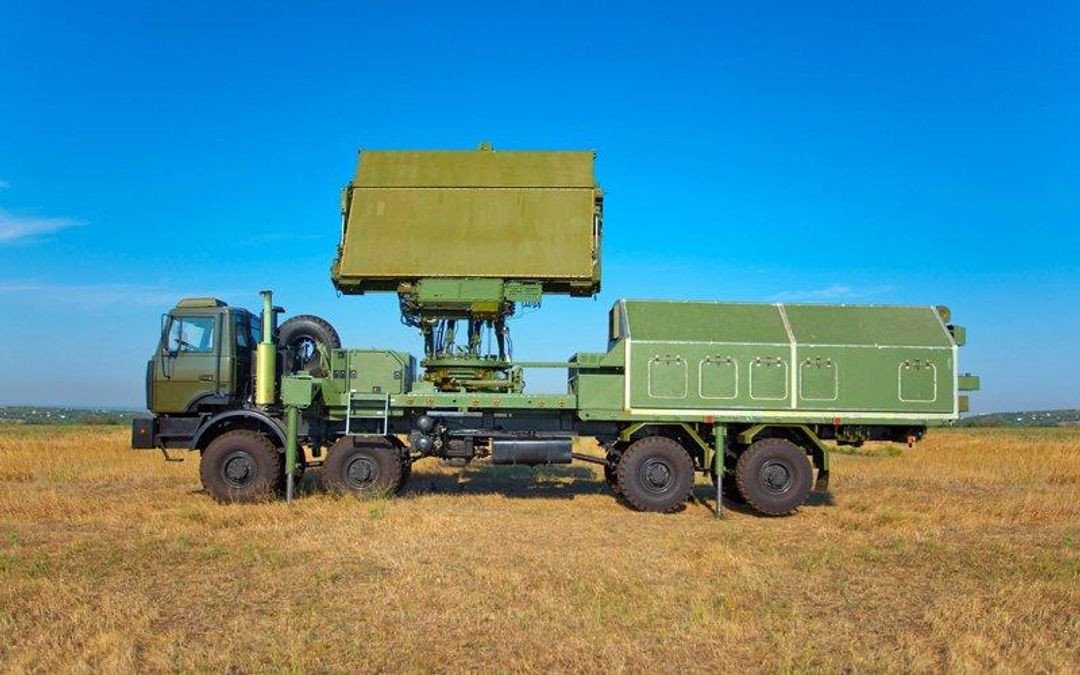
Ukraine’s domestically developed Pelikan radar can detect and track aerial threats at ranges of up to 400 kilometers, or roughly 250 miles, covering targets ranging from Shahed strike drones to cruise and ballistic missiles, according to an operator featured by Ukraine’s Air Command West on August 20.
Once a warning is received from a command post, the radar crew’s task is to detect the incoming target in its assigned sector as quickly as possible and relay the information across Ukraine’s air defense network.
We bring you stories from the ground. Your support keeps our team in the field.
The earlier a threat is detected, the more time Ukrainian air defense units and combat aircraft have to track and intercept it.
According to the operator, Pelikan is designed to work against significantly different types of targets, including relatively slow-moving Shahed drones, low-flying cruise missiles, and much faster ballistic threats.
“Pelikan is one of the most modern means of radar detection and surveillance. The radar operates at a range of 400 kilometers. Our main task is to detect an aerial target as quickly as possible: whether it is a Shahed, a cruise missile, or a ballistic missile. The earlier we detect it, the faster and more effectively our air defense and aviation can respond. Another equally important task is monitoring our aviation,” the radar operator said.
Beyond detecting incoming Russian weapons, the radar is also used to track Ukrainian military aircraft and help maintain a broader picture of activity in the airspace.
-d829acae3937b73239e955ab1a964123.jpg)
The 79K6 Pelikan was developed and produced by Ukraine’s Iskra Research and Production Complex, part of the country’s state defense industry.
Despite its long detection range, Pelikan is a mobile system. The radar weighs roughly 17 tons and can be deployed or packed up in as little as 30 minutes, allowing crews to relocate rather than operate permanently from a fixed position.
That mobility is particularly important in a battlefield environment where radar systems themselves can become high-value targets once their location is identified.
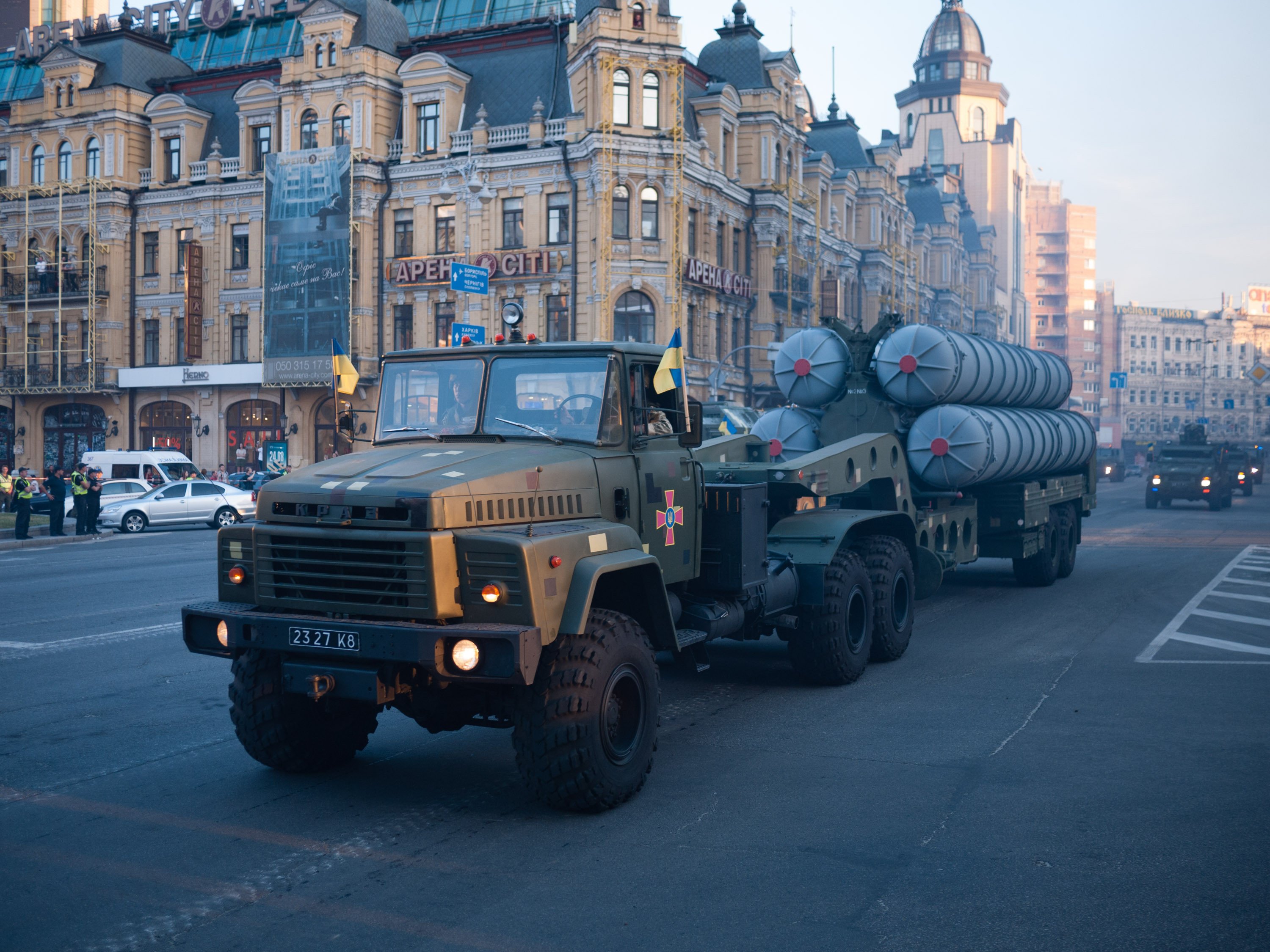
The arrival of the 79K6 in Ukrainian service back in 2016 also allowed S-300PT air defense units to operate more autonomously, giving them access to radar detection and tracking without relying entirely on other elements of the wider network.
Recently, Ukraine reportedly deployed the Swedish Saab 340 AEW&C, also known as the ASC 890, in operational conditions for the first time as it strengthens defenses against Russian missile and drone attacks.
Discuss this article:
-9a7b3a98ed5c506e0b77a6663f5727c5.png)

-111f0e5095e02c02446ffed57bfb0ab1.jpeg "Photo of Roman Kohanets")