- Category
- War in Ukraine
How Spain’s Most Advanced Radar Will Reshape Ukraine's Air Defense
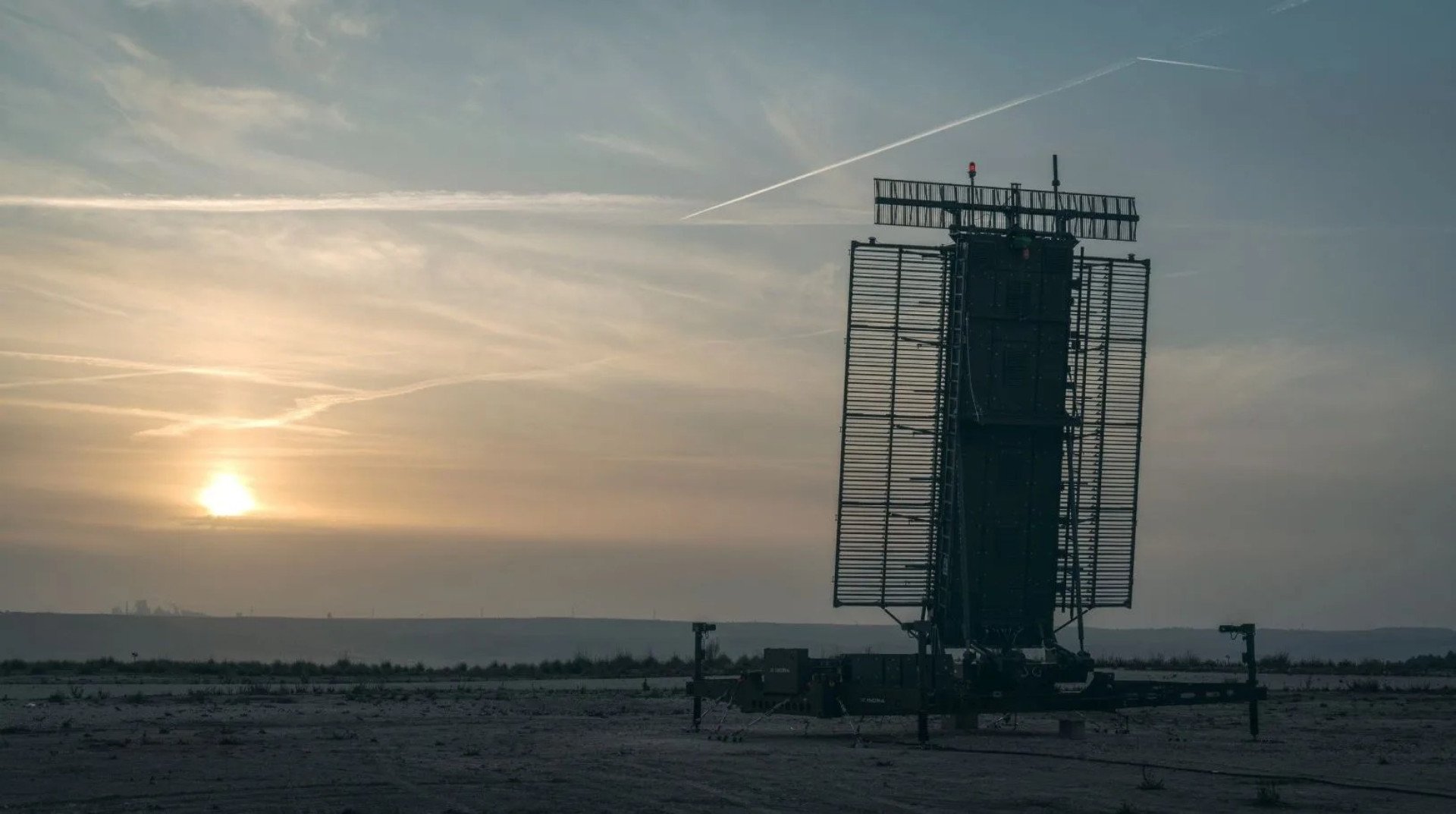
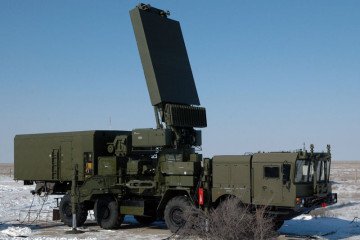
The €37 million ($44.26 million) Indra LTR-25 represents more than military aid to Ukraine—it's a statement of Spanish technological sovereignty and a glimpse into Europe's defense future.
 Prefer U24 Media on Google
- Authors

-56360f669cb982418f455a4b71d34e4e.jpeg "Photo of Manuel Rodriguez")
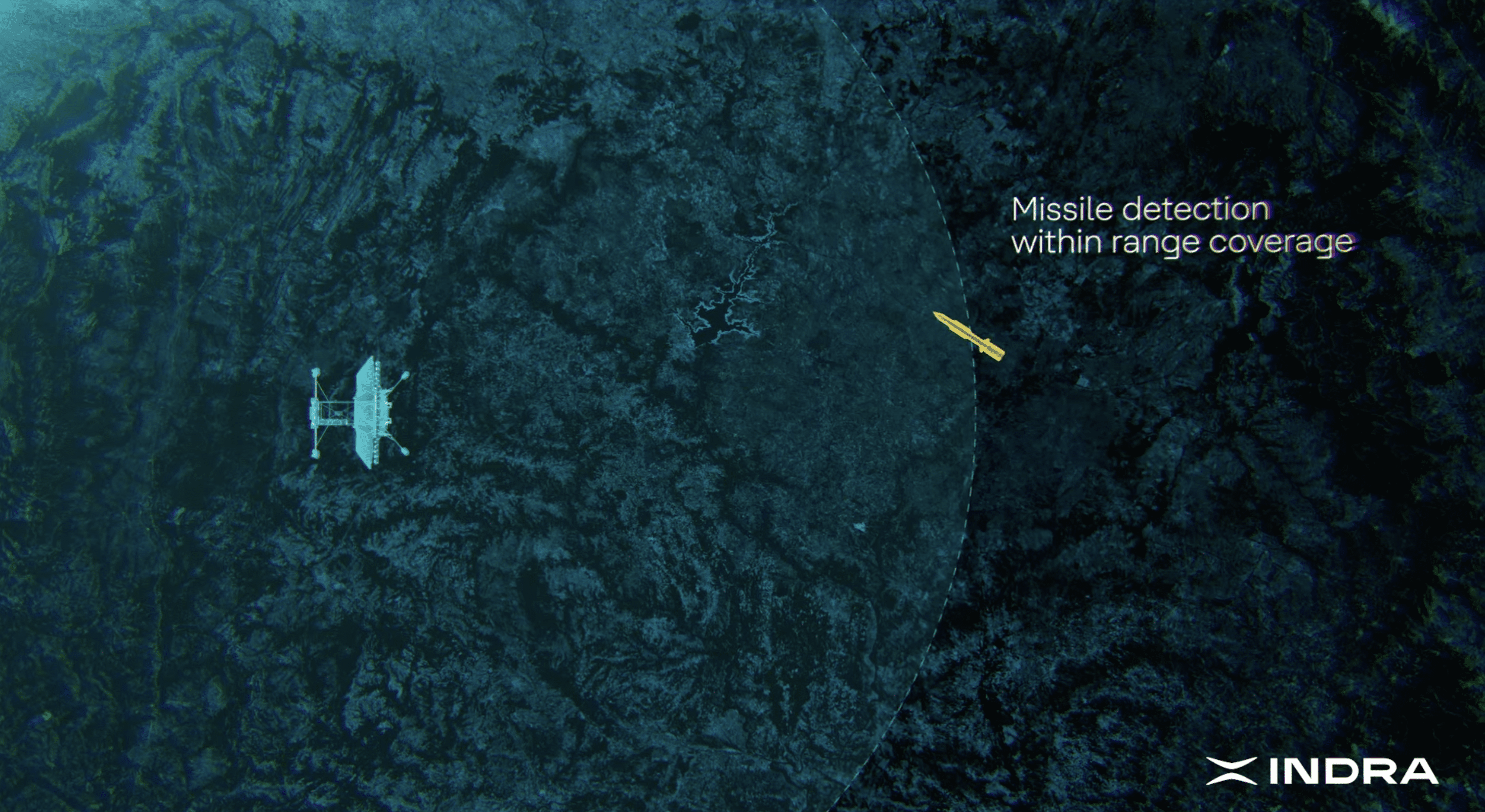
On November 18, 2025, Ukrainian President Volodymyr Zelenskyy stood before a piece of technology that could change the calculus of Ukraine's air defense: the Indra Lanza LTR-25, a state-of-the-art radar system capable of detecting threats from stealth fighters to tactical ballistic missiles at ranges exceeding 450 kilometers. Accompanied by Indra’s CEO José Vicente de los Mozos and Defense Minister Margarita Robles, Zelenskyy met the leaders of Spain’s top defense firms, including GMV, Sener, and Urovesa, signaling an “Iberico-stamped” future for air defense.
Two months later, on January 13, 2026, Spain's Council of Ministers made it official: a €37 million ($44.26 million) contract with Indra for the manufacture and supply of one Lanza LTR-25 Long-Range Tactical Radar system to Ukraine, including logistical support, with the contract running until December 31, 2026.

What is Lanza LTR-25 radar?
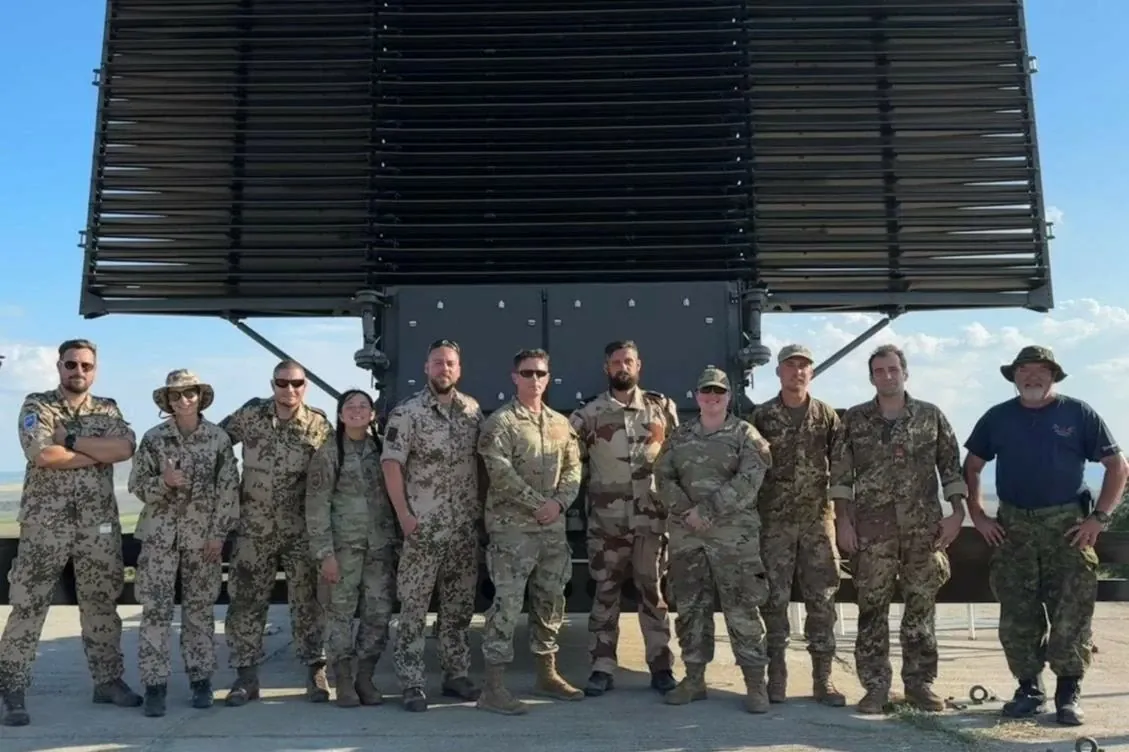
The Lanza LTR-25 isn't experimental hardware; it's the radar system NATO chose over offerings from global defense giants. NATO's Deployable Command and Control Centre (DACCC) completed the move of its Deployable Air Defense Radar (DADR) LANZA LTR-25 to Cataloi, Romania, where it has been supporting the Alliance's enhanced Vigilance activities on the southeastern flank, with the mobile radar declared Initial Operational Capability in August 2024 to enhance surveillance coverage on the border of Romania, especially to detect reduced Radar Cross Section assets approaching NATO airspace.
"This deployment has to be seen as defensive and necessary in order to further increase protection of our host nation and ally Romania," said Major General Denny Traas, DACCC Commander.
A system now headed to Ukraine, where the threats are not theoretical but arriving daily in the form of Russian cruise missiles and Shahed drones. The brutal reality of the war has transformed Ukraine into the world’s most demanding testing site for defense technology.
Spain’s quiet technological revolution
For decades, Spain maintained a relatively low defense profile, spending just 1.32% of GDP on its military (among the lowest in NATO). Yet beneath this modest surface, Spanish companies like Indra were building world-class capabilities.
"The Ministry of Defense and the Armed Forces made a decision decades ago to foster the development of this technology within Spanish industry,” said Francisco Jiménez, Defense Systems Business Development director at Indra. “Today, we can say that we are one of the most advanced countries in the world in this field.”
Indra has one of the largest radar factories in Europe, with more than 7,000 square meters and more than 200 specialized professionals, who develop radars used by European countries such as France, Germany, the United Kingdom, Lithuania, and Poland.
During talks between Ukraine's then Defense Minister Rustem Umerov and Spanish counterpart Margarita Robles in December 2024, they discussed key aspects of military aid to Ukraine for 2025, including a detailed review of the delivery schedule for weapons and equipment over the next two months, with Umerov expressing gratitude to Robles for providing HAWK systems , significantly strengthening Ukraine's air defense, while exploring possibilities for additional support to protect Ukrainian airspace.
“I highlighted Spain's contribution to training Ukrainian forces, which is a crucial element of our cooperation,” Umerov said. “Another important topic we addressed was the potential involvement of Spanish defense companies in joint projects in Ukraine.” Spain has previously provided €600 million ($717.78 million) in military aid to Ukraine, including weapons, ammunition, communication, and intelligence equipment.
Why this radar matters for Ukraine
Ukraine's air defense challenge is unlike any faced by modern militaries. Russian forces launch coordinated attacks combining ballistic missiles, cruise missiles, hypersonic weapons, Iranian Shahed-136 drones, sometimes hundreds of these in a single night. However, the LTR-25 could provide the shield Ukraine needs.
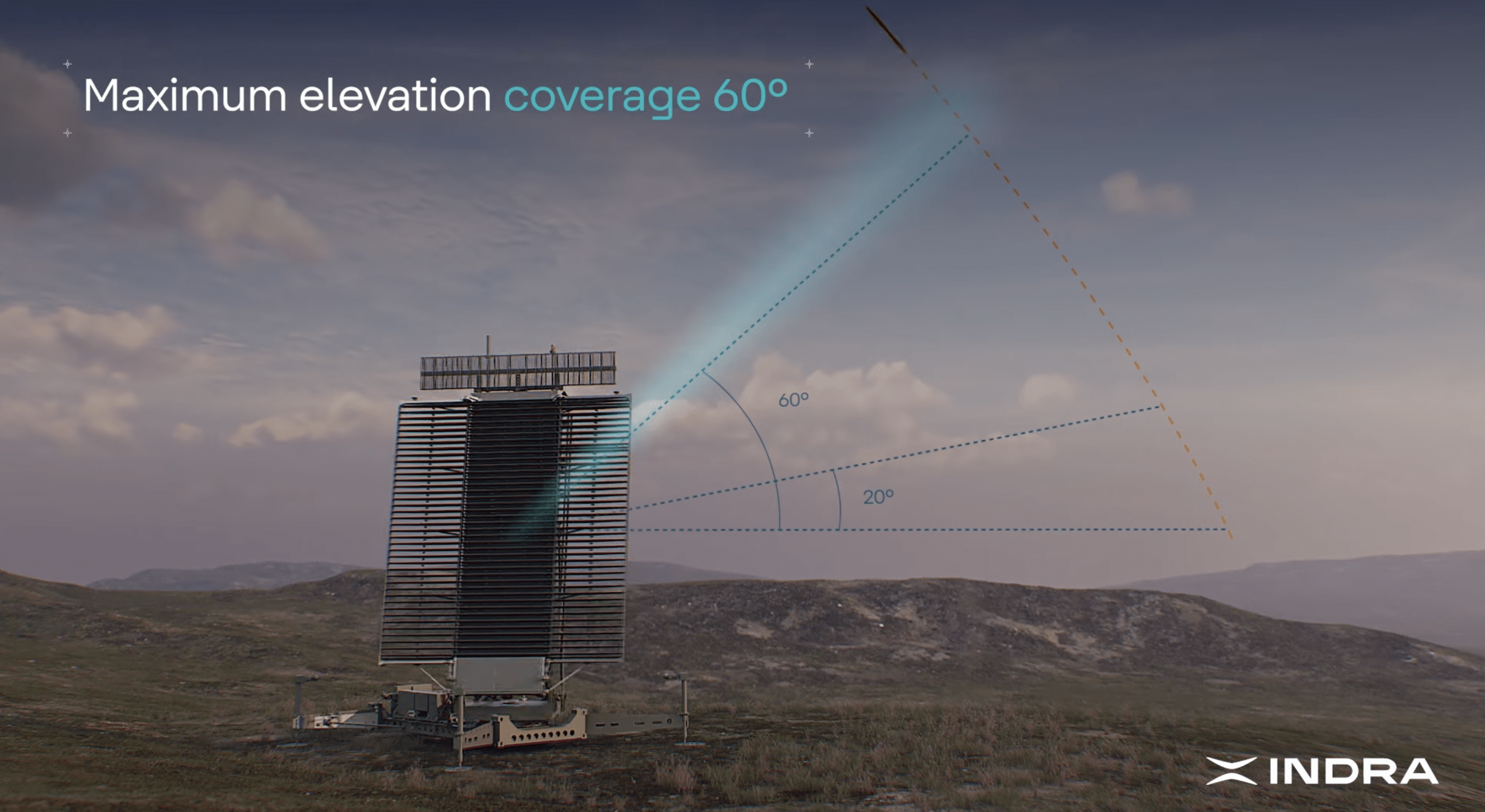
The technical specifications read like a wish list for any air-defense commander facing a modern combined-arms aerial assault. Operating in the L-band with a phased-array, pencil-beam architecture, the radar provides continuous, long-range three-dimensional surveillance with exceptional resolution and accuracy, even at maximum range and in environments saturated with interference or electronic attack.
Unlike older mechanically scanned systems, it relies on fully digital beam forming, allowing it to track hundreds of targets simultaneously while dynamically adapting in real time to electronic warfare threats through advanced electronic counter-countermeasures (ECCM).
This digital beam shaping makes it especially effective at detecting targets with very low radar cross-sections, such as drones, cruise missiles, ballistic missiles, and stealth aircraft, while integrated IFF/SSR ensures reliable identification in complex and crowded airspaces. The use of monopulse techniques in both elevation and azimuth further enhances the accuracy of target-coordinate determination, a critical factor when cueing interceptors against fast, time-sensitive threats such as ballistic missiles.
Designed for high tactical mobility, the system supports shoot-and-scoot operations, enabling crews to switch on, detect and track threats, pass targeting data to air-defense batteries, and relocate quickly before enemy forces can target the radar itself. At the same time, it fits naturally into a “plug-and-play” NATO environment, easily integrating with NATO-style command centers and instantly sharing real-time targeting information with air-defense systems such as Patriot, SAMP/T, IRIS-T, and NASAMS.
The political context: Spain's evolving commitment
Spain's journey from reluctant contributor to active defense partner represents one of the war's less appreciated transformations. During Zelenskyy's November 2025 visit, Prime Minister of Spain Pedro Sánchez announced the mobilization of €817 million ($977.38 million) to strengthen Ukraine's defense and accelerate its reconstruction, including €615 million ($735.72 million) in military support with approximately €300 million ($358.89 million) in new defense equipment, €100 million ($119.63 million) transferred to NATO's PURL programme to finance the accelerated acquisition of air defense systems, and €215 million ($257.20 million) through the European Union's SAFE Instrument to finance the production of anti-drone systems, search and air surveillance radars, many of them developed by Spanish companies.
After meeting the Ukrainian president, Sánchez expressed Spain's “full and unwavering” support, stating: “We do this out of solidarity, coherence, and responsibility. The war Ukraine is fighting against Putin's neo-imperialism tests the European project and all it stands for.”
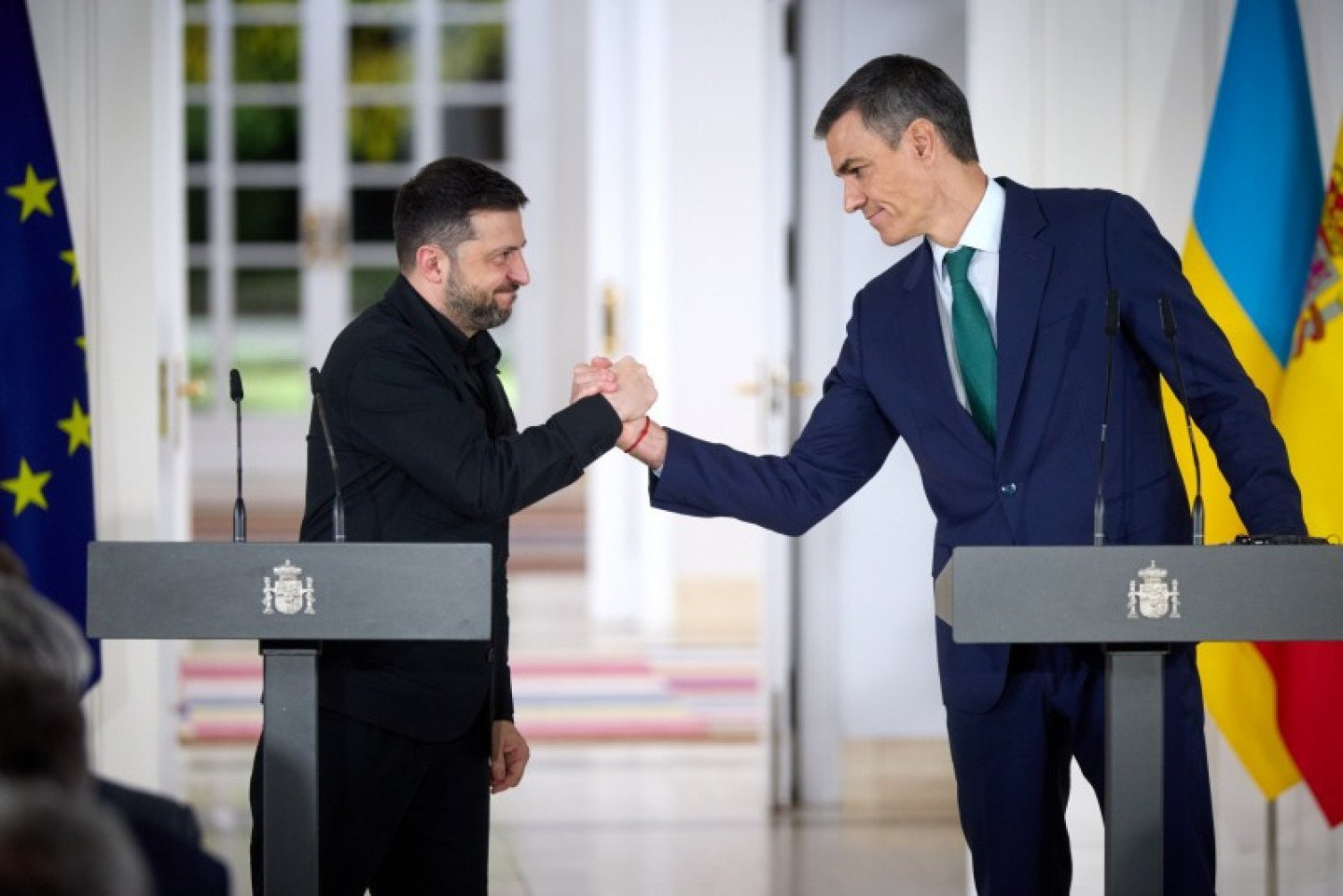
The symbolic weight of that visit was profound. Before the meeting, Sanchez and Zelenskyy to the Reina Sofía Museum, where he showed him Picasso's Guernica, recalling that it was Picasso's wish that Guernica should only be exhibited in Spain when the country regained freedom and democracy, with Sánchez noting that after half a century of dictatorship, Spain was able to become a prosperous and open democracy, finding its place in Europe and the world.
Indra's relationship with Ukraine predates the full-scale invasion. While Indra has previously worked with Ukraine on systems related to civil aviation, this marks a shift toward the delivery of dedicated military hardware.
This progression from civilian to military cooperation reflects a broader European pattern: relationships built on commercial and technical foundations evolving into defense-industrial partnerships as the strategic stakes became clear.
What comes next?
The LTR-25 is part of Spain’s previously announced November 2025 commitment, with new defense aid—including 40 missiles for IRIS-T air defense systems—set to reach Kyiv within the next month.
"I am grateful for the new defense assistance package, which includes air defense missiles. This is a major shortage for us during the winter," Zelenskyy claimed.
During the meeting with Spanish Prime Minister Pedro Sánchez, five bilateral documents were signed between Spain and Kyiv, including a Memorandum of Understanding on countering Russian disinformation, cooperation in the tourism sector, technical and financial cooperation, mechanisms of bilateral economic and financial cooperation, and industrial cooperation.
The contract includes logistical support and will run until 31 December 2026, although the council did not provide a delivery timeline, which likely reflects production realities and complexities (the system must be manufactured, tested, and personnel trained). But the December 2026 contract end date suggests delivery could come as early as late 2026.
More significantly, the contract establishes a framework for potential follow-on orders. If the first LTR-25 performs well in Ukrainian service, Ukraine will want more, and Spain has demonstrated willingness to supply them.
Discuss this article:
-6c7b568bf1f65853b7afd9dc1c3ca1fe.jpeg)