- Category
- Defense Tech
Only One Drone Passed Japan’s Interceptor Trials—It Was Built on Lessons From Ukraine
 Prefer U24 Media on Google
- Authors


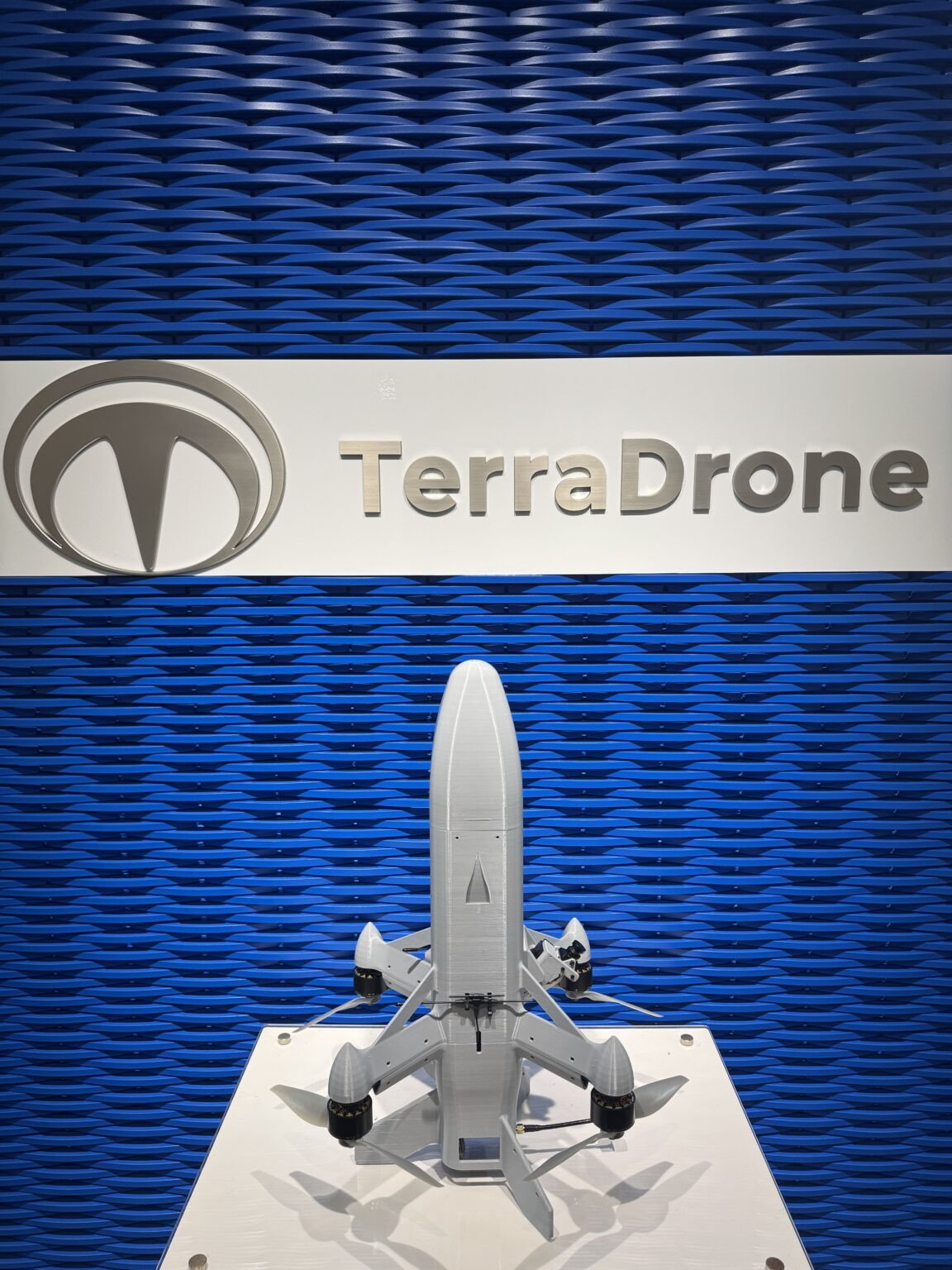
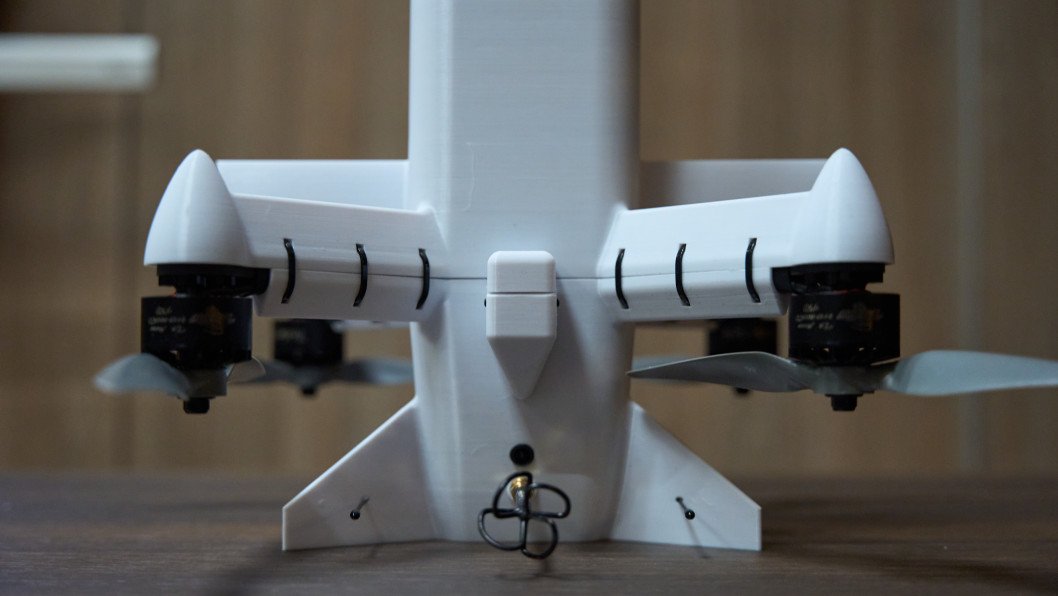
Japan is moving to mass-produce the Terra B1 interceptor drone after the Japanese-made system became the only candidate to successfully complete a fast-track military demonstration aimed at finding a low-cost defense against mass drone attacks.
Terra Drone announced on August 25 that Japan’s Acquisition, Technology & Logistics Agency had selected the Terra B1 for procurement following a competition that attracted proposals from 38 companies.
We bring you stories from the ground. Your support keeps our team in the field.
Four drone models ultimately took part in demonstration trials conducted for the Japan Maritime Self-Defense Force between July 15 and August 6. Terra Drone said the B1 was the only system to pass.
The result moves the interceptor from testing toward mass procurement and production at unusually high speed. Japan launched the program only in June, with the first Terra B1 deliveries expected to begin as early as September.
Neither the number of drones being purchased nor the value of the contract has been disclosed.
The Terra B1 is designed specifically to counter long-range, relatively inexpensive attack drones such as the Iranian-designed Shahed family, a threat that has transformed air defense calculations during Russia’s war of aggression against Ukraine.
According to Defense Express, Japan’s interest in the technology is closely connected to lessons emerging from the Ukrainian battlefield, where interceptor drones have increasingly offered a cheaper alternative to firing expensive surface-to-air missiles at large waves of low-cost Russian UAVs.
Terra Drone has already built deep ties with Ukraine’s interceptor-drone industry.
Earlier this year, the Japanese company partnered with Ukrainian defense firm Amazing Drones on the Terra A1 interceptor. The system subsequently entered operational deployment in Ukraine and successfully intercepted a Shahed-type long-range drone under real combat conditions.
The exact performance specifications of the newer Terra B1 have not been publicly disclosed.
Its closely related Terra A1 provides an indication of the capabilities Terra Drone has been developing. The A1 has a maximum speed of about 300 kilometers per hour, an operational range of up to 32 kilometers and an endurance of approximately 15 minutes.
The electrically powered interceptor was designed around rapid launches and relatively inexpensive mass deployment, allowing defenders to engage incoming drones without consuming far more costly conventional air defense missiles.
The Terra A1 was jointly introduced by Terra Drone and Amazing Drones, while another Ukrainian company, WinnyLab, has worked with Terra Drone on the longer-range fixed-wing Terra A2 interceptor.
For Japan, building a large inventory of inexpensive drone interceptors could become increasingly important as military planners prepare for the possibility of mass unmanned attacks during a future crisis in the Indo-Pacific.
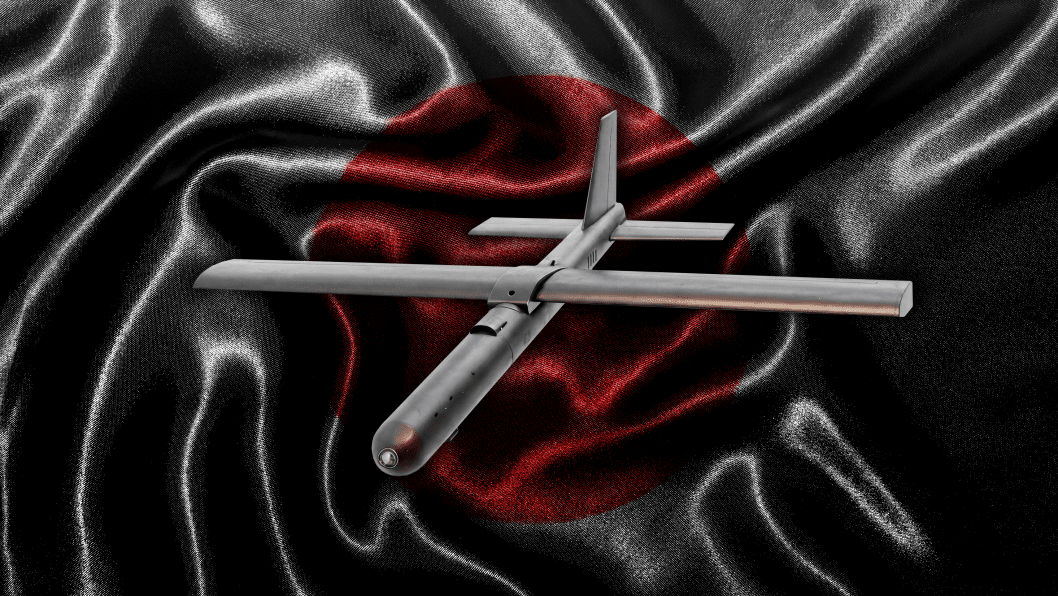
Japanese radar installations, airfields, naval vessels and other critical military facilities could face large numbers of comparatively inexpensive UAVs, creating exactly the type of cost problem already visible in Ukraine: using sophisticated missiles worth far more than the drones they are destroying is difficult to sustain during prolonged attacks.
Defense Express notes that China’s enormous industrial base and expanding unmanned arsenal make that challenge particularly relevant for Japanese defense planning. In a major regional confrontation, large numbers of low-cost drones could be used to overwhelm or exhaust conventional air defenses around strategically important facilities.
Interceptor drones offer another layer of protection, allowing expensive missile systems to be preserved for faster or more dangerous threats.
The first Terra B1 systems are expected to go to Japan’s Maritime Self-Defense Force. Terra Drone has also said the technology could later be adapted for use by Japan’s Air and Ground Self-Defense Forces.
That could eventually see interceptor drones deployed around ships, radar sites, bases and other critical infrastructure as part of a broader layered air defense network.
Previously, reports emerged that Japan was accelerating plans to acquire and develop military unmanned aerial vehicles. The country is increasing cooperation with Kyiv and studying its battlefield experience following Russia’s full-scale invasion of Ukraine.
Faced with severe military personnel shortages, Tokyo currently produces approximately 1,000 military-grade drones annually but intends to significantly scale up these figures. To boost its maritime defenses, the Japanese government has also allocated $618 million for the 2026 fiscal year to build an unmanned ocean vessel fleet designed to protect remote islands.
Discuss this article:
In a Nutshell


-c439b7bd9030ecf9d5a4287dc361ba31.jpg "Photo of Katherina Popilnichenko")