- Category
- World
Japan Turns to Ukraine’s Battlefield Expertise With New Joint Drone Cluster
 Prefer U24 Media on Google
- Authors

-c439b7bd9030ecf9d5a4287dc361ba31.jpg "Photo of Katherina Popilnichenko")
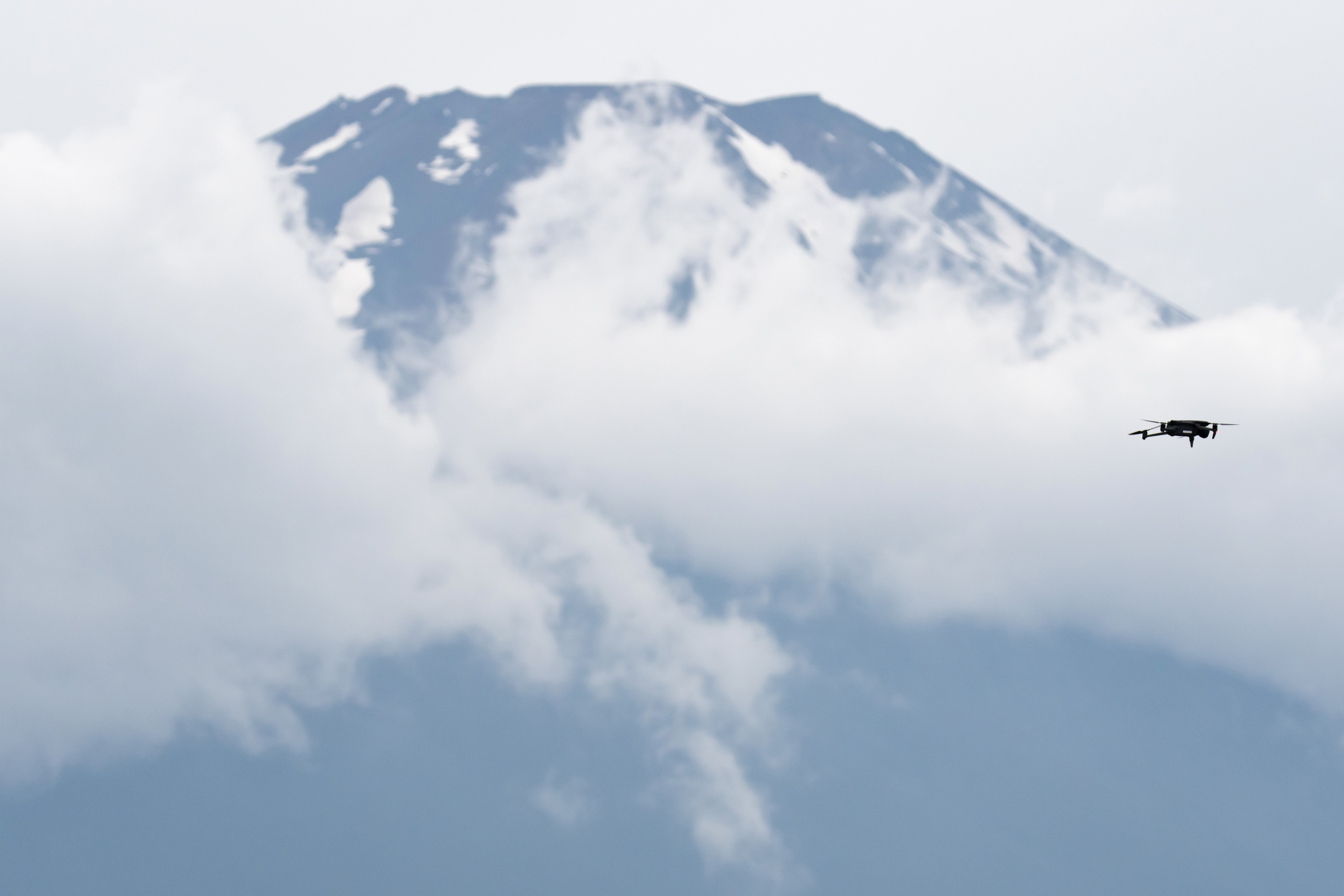
Japan is accelerating plans to acquire and develop military unmanned aerial vehicles. The country is increasing cooperation with Kyiv and studying its battlefield experience following Russia’s full-scale invasion of Ukraine.
Faced with severe military personnel shortages, Tokyo currently produces approximately 1,000 military-grade drones annually but intends to significantly scale up these figures. To boost its maritime defenses, the Japanese government has also allocated 100 billion yen ($618 million) for the 2026 fiscal year to build an unmanned ocean vessel fleet designed to protect remote islands, according to the South China Morning Post on June 30.
We bring you stories from the ground. Your support keeps our team in the field.
The core of Tokyo's initiative is the upcoming launch of the Japan-Ukraine Drone Cluster. This industrial partnership will bring together Japanese manufacturers, Ukrainian defense firms, universities, and research centers to focus on manufacturing drones for both military operations and civilian needs, such as disaster relief and coastal monitoring.
Domestic defense analysts highlight a major shift in global military strategy. Masayuki Masuda, the director of China studies at the National Institute for Defense Studies under the Ministry of Defense of Japan, explained that the strategic value of unmanned technology has become undeniable.
"The entire international community has witnessed how the conduct of warfare has changed since the beginning of the war in Ukraine, and Japan, like other countries, is now very focused on developing drones that will take part in most of the combat operations on the future battlefield," Masuda said.
"Comparing the relative strengths of Russia and Ukraine at the beginning of the war, it becomes clear that Ukraine has achieved very good results, and a significant part of this is related to drones," he added.
According to Masuda, Tokyo recognizes that mass production is just as critical as technological sophistication, planning to leverage its network of smaller domestic firms.
"In this field, quantity is just as important as quality, but in Japan, there are many small companies that could very quickly produce a large number of cheap drones in large quantities if they are needed," Masuda said.
International relations experts view the cooperation between Tokyo and Kyiv as a highly practical arrangement. James Brown, a professor of international relations at Temple University in Tokyo, noted that Ukraine's highly developed defense manufacturing sector makes it an ideal partner for a nation with extensive maritime borders.
"Japan is a maritime country that faces mostly maritime and air threats, but it can obviously learn a lot from Ukraine," Brown said.
"And Ukraine is ready to help, which is great, considering that one would think they would need all the equipment they can get to fight the Russians. Now they clearly have sufficient capacity to start exporting it," Brown stated.
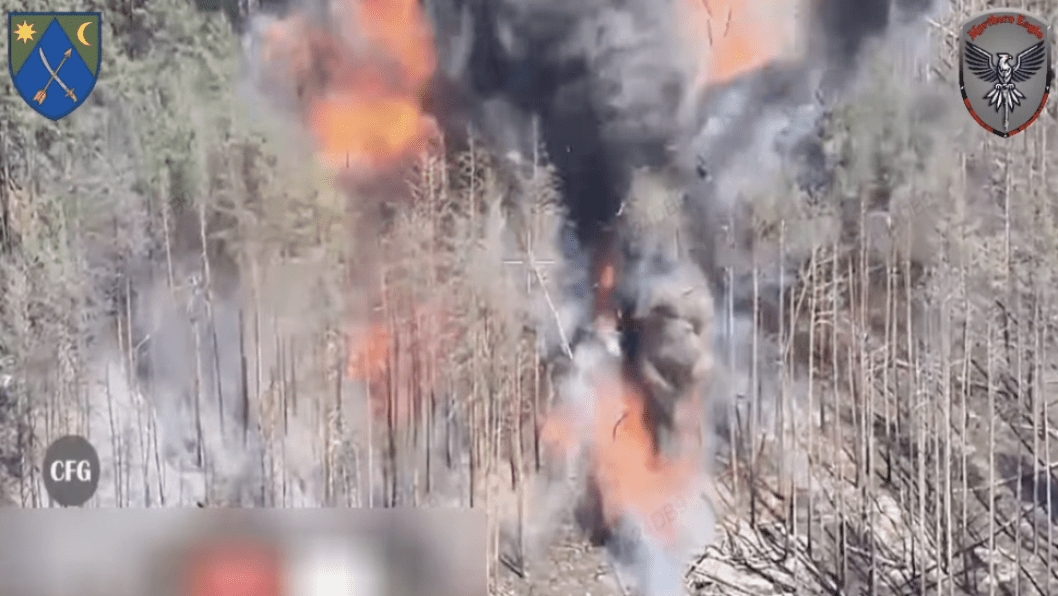
This expanding defense partnership has drawn opposition from Moscow. In April, Russia filed a formal diplomatic protest after Tokyo-based company Terra Drone established a strategic business alliance with the Ukrainian firm Amazing Drones, which designs interceptor UAVs. The Japanese government rejected the complaint, which Moscow called a hostile act.
Simultaneously, Japanese corporations are expanding their defense ties with European manufacturers. Airbus recently signed a memorandum of understanding with Kawasaki Heavy Industries to develop unmanned platforms for anti-submarine warfare based on the U950 Eurodrone design, which features a 26-meter wingspan and a top speed of 500 km/h.
"Eurodrone is ideally suited for countries like Japan that need to monitor large maritime areas," Airbus stated.
"Eurodrone has a very long flight duration and can carry much more payload, including sonar buoys and torpedoes for anti-submarine warfare. Thanks to Eurodrone, Japan could supplement its current manned fleet of anti-submarine assets with a very effective unmanned platform and strengthen its maritime security in a sovereign and sustainable manner," the company added.
Earlier, reports emerged that Japan’s Terra Drone was considering joint production of Ukrainian-developed drones on its own territory, as part of a broader defense-tech partnership with Kyiv.
Discuss this article:
-9a7b3a98ed5c506e0b77a6663f5727c5.png)