- Category
- Defense Tech
Russia Is Racing to Make Geran-5 Too Fast for Ukraine’s Drone Interceptors—But There’s a Catch
 Prefer U24 Media on Google
- Authors


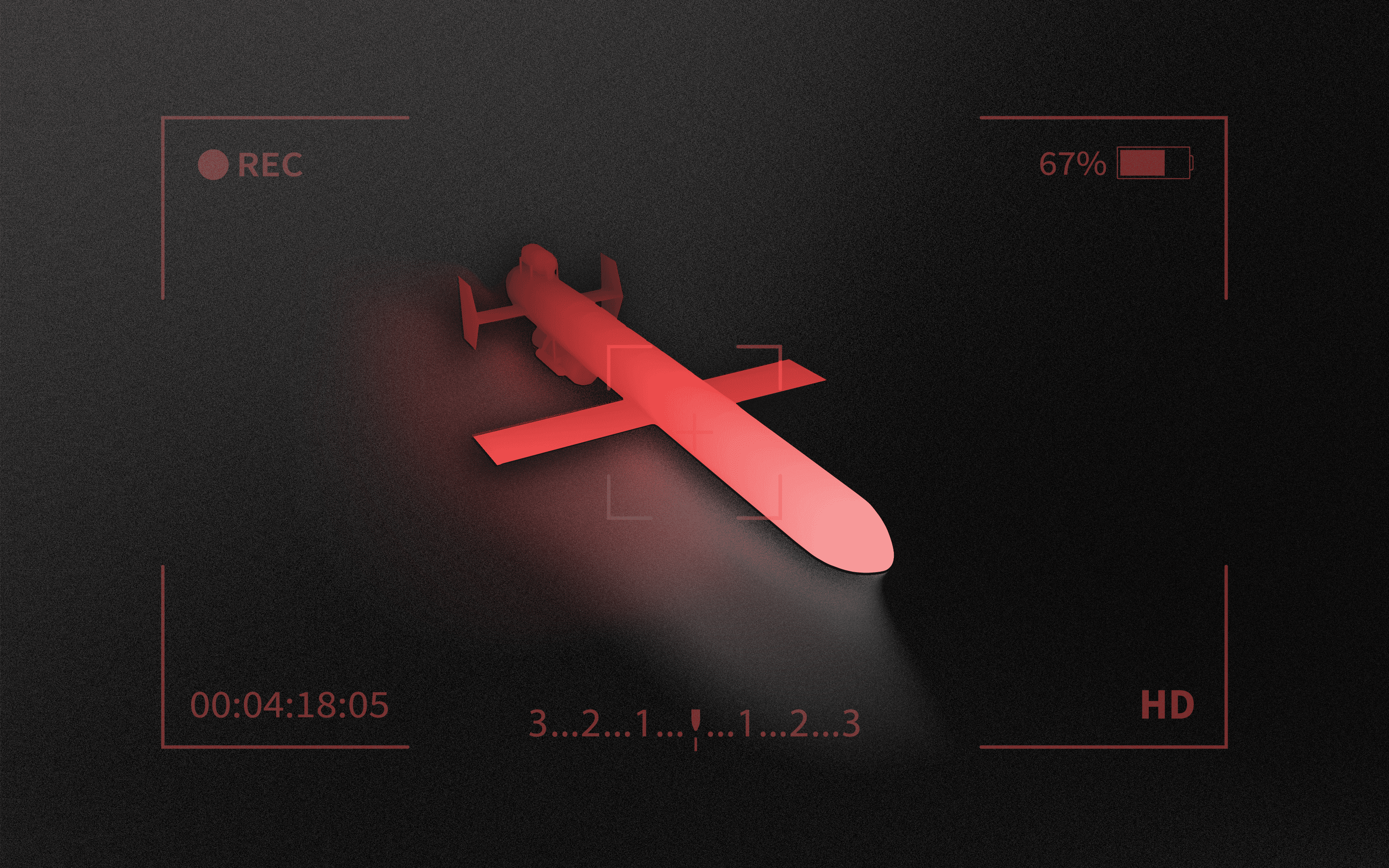
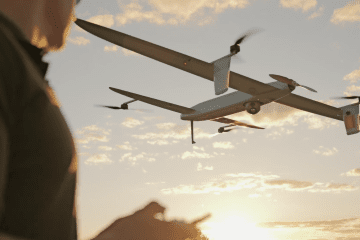
Russia appears to be redesigning its Geran-5 jet-powered drone in an attempt to push it beyond 600–700 kilometers per hour and out of reach of Ukraine’s increasingly effective low-cost interceptors, according to Ukrainian aviation expert Anatolii Khrapchynskyi, cited by RBC-Ukraine on October 1.
Recent imagery of newer Geran-5 variants shows a major change: the small turbojet engine, previously mounted openly on a pylon above the fuselage, is being moved inside the rear of the aircraft.
We bring you stories from the ground. Your support keeps our team in the field.
It may look like a relatively simple redesign, but Khrapchynskyi argues the change reveals a much bigger objective: speed.
Earlier versions used a small Chinese Telefly turbojet mounted above the airframe. That configuration was workable at roughly 350–400 kilometers per hour, but trying to push significantly faster created serious aerodynamic penalties.
Another video has been published showing a Russian Geran-5 jet-powered drone being destroyed by a jet-powered interceptor drone.
— Special Kherson Cat 🐈🇺🇦 (@bayraktar_1love) September 19, 2026
In total, three Geran-5 interceptions were shown today:
• 2 by unnamed jet-powered interceptor drones
• 1 by the new STING S interceptor drone https://t.co/vtgh2045Un pic.twitter.com/KQgtUm8L69
An exposed engine and pylon effectively become an aerodynamic brake as speed increases. The high-mounted engine also places the thrust line above the drone’s center of mass, continually pitching the nose downward and forcing the flight-control system to compensate.
That means the drone effectively creates additional drag just by keeping itself level.
Moving the engine into the fuselage addresses both problems. The thrust line can be brought closer to the aircraft’s centerline, the external pylon disappears, and the control surfaces no longer have to work as hard to maintain stable flight.
The payoff could be a significantly faster Geran-5. But speed comes at a cost.
This is now the sixth publicly shown interception of a Russian Geran-5 by a Ukrainian drone interceptor.
— Special Kherson Cat 🐈🇺🇦 (@bayraktar_1love) September 28, 2026
The interceptor remains unnamed, but judging by its interface it appears to be different from the three models shown previously. If so, this would make it the fourth… https://t.co/uNrbUK4FQb pic.twitter.com/Tiy2ONquu6
An internal engine bay, air ducts and thermal protection all consume space that could otherwise hold fuel. For a thirsty turbojet, that means potentially sacrificing a substantial amount of range.
Heat creates another engineering problem. Exhaust temperatures can approach 700 degrees Celsius, requiring metal shielding, insulation and airflow systems to prevent the composite fuselage from being damaged.
All of that makes the aircraft heavier, more expensive and harder to manufacture. And Ukraine’s interceptors may be the reason Russia is accepting those compromises.
-206fe4a4a8ec2b475c4abe18fe578683.png)
Khrapchynskyi pointed to footage showing Ukrainian high-speed quadcopter interceptors from Wild Hornets pursuing jet-powered Russian drones from the rear.
Early combat results, he said, have demonstrated that targets traveling around 400–450 kilometers per hour can already be successfully hunted by this class of relatively inexpensive interceptor.
That threatens to undermine one of Russia’s key advantages with jet-powered drones.
Ukraine is not yet destroying them systematically at scale, and interceptor production is still expanding. But if inexpensive drones can reliably destroy Russian jet-powered targets traveling below 500 kilometers per hour, Moscow faces the prospect of losing costly weapons to a much cheaper defensive layer.

Khrapchynskyi believes Russia is therefore trying to push Geran-5 into the 700–800 km/h range before Ukrainian interceptors become widespread.
An interceptor attempting a pursuit could need speeds approaching or exceeding 900 kilometers per hour, requiring completely different aerodynamics, more powerful—and more expensive—jet engines, and extremely fast optical guidance capable of processing and reacting within milliseconds.
Earlier, reports emerged that Russian forces have reportedly begun using a new version of the Geran-5 attack drone equipped with an optical navigation system that allows it to navigate using reference images of terrain.
Discuss this article:
-9a7b3a98ed5c506e0b77a6663f5727c5.png)

-c439b7bd9030ecf9d5a4287dc361ba31.jpg "Photo of Katherina Popilnichenko")
-111f0e5095e02c02446ffed57bfb0ab1.jpeg "Photo of Roman Kohanets")